UK Survey Finds Dads Overwhelmed by Smart Home Devices, Prompting New Detergent Launch

Companies Mentioned
Why It Matters
The findings highlight a hidden cost of the smart‑home boom: the mental load placed on parents, especially fathers, who are often the primary troubleshooters for household technology. As smart appliances proliferate, the need for products that integrate seamlessly with these systems becomes critical to prevent burnout and maintain the promised quality‑of‑life gains. By addressing the pain point with a detergent that automates dosing, Persil and Comfort are testing a new model where consumables carry the intelligence traditionally reserved for hardware. If the approach succeeds, it could reshape how manufacturers think about product design for connected homes, prompting a wave of ‘smart‑compatible’ everyday items that alleviate, rather than add to, parental stress.
Key Takeaways
- •70% of UK smart‑device owners report feeling overwhelmed, with fathers citing the highest stress levels.
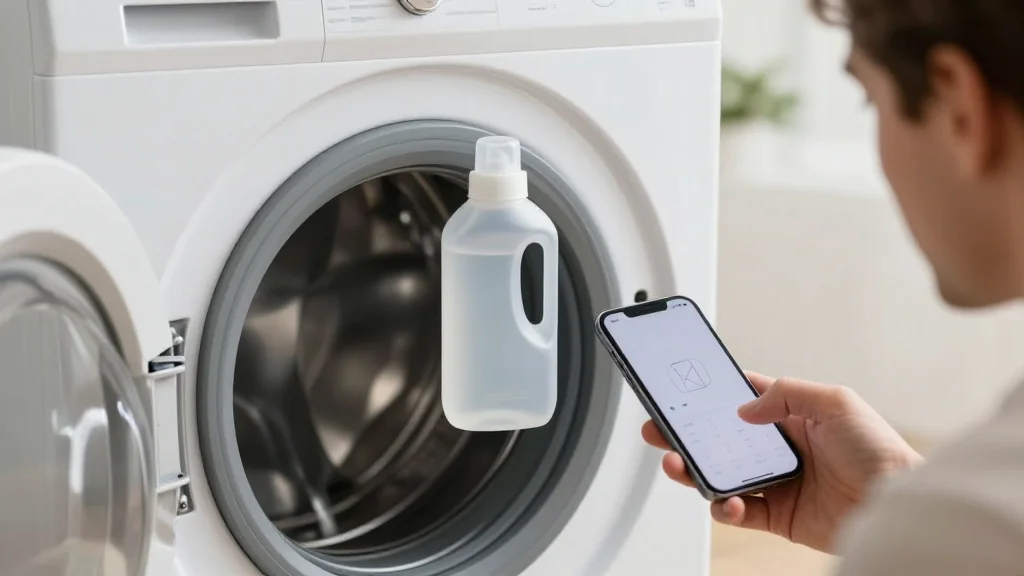
- •Persil and Comfort launch Smart Series®, a detergent line engineered for auto‑dose washing machines.
- •The product uses PRO‑CISION Technology® for precise dosing and is co‑developed with Samsung.
- •Smart Series® test‑launch begins 19 March 2026, available at smartseries.com.
- •Survey labels affected parents as the ‘Tech Sandwich Generation,’ highlighting a new mental‑load challenge for families.
Pulse Analysis
The UK smart‑home survey uncovers a paradox: the very technology marketed to simplify daily chores is creating a new layer of cognitive labor, particularly for fathers who often act as the household’s technical liaison. This mirrors earlier findings in the U.S. where the ‘always‑on’ expectation of connected devices has been linked to increased stress among working parents. Persil and Comfort’s decision to embed intelligence into a consumable product sidesteps the usual hardware‑centric solution, suggesting a strategic pivot toward ‘software‑as‑a‑service’ for everyday goods.
Historically, home‑care brands have focused on performance metrics like stain removal or fragrance longevity. By integrating AI‑driven dosing, Persil and Comfort are positioning themselves at the intersection of convenience and mental‑health support. If adoption rates mirror the 31% of consumers planning new smart purchases, the market could see a rapid expansion of similar smart‑compatible consumables—think coffee pods that calibrate brew strength based on machine data or cleaning sprays that adjust dosage for IoT‑enabled surfaces.
Looking ahead, the success of Smart Series® could pressure competing manufacturers to prioritize interoperability and user‑centric design over pure hardware innovation. Regulators may also take note, potentially drafting guidelines that require clear labeling of a product’s compatibility with major smart‑home ecosystems. For fathers, the outcome could be a tangible reduction in the invisible ‘tech‑parenting’ workload, allowing more bandwidth for caregiving and professional responsibilities. The upcoming post‑launch data will be a bellwether for whether this product‑first approach can truly mitigate the mental strain that has become a defining feature of modern parenthood.
UK Survey Finds Dads Overwhelmed by Smart Home Devices, Prompting New Detergent Launch
Comments
Want to join the conversation?
Loading comments...