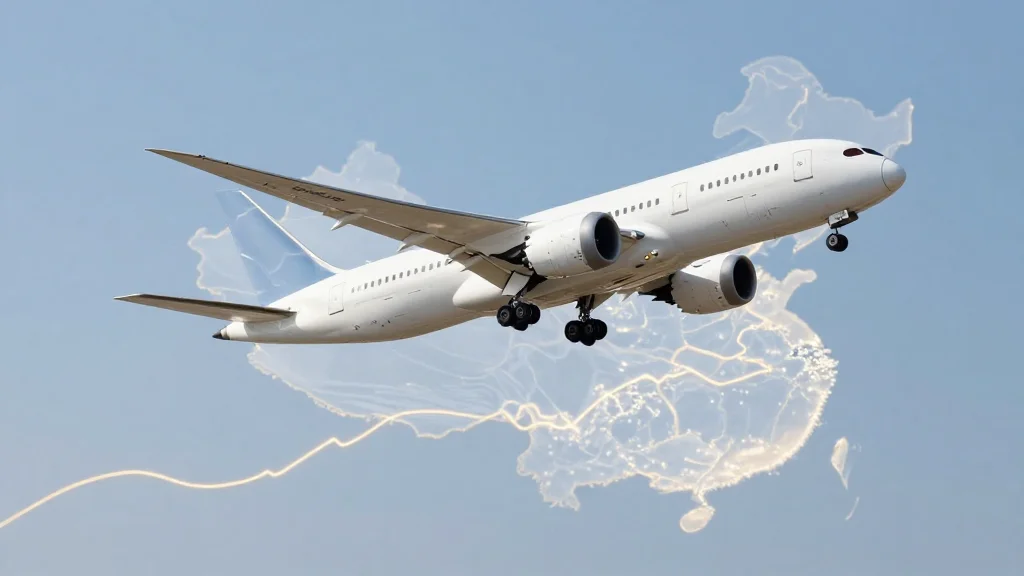
Boeing Lands 200‑plane China Order, Shares Tumble Nearly 5% as Investors Balk

Companies Mentioned
Why It Matters
The China order reopens a critical growth market for Boeing, offering a pipeline of potential future sales that could offset recent setbacks in the commercial segment. For investors, the episode illustrates how market expectations can outweigh headline‑making deals, prompting a reassessment of valuation models that factor in both confirmed orders and the likelihood of additional commitments. Beyond Boeing, the deal signals renewed geopolitical and commercial engagement between the United States and China in the aerospace sector, a space that has been largely dormant since 2017. The inclusion of GE Aerospace engines also underscores the interconnectedness of the U.S. aerospace supply chain, with ripple effects on employment and technology transfer.
Key Takeaways
- •Boeing secured a 200‑aircraft order from China, its first major sale to the market in nearly a decade.
- •Shares fell 4.73% on the announcement and an additional 1.38% in overnight trading.
- •Analysts at Jefferies had projected a 500‑plane deal, fueling the stock's disappointment.
- •The agreement includes an option for China to purchase up to 750 jets and 400‑450 GE Aerospace engines.
- •Boeing's commercial backlog remains at about 6,800 aircraft, supporting production for the next ten years.
Pulse Analysis
Boeing's China deal is a textbook case of expectations outpacing reality. The market had priced in a blockbuster order that would have dramatically reshaped the company's order book and potentially accelerated its recovery from a series of safety and financial setbacks. When the actual figure arrived at 200 jets—still sizable but far below the 500‑plane horizon—investors reacted swiftly, underscoring the premium placed on forward‑looking guidance in the aerospace sector.
Strategically, the deal re‑establishes a foothold in a market that once contributed a double‑digit percentage of Boeing's annual deliveries. The optionality for up to 750 additional aircraft gives Boeing a lever to negotiate future sales, but it also places the onus on the company to demonstrate product competitiveness against Airbus, which continues to dominate the Chinese market. The inclusion of GE Aerospace engines ties the deal to broader U.S. manufacturing interests, potentially insulating parts of the supply chain from geopolitical friction.
Looking forward, Boeing's ability to convert the optionality into firm orders will be a litmus test for its sales force and for the broader health of the commercial aviation market. If the company can leverage the initial 200‑plane win into a larger commitment, it could restore investor confidence and justify the lofty price targets set by analysts. Conversely, a failure to expand the deal may keep the stock in a volatility loop, as market participants weigh the company's long‑term prospects against lingering safety concerns and macro‑economic headwinds.
Boeing lands 200‑plane China order, shares tumble nearly 5% as investors balk
Comments
Want to join the conversation?
Loading comments...