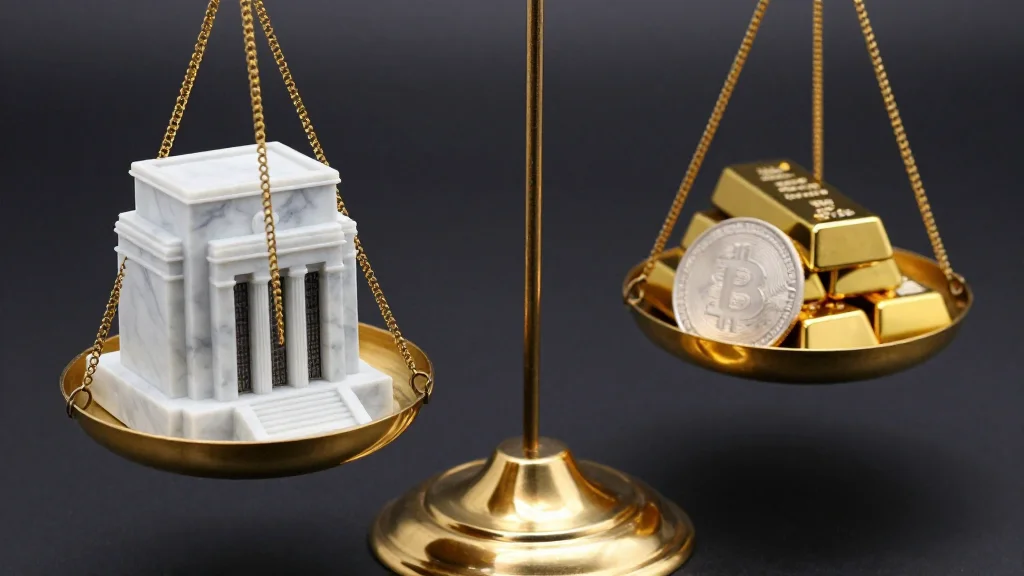
Kevin Warsh’s $190 Million Disclosure Raises Fed Independence Questions

Companies Mentioned

Why It Matters
The Federal Reserve’s credibility hinges on the perception that its leaders are insulated from personal financial incentives. Warsh’s massive asset base, especially his stakes in hedge funds and crypto ventures, creates a direct line of scrutiny that could undermine confidence in monetary policy decisions. If investors doubt the Fed’s independence, the cost of borrowing could rise, destabilizing equity markets that have thrived on low‑rate expectations. Beyond market mechanics, Warsh’s nomination spotlights a broader governance issue: how future central‑bank leaders will be vetted for conflicts of interest in an era of expanding private‑wealth portfolios. The outcome of his confirmation could set a precedent for stricter disclosure standards and more aggressive divestiture requirements, reshaping the candidate pool for top monetary‑policy posts.
Key Takeaways
- •Kevin Warsh disclosed at least $192 million in assets, making him the wealthiest Fed chair nominee to date.
- •His holdings include $100 million+ in Duquesne‑run funds, $10.2 million consulting fees from Stanley Druckenmiller’s family office, and undisclosed crypto/AI stakes.
- •Warsh pledged to divest from conflict‑prone assets and recuse himself from matters affecting Estée Lauder.
- •Critics argue his past FOMC voting record favors price stability over employment, clashing with Trump’s push for sub‑1% rates.
- •The Senate confirmation hearing next week will test whether Warsh can separate personal wealth from policy decisions.
Pulse Analysis
Warsh’s nomination arrives at a crossroads for the Fed: the institution must balance political pressure for ultra‑low rates against the long‑term mandate of price stability. Historically, chairs with substantial private‑sector wealth—Jerome Powell, for example—have faced heightened scrutiny, but Warsh’s portfolio is markedly larger and more entangled with speculative assets. This raises a structural risk: if the Fed’s policy is perceived as serving the interests of hedge‑fund managers or crypto entrepreneurs, market participants may demand higher risk premiums, eroding the low‑rate environment that has underpinned recent equity rallies.
The political dimension cannot be ignored. Trump’s administration has signaled a willingness to overhaul the Fed’s independence, echoing past attempts to politicize monetary policy. Warsh’s track record of favoring higher rates during the Great Recession suggests he may resist the president’s agenda, potentially leading to a protracted confirmation battle. Such a showdown could delay critical policy decisions at a time when inflationary pressures from supply‑chain disruptions remain sticky.
Looking ahead, the Warsh episode could catalyze reforms in the nomination process. Lawmakers may push for tighter conflict‑of‑interest rules, mandatory real‑time divestiture, or even a cap on personal wealth for future nominees. For investors, the key takeaway is vigilance: monitor not only the Fed’s policy statements but also the personal financial disclosures of its leaders, as those details increasingly shape market expectations and risk assessments.
Kevin Warsh’s $190 Million Disclosure Raises Fed Independence Questions
Comments
Want to join the conversation?
Loading comments...