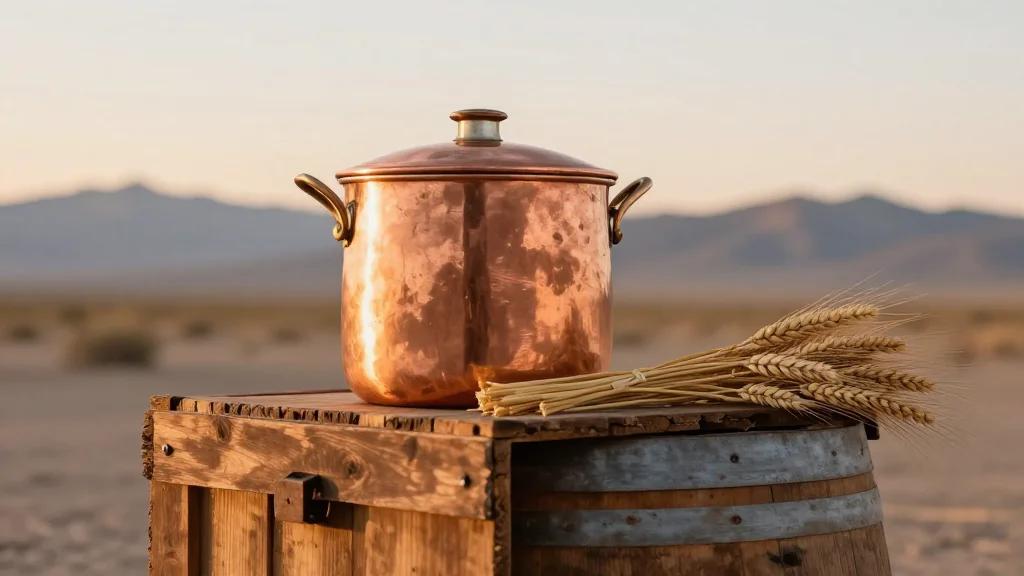
7 Things You Should Know About Frey Ranch, Nevada’s Farm-to-Glass Distillery
Key Takeaways
- •Frey Ranch grew on Nevada land since 1854, distillery launched 2006
- •First whiskey hit shelves in late 2019 after 13‑year development
- •100% of grains, malting, distilling, bottling done on‑site
- •Straight Rye Whiskey uses 100% single‑grain rye mash bill
- •Seven‑year crop rotation and snowmelt water cut electricity use
Pulse Analysis
The farm‑to‑glass movement, once limited to restaurants, is now reshaping the spirits industry, and Frey Ranch stands at its forefront. Leveraging a 170‑year farming legacy, the Frey family transformed a 2,500‑acre Nevada ranch into a vertically integrated distillery, eliminating third‑party grain sourcing and giving the brand full control over flavor provenance. This model mirrors broader consumer demand for traceable, locally sourced products, positioning Frey Ranch as a case study in how heritage agriculture can be repurposed for premium alcohol production.
Sustainability is woven into every step of Frey Ranch’s operation. A seven‑year crop‑rotation schedule intersperses alfalfa with barley, corn, rye and wheat, enriching soil carbon and nitrogen levels, which translates into richer grain profiles and lower fertilizer inputs. The distillery also taps Sierra Nevada snowmelt for flood‑irrigation and still‑cooling, dramatically reducing electricity consumption. These practices not only lower the carbon footprint but also reinforce the brand narrative of stewardship, resonating with eco‑conscious consumers and differentiating the whiskey in a crowded market.
Market reception validates the strategy: the brand’s 2023 VinePair Spirits Brand of the Year award and growing buzz among whiskey enthusiasts highlight the commercial viability of hyper‑local production. As larger distillers explore similar vertical integrations, Frey Ranch’s early‑mover advantage could translate into expanded distribution and premium pricing power. However, scaling such a model poses challenges, including land constraints and regulatory hurdles. Nonetheless, the success of Frey Ranch suggests that terroir‑driven, sustainable whiskey can thrive, encouraging other producers to reconsider the value of owning the entire supply chain.
7 Things You Should Know About Frey Ranch, Nevada’s Farm-to-Glass Distillery
Comments
Want to join the conversation?