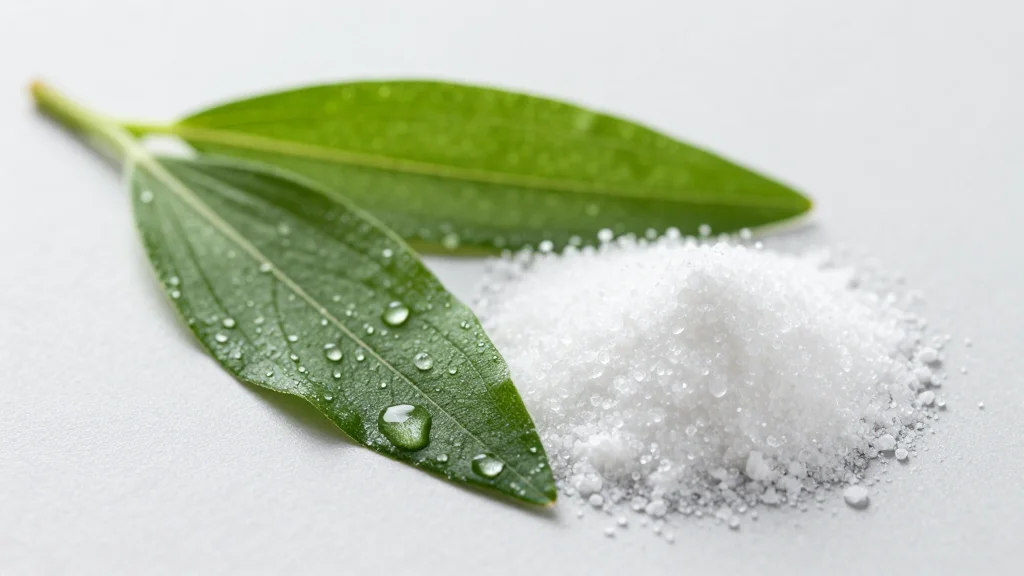
Artificial Sweeteners: Risks Vs. Benefits?
Key Takeaways
- •FDA deems artificial sweeteners safe within established Acceptable Daily Intakes
- •Brands pursue low‑sugar reformulations using sweet proteins and novel sweeteners
- •New studies link some sweeteners to cognitive decline and liver disease
- •Erythritol may disrupt blood‑brain barrier, raising stroke risk concerns
- •Experts advise limiting sweetener use and focusing on whole‑food diets
Pulse Analysis
The U.S. Food and Drug Administration continues to endorse artificial sweeteners, citing Acceptable Daily Intake (ADI) thresholds that dwarf real‑world consumption. These limits, set for compounds such as aspartame, sucralose and erythritol, are designed to provide a wide safety margin, reassuring manufacturers and retailers that low‑calorie sweeteners can remain on shelves. Yet the FDA’s stance does not silence public skepticism, especially as nutrition‑focused consumers scrutinize ingredient lists for any sign of ultra‑processed additives.
Meanwhile, the food industry is racing to replace sugar with next‑generation sweeteners that promise clean‑label appeal and taste parity. Sweet proteins like brazzein and monellin, along with novel sugar‑reduction technologies, enable brands to cut sugar without compromising flavor, supporting the broader trend toward healthier, lower‑calorie products. This innovation wave is driven by both regulatory clarity and consumer demand for transparent, lower‑sugar options, positioning sweetener‑free or reduced‑sweetener formulations as a growth frontier for beverage and snack manufacturers.
Scientific scrutiny, however, is intensifying. Recent epidemiological studies associate certain artificial sweeteners with modest increases in cognitive decline and non‑alcoholic fatty liver disease, while laboratory work suggests erythritol may impair the blood‑brain barrier, potentially elevating stroke risk. Although causality remains unsettled, these findings have prompted health professionals to counsel moderation and prioritize whole‑food diets. Companies that proactively address these concerns—through transparent labeling, reduced sweetener concentrations, or alternative natural sweeteners—are likely to preserve consumer confidence and mitigate regulatory risk.
Artificial sweeteners: risks vs. benefits?
Comments
Want to join the conversation?