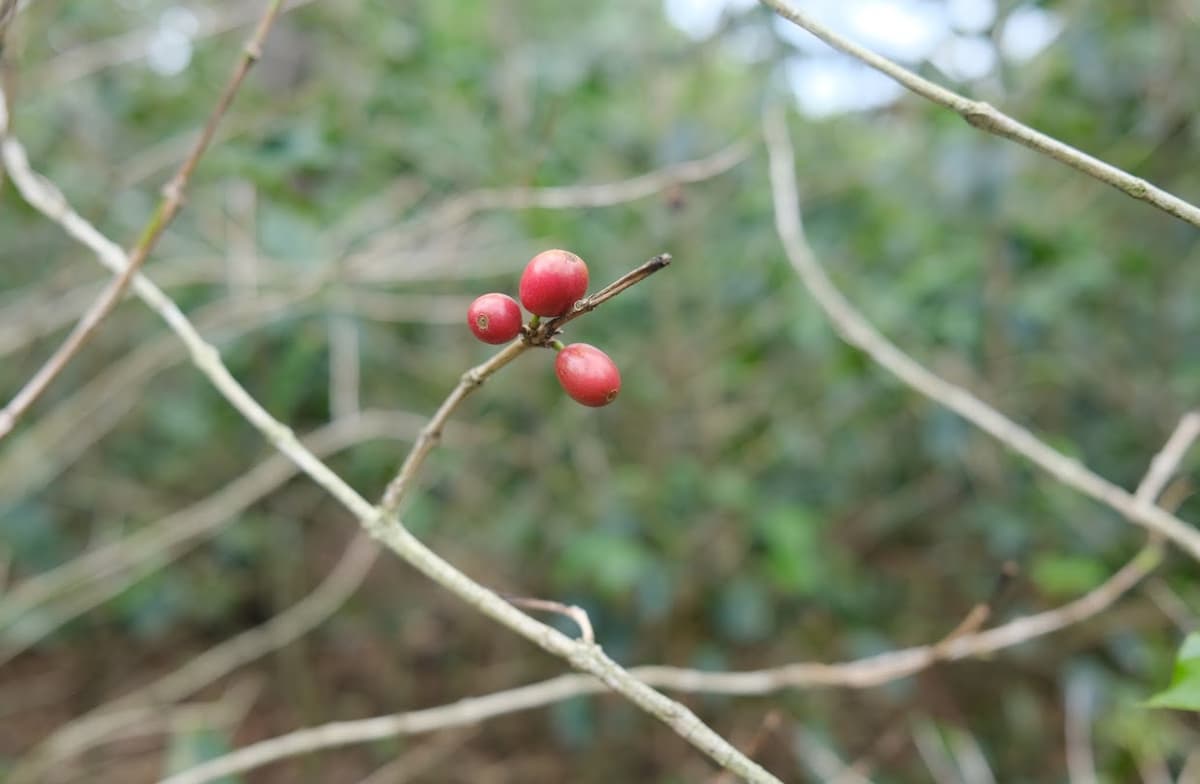
Coffee Crops Are Dying From a Fungus with Species-Jumping Genes
Key Takeaways
- •Coffee wilt disease costs >$1 billion since 1990s.
- •Horizontal gene transfer from Fusarium oxysporum fuels new virulence.
- •“Starship” mobile elements enable rapid fungal adaptation.
- •Monoculture coffee farms increase pathogen spread and evolution.
- •Testing neighboring crops can help prevent future coffee outbreaks.
Pulse Analysis
Coffee wilt disease, caused by the fungus Fusarium xylarioides, has resurfaced across Africa, Asia and the Americas, eroding yields and prompting farm closures. Since the 1990s the disease has inflicted more than $1 billion in losses, underscoring coffee’s vulnerability despite its status as a global commodity. Historical outbreaks have repeatedly shifted between arabica and robusta varieties, a pattern that puzzled agronomists until recent genomic work revealed the pathogen’s capacity for rapid genetic innovation.
In a breakthrough study, scientists resurrected archival fungal strains and sequenced multiple genomes, uncovering extensive horizontal gene transfer from the broader‑host pathogen Fusarium oxysporum. The transfer included large mobile DNA blocks known as “Starships,” which ferry effector genes that boost virulence and host specificity. This mechanism explains how F. xylarioides swiftly adapted to new coffee species, turning a once‑contained threat into a continent‑wide menace. The discovery adds a new dimension to plant pathology, highlighting that cross‑species gene flow can accelerate disease cycles far beyond traditional mutation rates.
The research also spotlights agricultural practices that unintentionally nurture such evolution. Monoculture coffee plantations, often interplanted with banana and Solanum weeds, create dense reservoirs where Fusarium species mingle, facilitating gene exchange. By monitoring and managing these neighboring crops, farmers can disrupt the pathogen’s genetic pipeline and reduce outbreak risk. Policymakers and agribusinesses should invest in diversified planting schemes, robust surveillance, and breeding programs that anticipate horizontal gene transfer, ensuring coffee’s resilience in a changing climate.
Coffee Crops Are Dying from a Fungus with Species-Jumping Genes
Comments
Want to join the conversation?