Key Takeaways
- •Supreme Court hearing *Monsanto v. Durnell* could shield Roundup from lawsuits
- •Senator Cory Booker urges Court to let Roundup cancer suits proceed
- •Center for Food Safety filed brief opposing pesticide immunity
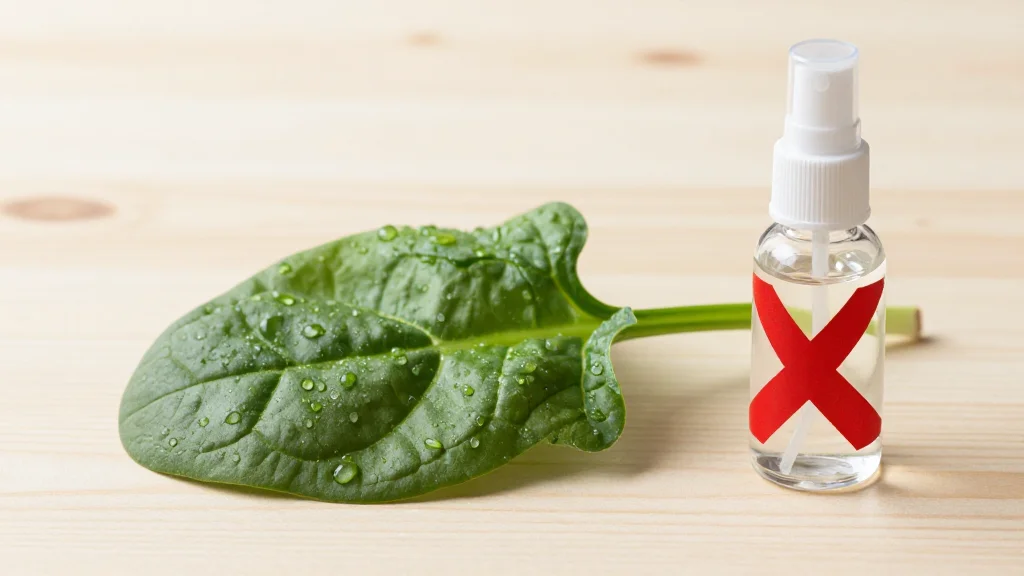
- •EWG’s Dirty Dozen lists spinach as highest pesticide‑residue produce
- •MAHA prioritizes eliminating agricultural chemicals despite industry resistance
Pulse Analysis
The push to purge pesticides from the American food supply has gained fresh momentum this spring. Make America Health Again (MAHA), a coalition of consumer‑health advocates, has placed the removal of synthetic agro‑chemicals at the top of its policy agenda, citing the Environmental Working Group’s annual “Dirty Dozen” list that again singled out spinach as the produce with the highest pesticide residue by weight. The report, which draws on USDA pesticide‑testing data, underscores a growing gap between consumer demand for cleaner foods and the entrenched practices of large‑scale agriculture.
The legal front is heating up with the Supreme Court’s *Monsanto v. Durnell* case, in which Bayer‑owned Monsanto seeks a ruling that would grant the company blanket immunity from future Roundup cancer lawsuits. Over the past decade, juries across the United States have awarded billions of dollars in damages to plaintiffs claiming the glyphosate‑based herbicide caused cancer. Senator Cory Booker has publicly asked the Court to allow those suits to proceed, while a coalition led by the Center for Food Safety filed an amicus brief warning that such immunity would erode public‑health safeguards and set a dangerous precedent for other pesticide manufacturers.
If the Court rejects Monsanto’s bid for immunity, the decision could trigger a wave of new litigation, prompting agro‑chemical firms to reassess product labeling, safety testing, and marketing strategies. Conversely, a ruling in favor of the company would likely embolden the industry to double down on existing formulations, intensifying pressure on regulators to relax oversight. Either outcome creates a clear signal for investors: companies that diversify into low‑pesticide or organic alternatives stand to benefit, while those reliant on conventional herbicides may face heightened liability risk and reputational damage. The stakes extend beyond the courtroom, shaping the future of food safety policy and consumer trust.
Current events in agricultural chemicals
Comments
Want to join the conversation?