It’s Never Good News for the Oompa Loompas
Key Takeaways
- •Hershey invests $250M to modernize supply chain, targeting $300M annual savings
- •Project aims to improve efficiency but hasn't restored Oompa Loompa jobs
- •Kate Weiser Chocolate closure eliminates additional Oompa Loompa positions
- •Oompa Loompas have faced recurring layoffs for over two decades
- •Industry consolidation threatens artisanal chocolate workforce stability
Pulse Analysis
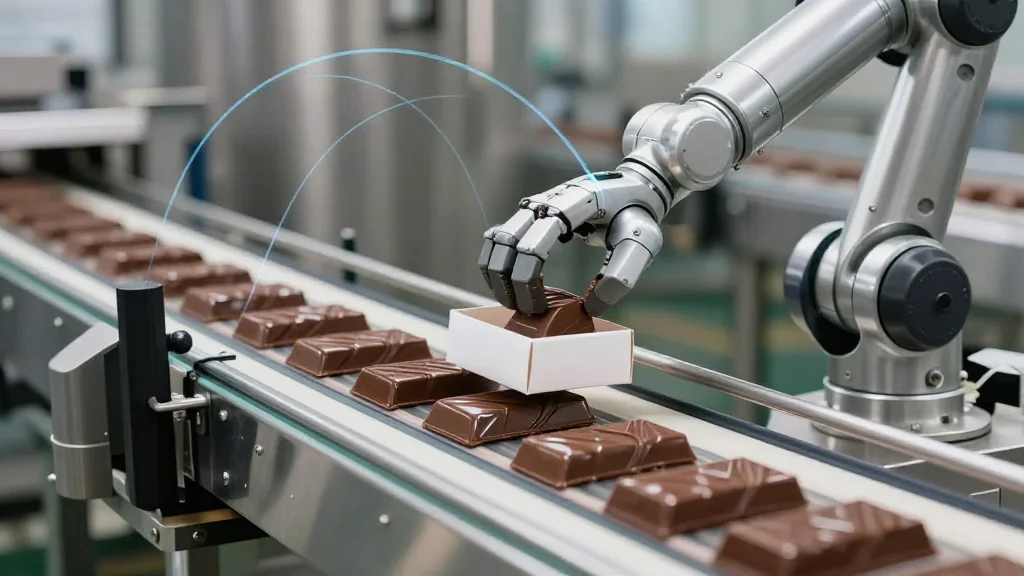
Hershey’s $250 million supply‑chain overhaul is part of a wave of digital transformation sweeping the confectionery sector. By deploying advanced analytics, robotics, and real‑time inventory tracking, the company projects $300 million in yearly cost reductions, a figure that would boost margins and fund new product development. While shareholders applaud the financial upside, the initiative underscores how large manufacturers are betting on technology to stay competitive in a market where raw‑material volatility and shifting consumer tastes demand agility.
The human side of this modernization, however, remains stark. The Oompa Loompas—long‑standing, low‑skill laborers in chocolate factories—have seen repeated layoffs since Hershey’s 2007 restructuring, and the recent shutdown of Kate Weiser Chocolate has stripped them of the few remaining artisanal positions. This pattern illustrates a broader industry challenge: automation can erode traditional roles faster than new jobs are created, especially in niche, craft‑focused segments where skill transfer is limited. The loss of Kate Weiser’s workforce also signals vulnerability for smaller chocolatiers that lack the capital to invest in technology.
For the sector, the juxtaposition of massive cost‑saving projects and persistent job losses raises questions about corporate responsibility and long‑term supply‑chain resilience. Companies may need to pair automation with reskilling programs, community partnerships, or phased workforce transitions to mitigate backlash and preserve brand equity. Policymakers and industry groups could also play a role by encouraging investment in training pipelines that align with emerging manufacturing technologies. Balancing efficiency gains with sustainable employment will be crucial for maintaining consumer trust and ensuring the chocolate industry’s growth remains inclusive.
It’s Never Good News for the Oompa Loompas
Comments
Want to join the conversation?