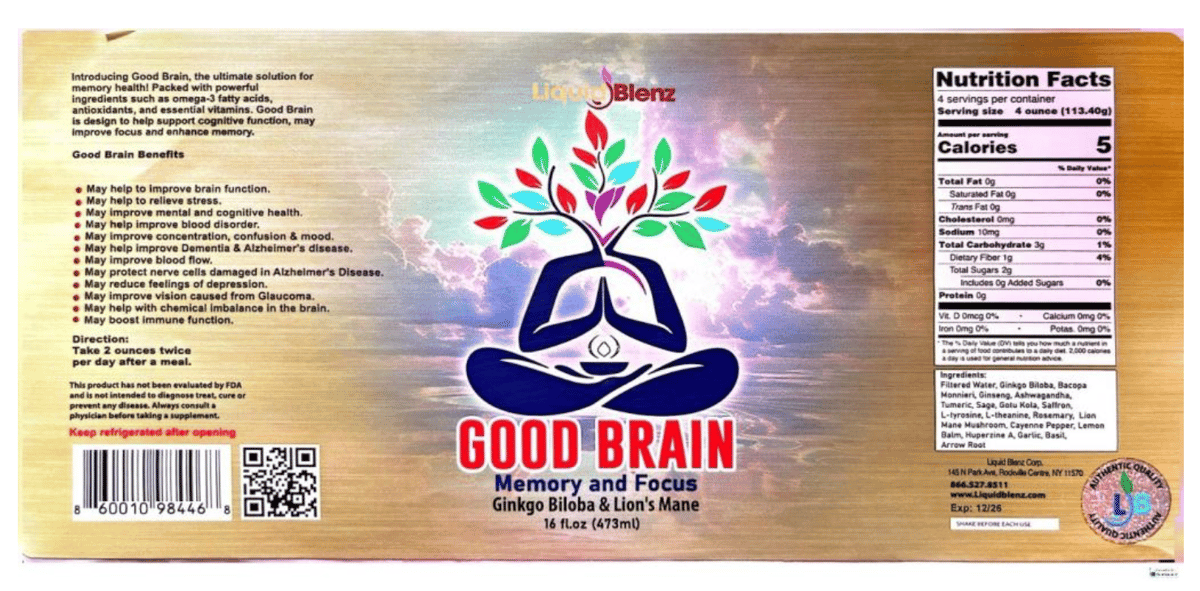
Liquid Supplement Recalled because of Botulism Risk
Key Takeaways
- •Good Brain Tonic recalled nationwide due to potential botulism contamination
- •Recall includes 16‑oz (UPC 860010984468) and 32‑oz (UPC 860010984475) bottles
- •Cornell Food Venture Center and NY State inspectors identified the risk
- •No reported illnesses, but symptoms can appear within 6‑36 hours
- •FDA has not disclosed the source of the contamination
Pulse Analysis
The dietary‑supplement maker Liquid Blenz Corp. announced a voluntary recall of its Good Brain Tonic after laboratory analysis flagged a potential for Clostridium botulinum contamination. The product, sold in 16‑ounce and 32‑ounce amber bottles, was distributed through national retailers and online channels. Cornell Food Venture Center’s testing, corroborated by New York State Department of Agriculture and Markets inspectors, triggered the recall before any cases of botulism were reported. While the FDA has not yet identified the contamination source, the swift action underscores the seriousness of food‑borne neurotoxin threats.
Botulism recalls, though rare, have a disproportionate impact on the nutraceutical market because the toxin can cause rapid paralysis and death even in minute quantities. Recent incidents—from contaminated protein powders to improperly sealed herbal extracts—have prompted tighter scrutiny from the Food and Drug Administration and state agencies. Manufacturers are increasingly adopting third‑party testing, hazard‑analysis critical control point (HACCP) plans, and blockchain traceability to demonstrate compliance. The Good Brain Tonic case highlights gaps in supply‑chain oversight, especially for small‑batch producers that may lack robust quality‑assurance infrastructure.
Consumers who purchased Good Brain Tonic should check the UPC codes (860010984468 for 16 oz, 860010984475 for 32 oz) and return the product for a full refund. Early medical evaluation is essential if symptoms such as double vision, slurred speech, or difficulty breathing appear within six hours to ten days after ingestion. For the industry, the recall serves as a cautionary signal: proactive testing and transparent communication can mitigate brand damage and preserve consumer trust. Going forward, regulators may push for mandatory botulism‑risk assessments across all liquid supplement categories.
Liquid supplement recalled because of botulism risk
Comments
Want to join the conversation?