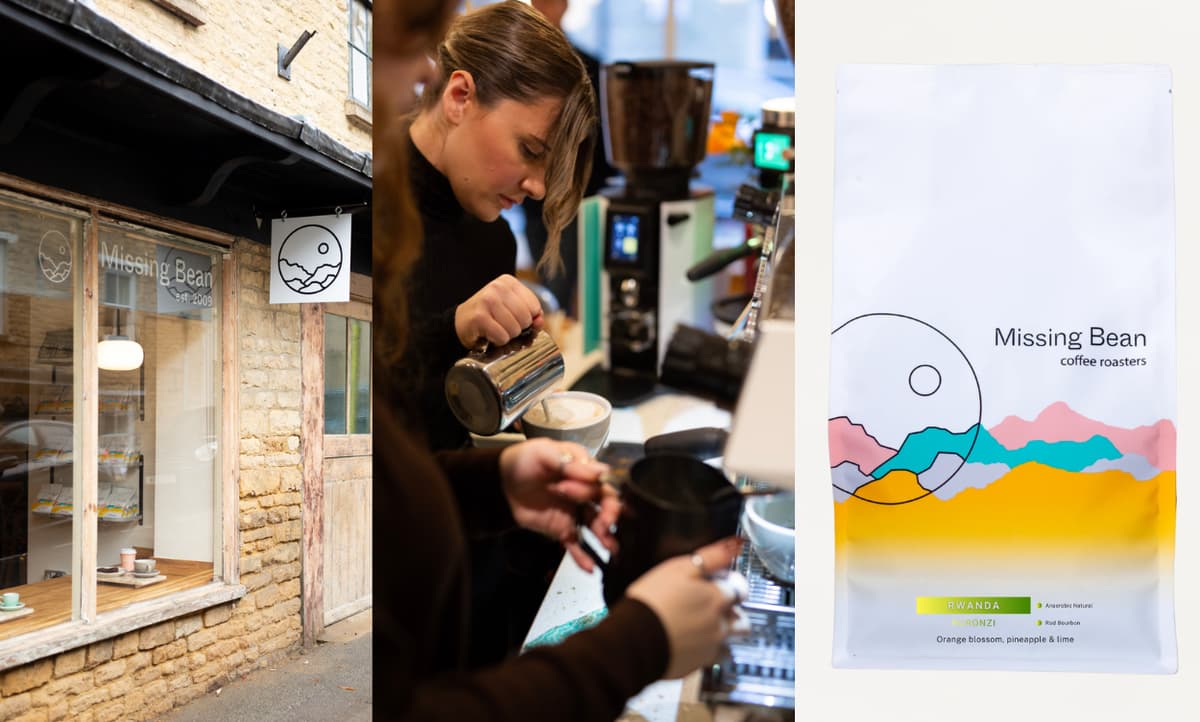
Missing Bean Coffee Roasters Unveils Trio of Ethically Sourced Spring Coffees From Rwanda, Ethiopia, and Peru
Key Takeaways
- •Missing Bean launches Rwanda, Ethiopia, Peru single-origin spring coffees
- •Prices range £10.50–£16.25 ($13–$21) for 250 g bags
- •Direct‑trade model ensures fair farmer payments across three continents
- •Peru’s Chilchos Valley coffee marks 13‑year partnership, remote cloud‑forest origin
- •Available online, in‑store, and via subscription across Oxfordshire
Pulse Analysis
The specialty coffee sector continues to outpace mainstream retail, driven by consumers who prioritize provenance, flavor complexity, and ethical practices. Independent roasters like Missing Bean have leveraged this shift, building brand loyalty through transparent sourcing and storytelling. By expanding from a single Oxford café to multiple locations and an online platform, the company exemplifies how niche players can scale without compromising their commitment to direct trade, a model that pays farmers premium prices and fosters long‑term relationships.
Missing Bean’s three spring releases illustrate the nuanced appeal of single‑origin coffees. The Rwandan Ruronzi beans, harvested from a three‑year‑old farm, offer bright citrus notes of orange blossom, pineapple and lime, ideal for filter methods. Ethiopia’s Banko Gotiti delivers a crisp, floral profile with lime and apricot, while the Peruvian Chilchos Valley coffee—sourced after a 12‑hour trek—brings blackberry, sultana and dark chocolate flavors suited to espresso and stovetop brewing. Pricing, converted to roughly $13‑$21 per 250‑gram bag, positions these offerings competitively within the premium segment, attracting both connoisseurs and casual drinkers seeking quality.
The launch also highlights the strategic role of subscription services in the coffee market. By offering one‑off purchases and recurring deliveries, Missing Bean taps into the convenience economy, ensuring steady cash flow and deeper customer engagement. For farmers, the direct‑trade framework guarantees fair compensation and incentivizes sustainable practices, reinforcing the brand’s ethical narrative. As more consumers demand traceability, roasters that combine compelling flavor stories with transparent supply chains are poised to capture market share and drive industry standards forward.
Missing Bean Coffee Roasters unveils trio of ethically sourced spring coffees from Rwanda, Ethiopia, and Peru
Comments
Want to join the conversation?