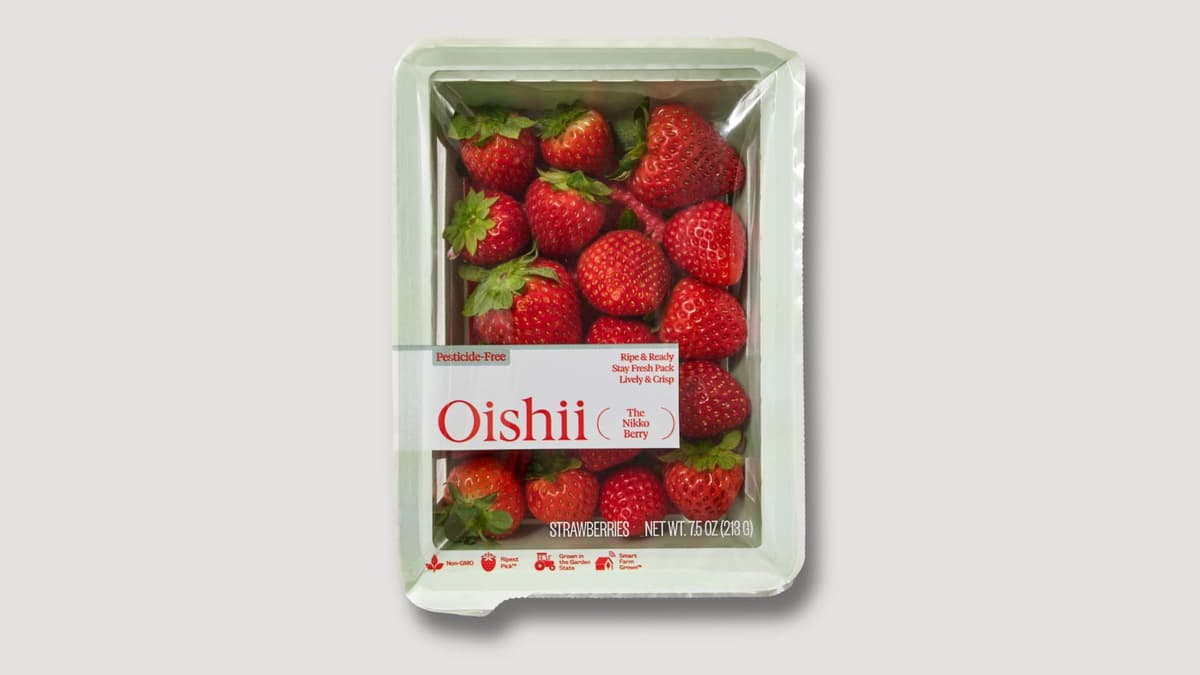
Oishii’s Nikko Berry Tray Is a Step Forward, But Is It Enough?
Key Takeaways
- •Oishii replaces plastic clamshell with 7.5 oz cardboard tray.
- •Nikko berry becomes Oishii’s most affordable, mass‑market strawberry.
- •Cardboard‑film combo cuts plastic use by estimated 80 %.
- •Sustainable packaging may boost retailer shelf appeal and sales.
- •Indoor vertical farms gain cost edge through packaging innovation.
Pulse Analysis
The fresh‑produce aisle has long been dominated by rigid plastic clamshells, a packaging format that accounts for roughly 30 % of single‑use plastic waste in grocery stores. Oishii’s latest Nikko Berry tray swaps that legacy design for a 7.5‑ounce cardboard base sealed with a thin biodegradable film, cutting estimated plastic volume by up to 80 %. By leveraging recyclable paperboard, the company aligns its premium indoor‑farmed strawberries with the growing consumer demand for circular packaging, positioning the brand as an early mover in a sector hungry for greener solutions.
Beyond environmental credentials, the cardboard tray offers tangible supply‑chain benefits. Paperboard is lighter than traditional clamshells, reducing pallet weight and shipping costs for distributors handling Oishii’s nationwide rollout of the Nikko variety. Retailers also gain flexibility: the flat‑pack format occupies less shelf‑space before assembly, and its recyclable nature simplifies in‑store waste management. For consumers, the tactile feel of a sturdy tray combined with a clear film window preserves freshness while signaling a premium yet responsible purchase, a mix that can translate into higher conversion rates at the point of sale.
Industry analysts see Oishii’s packaging shift as a bellwether for larger producers seeking to meet tightening regulations on single‑use plastics in the United States and Europe. If the Nikko tray proves cost‑neutral, it could catalyze a cascade of cardboard‑based solutions across berries, leafy greens, and pre‑cut fruit packs. The move also underscores the strategic advantage of vertical farms, which can control not only cultivation but also end‑to‑end packaging decisions. As sustainability becomes a core KPI for grocery chains, brands that couple innovative farming with eco‑friendly packaging are likely to capture a larger share of the premium produce market.
Oishii’s Nikko Berry Tray Is a Step Forward, But Is It Enough?
Comments
Want to join the conversation?