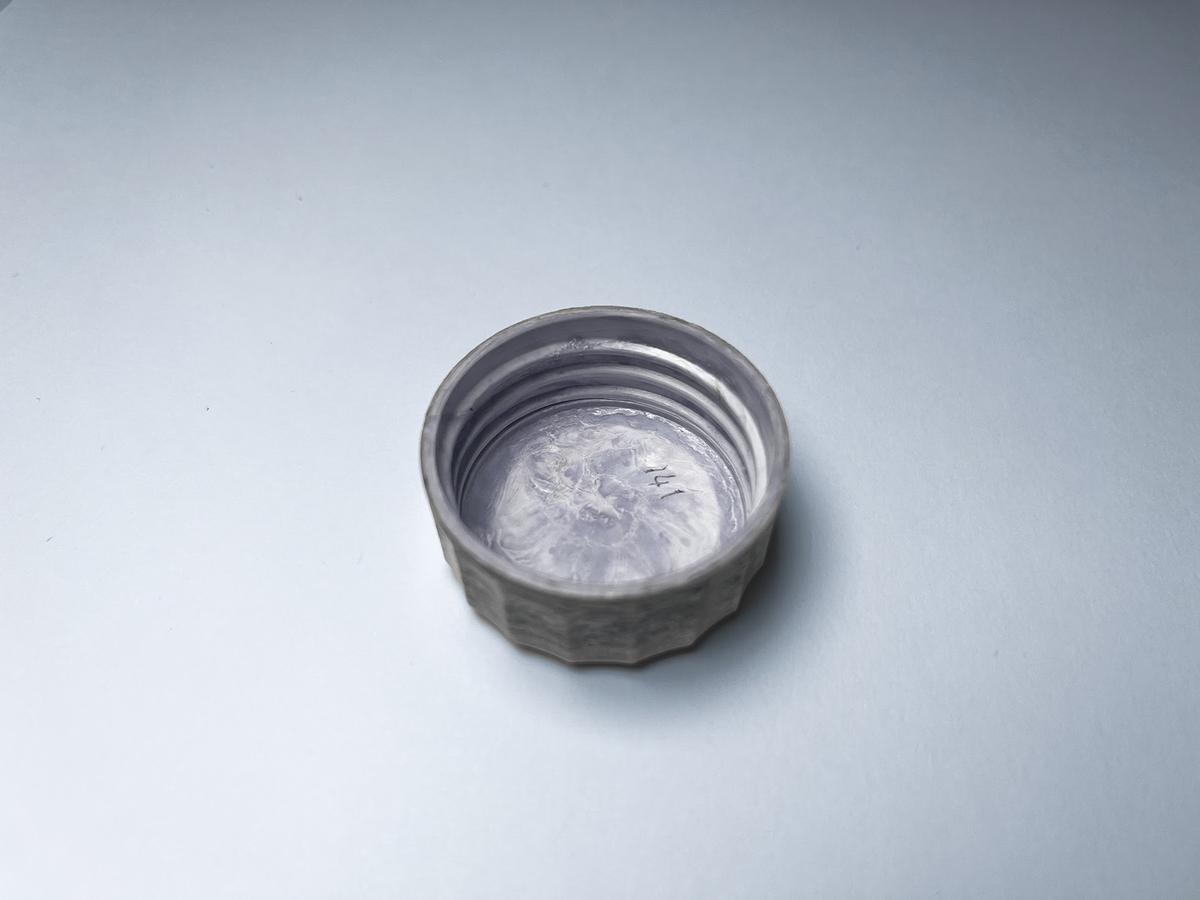
PulPac Develops Fiber-Based Molded Bottle Cap
Key Takeaways
- •PulPac's cap uses molded fiber instead of petroleum‑based plastic
- •Designed to integrate with PulPac's broader paper‑bottle system
- •Fiber caps lower carbon footprint versus metal or glass alternatives
- •Manufacturing relies on sustainable forestry, a renewable feedstock
- •Adoption could accelerate shift toward fully recyclable packaging
Pulse Analysis
The packaging industry is at a crossroads, with regulators, retailers, and consumers demanding greener solutions. While paper bottles have long been a concept, the missing piece has often been a functional, cost‑effective closure. PulPac’s fiber‑molded cap addresses that gap, offering a renewable alternative that sidesteps the environmental toll of mining for metal caps or the high‑energy processes required for glass. By tapping into established sustainable forestry supply chains, the company can source raw material that is both abundant and carbon‑neutral, aligning with broader corporate ESG goals.
From a technical standpoint, molded fiber caps are produced through a wet‑forming process that compresses cellulose fibers into a rigid shape, eliminating the need for petrochemical polymers. The resulting caps retain sufficient strength for carbonated beverages while being fully compostable or recyclable alongside paper streams. Compared with traditional plastic caps, these fiber caps avoid the degradation of material quality after multiple recycling cycles, ensuring consistent performance throughout their lifecycle. Early testing indicates comparable seal integrity and consumer usability, which are critical hurdles for any new packaging component.
Market implications are significant. Beverage brands seeking to differentiate on sustainability can now offer a truly paper‑to‑paper solution, potentially reducing packaging waste and meeting stricter landfill bans in regions like the European Union and several U.S. states. However, scaling production will require investment in new molding equipment and adjustments to existing bottling lines. If PulPac can achieve economies of scale, the cost differential with plastic caps may narrow, prompting broader adoption across the industry. Ultimately, the fiber cap could serve as a catalyst for a circular packaging ecosystem, driving innovation in both material science and supply‑chain logistics.
PulPac Develops Fiber-Based Molded Bottle Cap
Comments
Want to join the conversation?