Report Shows Shortcomings in Recall System
Key Takeaways
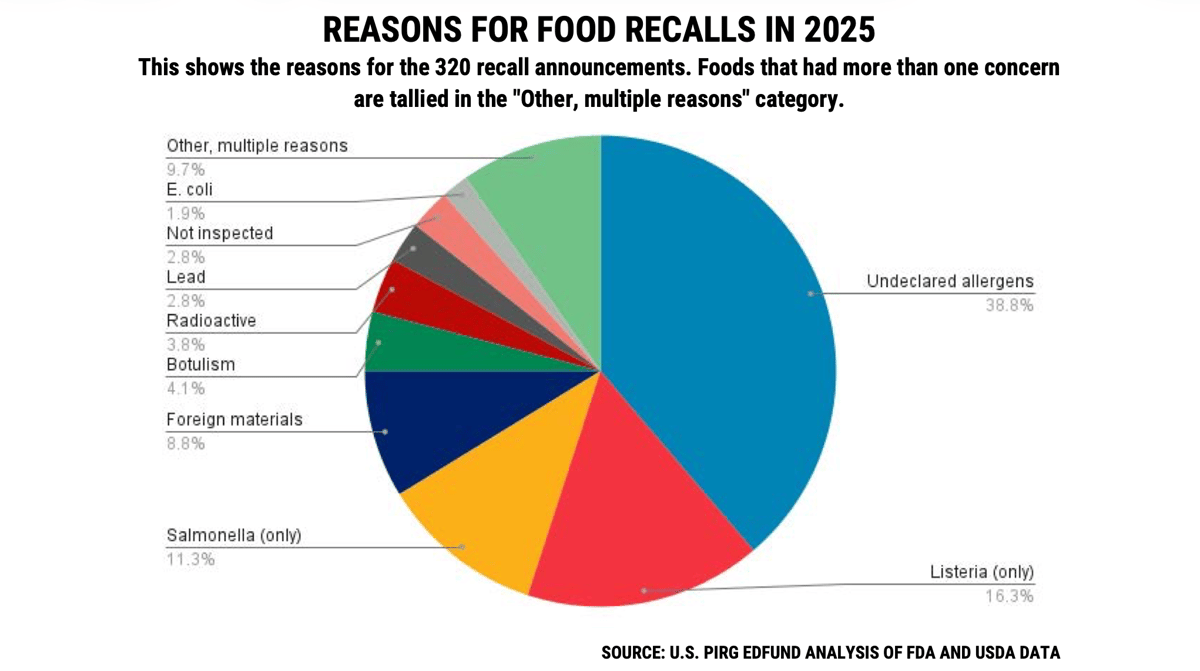
- •2025 saw about 320 food recalls, a decline from prior years.
- •First recall can lag outbreak by over a year, sometimes years.
- •FDA/USDA require only agency notification, not direct consumer alerts.
- •Foodborne illness imposes $75 billion annual cost, affecting 16% of Americans.
- •Traceability Rule delayed to July 2028, limiting early detection of contaminated products.
Pulse Analysis
The latest PIRG analysis reveals a troubling erosion of transparency in the United States’ food‑recall infrastructure. While roughly 320 recalls were logged in 2025, the report shows that many of these announcements arrive months—or even years—after the first illness is reported. High‑profile cases such as an infant‑formula botulism recall that took nearly two years and a frozen‑shake Listeria recall delayed over six years illustrate systemic inertia. Under current FDA and USDA protocols, manufacturers merely inform the agency and issue press releases, leaving a critical gap between detection and consumer awareness.
The public health ramifications are stark. The USDA estimates foodborne disease costs the nation about $75 billion annually in medical expenses, lost productivity, and premature deaths, while more than 16 percent of Americans experience an episode each year. Delayed notifications amplify these figures by extending exposure windows and complicating outbreak tracing. PIRG argues that manufacturers should be mandated to reach consumers directly—through email, text, or in‑store alerts—mirroring the marketing budgets they already allocate to promote their products. Such a shift could dramatically reduce hospitalizations and fatalities.
Regulatory momentum, however, has stalled. The FDA’s Traceability Rule, originally slated for implementation in 2024, has been pushed to July 2028 after a political reprioritization, postponing a key tool that would require detailed product lineage data. Without this framework, agencies lack the granular information needed for rapid, targeted recalls. Industry groups and consumer advocates are calling for interim measures, including mandatory consumer‑facing notifications and accelerated reporting timelines. Strengthening the recall chain now could set a precedent for the eventual rollout of full traceability, safeguarding the food supply before the 2028 deadline.
Report shows shortcomings in recall system
Comments
Want to join the conversation?