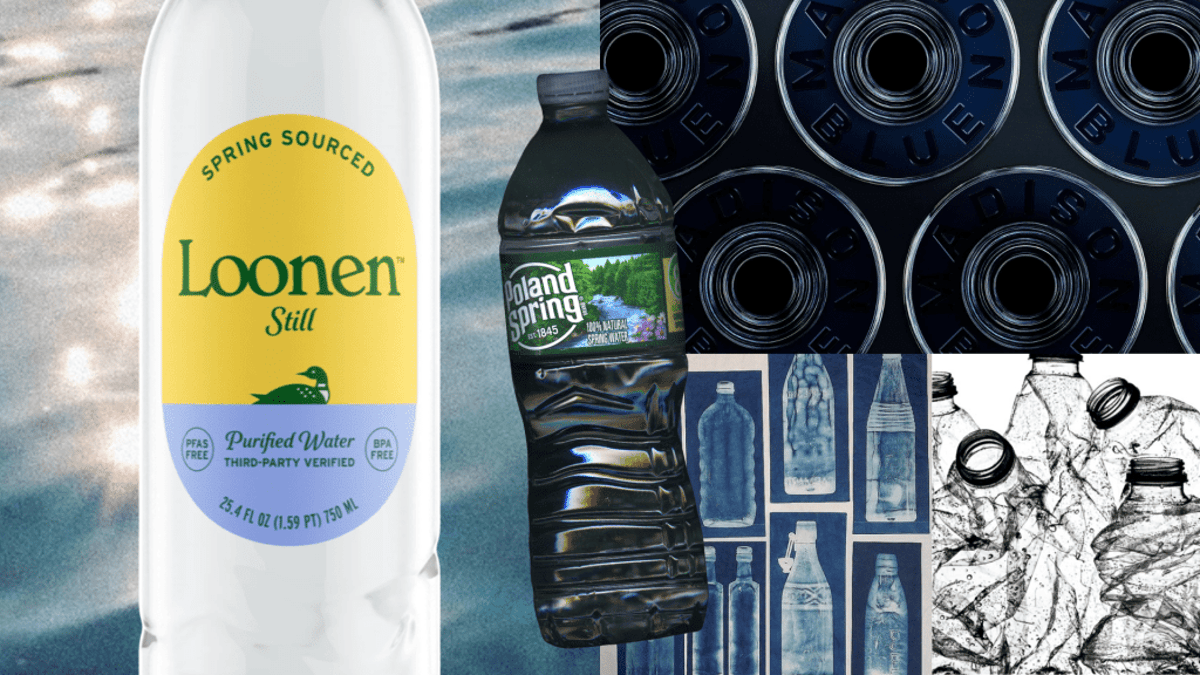
Shelf Life 108: Is Bottled Water Performative?
Key Takeaways
- •Bottled water serves as a status symbol in public settings
- •Consumers often choose brands to project eco‑friendly image
- •Production waste outweighs perceived convenience benefits
- •Brands leverage design to reinforce personal identity narratives
- •Shift toward refill stations challenges performative consumption patterns
Pulse Analysis
Bottled water has transcended its basic function of quenching thirst to become a cultural badge. From sleek designer bottles on conference tables to recognizable logos on gym counters, the product signals more than hydration—it broadcasts a curated self‑image. This performative consumption taps into a broader societal trend where everyday items are leveraged to convey values, status, or environmental awareness, even when the underlying utility is minimal. Marketers exploit this dynamic, crafting packaging and narratives that align with aspirational lifestyles, turning a simple bottle into a portable billboard.
The environmental cost of this identity‑driven habit is stark. Single‑use plastic bottles generate roughly 1.5 million tons of waste annually in the United States alone, dwarfing the modest convenience they offer. Brands respond by touting recycled materials or “green” sourcing, yet the visual appeal often masks the lifecycle emissions of production, transport, and disposal. Consumers, eager to appear eco‑conscious, may inadvertently perpetuate a cycle where the symbolic act of buying a premium bottle outweighs any real sustainability gain. This dissonance fuels criticism from environmental groups and prompts calls for more transparent messaging.
Emerging trends suggest a shift toward refill infrastructure and reusable containers, challenging the performative paradigm. Companies are investing in water stations at workplaces and airports, while startups offer sleek, insulated bottles that double as status symbols without the waste. As corporate sustainability pledges tighten and consumers grow savvy about greenwashing, the market may reward brands that blend authentic environmental stewardship with the desire for personal branding. The evolution of bottled water consumption will likely hinge on reconciling identity signaling with tangible ecological impact.
Shelf Life 108: Is Bottled Water Performative?
Comments
Want to join the conversation?