Key Takeaways
- •Lychee martini originated in 1990s NYC, origins disputed
- •Asian bars reinvent drink using fresh fruit, tea, cultural twists
- •Bartenders pair lychee with clear spirits, tea, soy foam
- •Regional variations reflect local Asian cuisines and community narratives
- •US lychee supply inconsistent, prompting canned fruit and clarifying techniques
Pulse Analysis
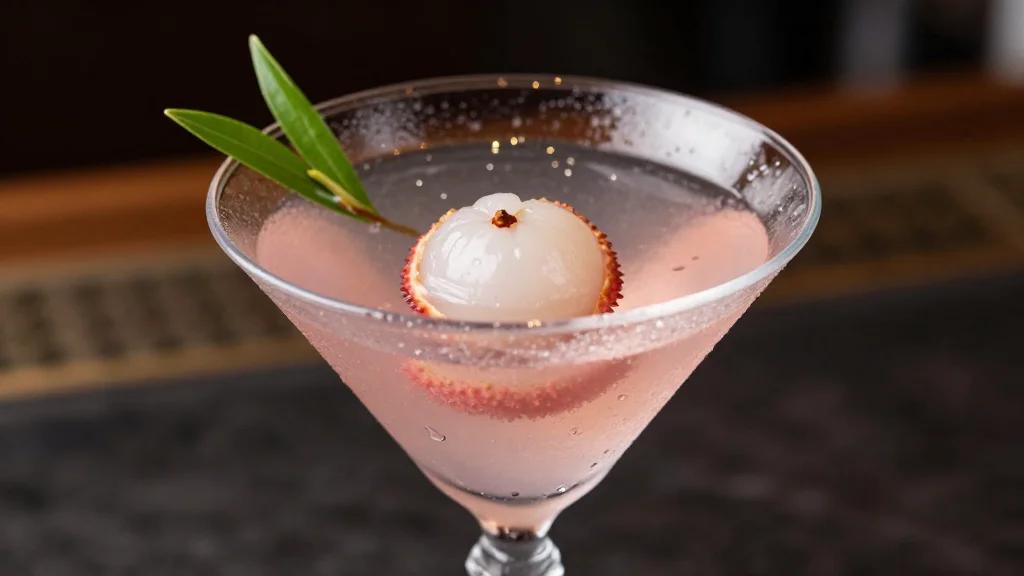
The lychee martini’s revival is more than a nostalgic nod; it marks a cultural reclamation of a cocktail once reduced to a sugary gimmick. Originating in 1990s Manhattan, the drink has long served as a shorthand for Asian flavors in Western bars. Today, mixologists are digging deeper, sourcing fresh lychees, integrating traditional tea pairings, and referencing historic anecdotes—like the Tang Dynasty’s lychee highway—to craft drinks that honor the fruit’s heritage while appealing to modern palates.
Innovations span the continent, from Chaoyi Chen’s milk‑washed vodka concoction at Manhattan’s 929 speakeasy to Brian Callahan’s clarified canned lychee blend in Cambridge. Bartenders are marrying lychee with clear spirits such as gin, rum, and pisco, then layering in oolong tea, soy milk foam, cucumber, or even fermented brine. These variations reflect each establishment’s cultural roots—Vietnamese venues add chili vodka, Indian spots incorporate rose water or black pepper, and D.C. bars experiment with fish sauce—demonstrating how a single fruit can serve as a versatile canvas for regional expression.
The movement carries tangible market implications. As Asian-American communities seek representation, bars that deliver authentic, story‑rich cocktails gain a competitive edge, attracting both diaspora patrons and adventurous consumers. Supply constraints on fresh lychee have spurred inventive techniques like clarifying canned fruit, highlighting the industry’s adaptability. With the cocktail’s profile rising, we can expect broader menu integration, premium pricing, and potential cross‑over into ready‑to‑drink formats, cementing the lychee martini as a staple of contemporary mixology.
The Lychee Martini’s Going Back to Its Roots
Comments
Want to join the conversation?