USDA Issues Public Alert on Beef and Pork with Undeclared Sesame
Key Takeaways
- •USDA alerts on raw beef and pork with undeclared sesame allergen
- •Products sold at Lotte Plaza markets in FL, MD, NJ, VA
- •No recall; items already off shelves but may be in homes
- •No reported allergic reactions yet; consumers advised to discard
- •Issue discovered during routine FSIS label review
Pulse Analysis
Accurate allergen labeling is a cornerstone of U.S. food safety policy. The USDA’s Food Safety and Inspection Service (FSIS) monitors meat products for compliance with the Federal Food, Drug, and Cosmetic Act, which requires all major allergens—including sesame—to be clearly disclosed. Misbranding not only jeopardizes individuals with severe sensitivities but also exposes manufacturers to liability and potential enforcement actions. Routine label reviews, like the one that uncovered the sesame omission, are essential safeguards that help maintain the integrity of the supply chain.
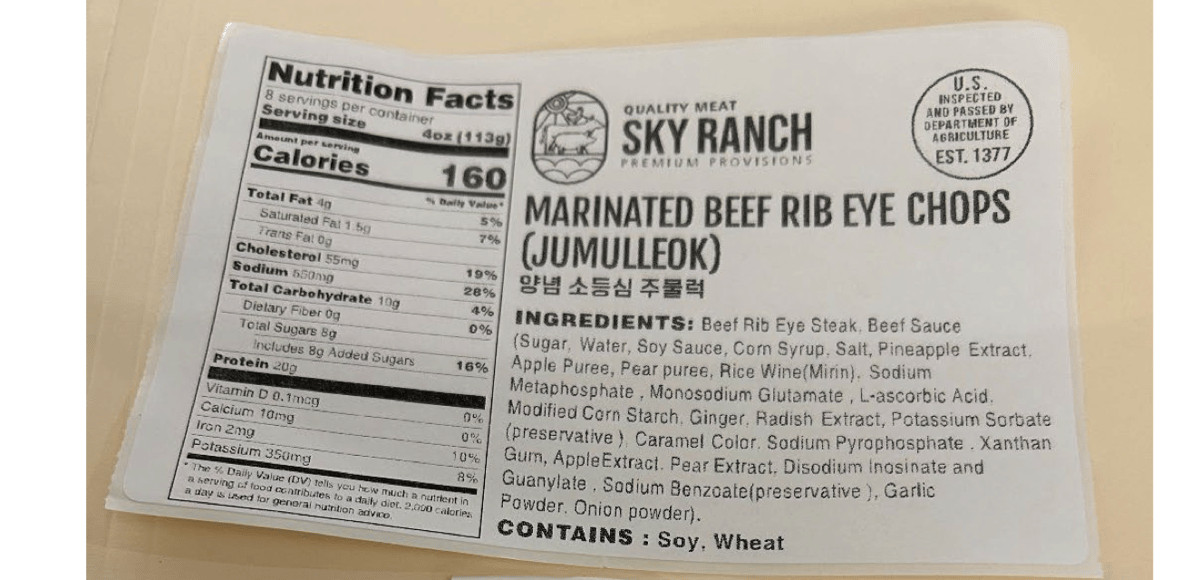
The current alert centers on four 1.5‑pound marinaded beef and pork items bearing the “QUALITY MEAT SKY RANCH PREMIUM PROVISIONS” brand. Produced from late 2025 through early 2026, these products were distributed to Lotte Plaza Market stores across four states before being pulled from shelves. Although no adverse reactions have been reported, the USDA advises consumers to discard any remaining packages, emphasizing that the risk persists in home freezers. The decision not to issue a formal recall reflects the products’ limited market presence, yet the agency’s public‑health alert underscores the importance of immediate consumer communication when labeling errors surface.
For the broader meat industry, this episode highlights the growing vigilance around emerging allergens such as sesame, which was added to the U.S. Food Allergen List in 2023. Retailers and processors must reinforce internal checks, invest in staff training, and consider third‑party verification to avoid similar lapses. Failure to do so can trigger costly brand damage, loss of shelf space, and heightened scrutiny from regulators. As consumer awareness of allergen risks rises, transparent labeling will remain a competitive differentiator and a regulatory imperative.
USDA issues public alert on beef and pork with undeclared sesame
Comments
Want to join the conversation?