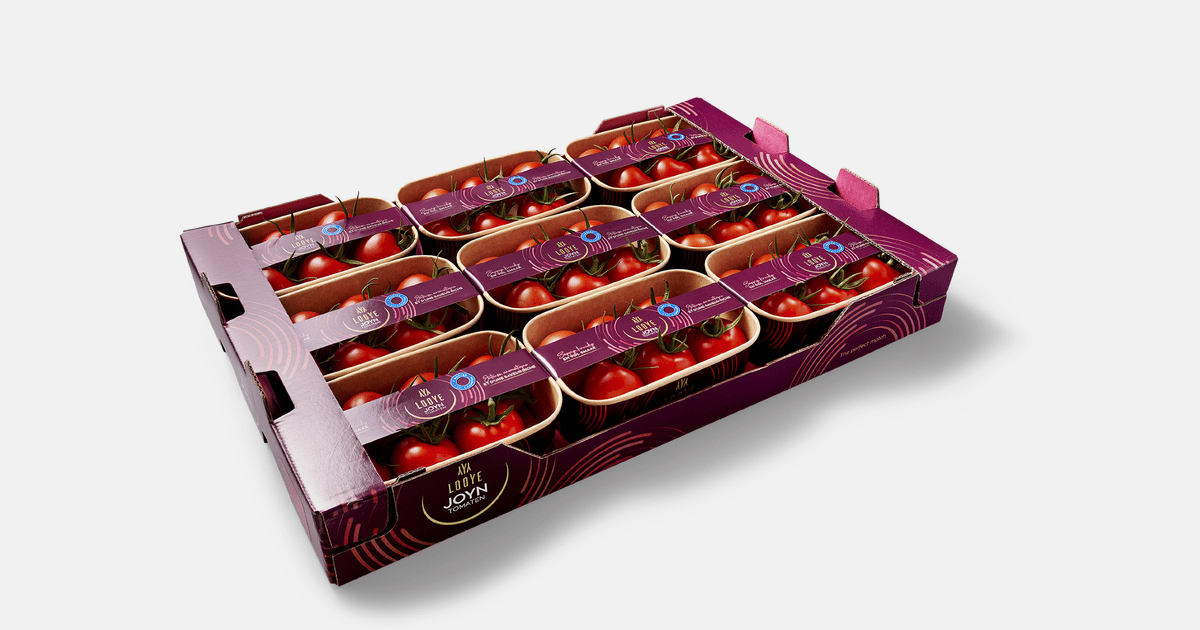
45% Less Plastic and a Stronger Brand: How Looye Switched to Paper Banding
Why It Matters
The switch shows how sustainable packaging can simultaneously meet regulatory pressure and enhance brand equity, signaling a strategic advantage for premium fresh‑produce companies.
Key Takeaways
- •Looye cut plastic use by 45% using paper banding.
- •Paper bands keep produce visible and lower overall package weight.
- •Added branding space enables recipes, QR codes, and marketing messages.
- •Higher cost and slower speed restrict paper banding to premium products.
- •Open design reduces mold risk, improving product shelf life.
Pulse Analysis
Regulatory scrutiny and consumer demand for greener packaging are reshaping the fresh‑produce supply chain. While traditional plastic bands have dominated for decades, paper banding offers a lightweight, recyclable alternative that aligns with EU directives and emerging U.S. state laws. Looye’s adoption illustrates how a relatively simple material swap can deliver a 45% reduction in plastic, translating into lower carbon footprints and compliance headroom for growers facing tighter waste‑management targets.
Beyond environmental metrics, paper banding functions as a marketing platform. The narrow strip provides a visible canvas for premium branding, QR‑linked recipes, and product storytelling, turning packaging into a direct consumer touchpoint. This dual benefit—sustainability plus enhanced brand communication—addresses the growing expectation that packaging should do more than protect; it should educate and inspire. Moreover, the open design improves airflow, mitigating mold formation and extending shelf life, which can reduce spoilage costs for retailers and growers alike.
The technology is not without trade‑offs. Paper bands are costlier and require slower, more precise application equipment, limiting scalability for low‑margin, high‑volume products. Consequently, adoption is likely to concentrate in the premium segment where brand differentiation justifies the expense. As material science advances, hybrid solutions or automated paper‑banding lines could lower costs, expanding the approach across broader market tiers. For now, Looye’s case serves as a proof point that strategic packaging innovation can deliver both ecological and commercial gains, setting a benchmark for the industry’s next wave of sustainable design.
45% less plastic and a stronger brand: how Looye switched to paper banding
Comments
Want to join the conversation?
Loading comments...