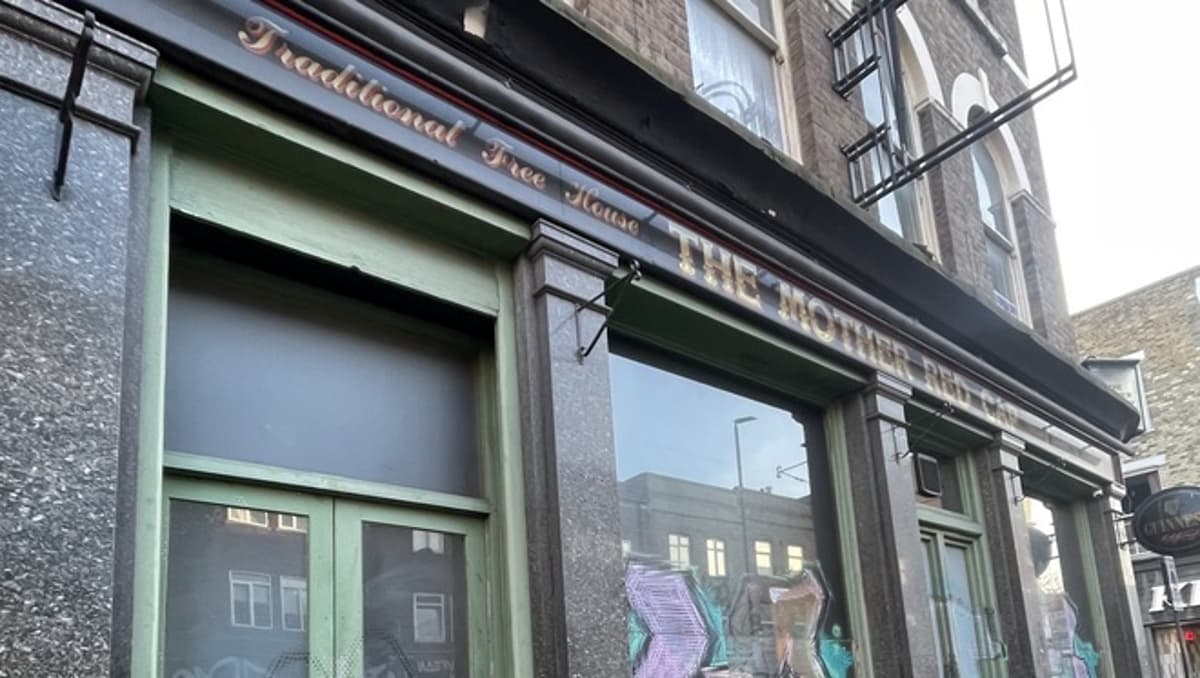
A Great North London Pub Is Set to Reopen After Two Years’ Closure
Companies Mentioned
Why It Matters
The pub’s return underscores community resilience amid a nationwide decline in drinking establishments, and signals that heritage venues can still attract investment.
Key Takeaways
- •Mother Red Cap to reopen within a month after two-year closure
- •Star Pubs confirms renovation, preserving listed interior features
- •Councillor James Potts spearheads community push to revive the pub
- •Venue, dating to 1871, is a historic Irish pub beloved by locals
- •London lost 930 pubs 2004‑2024; this reopening offers a hopeful sign
Pulse Analysis
The British pub landscape has entered a period of contraction, with the Office for National Statistics reporting that 930 London establishments vanished between 2004 and 2024. Factors such as rising rents, shifting consumer habits, and the lingering effects of the pandemic have accelerated closures, prompting industry analysts to warn of a cultural loss. Yet, within this bleak tableau, isolated pockets of revival are emerging, often driven by community pressure and strategic investment. These micro‑reopenings serve as barometers for whether heritage venues can still find a sustainable niche in a changing market.
The Mother Red Cap, an Irish‑styled tavern dating back to 1871, exemplifies that potential. After its publican retired and the premises fell victim to graffiti, Star Pubs announced a refurbishment that respects the building’s listed interior—original wood paneling, tiled walls, and a classic games machine. Councillor James Potts, a vocal advocate, documented the removal of security barriers and galvanized local residents via social media. By committing to a month‑long timeline for reopening, the operator signals confidence that the venue can once again generate foot traffic, support nearby businesses, and preserve a slice of North London heritage.
From a strategic standpoint, the Mother Red Cap’s comeback could inspire similar interventions across Islington and beyond. Investors are increasingly scrutinizing heritage assets for adaptive reuse, balancing preservation with profitability. Moreover, the case highlights the power of grassroots campaigns in influencing corporate decisions, a dynamic that may reshape planning negotiations for at‑risk pubs. If the reopening proves financially viable, it may encourage landlords to reconsider shuttered sites, potentially slowing the overall decline. For patrons, the revival offers a tangible reminder that community‑driven stewardship can keep traditional gathering places alive.
A great north London pub is set to reopen after two years’ closure
Comments
Want to join the conversation?
Loading comments...