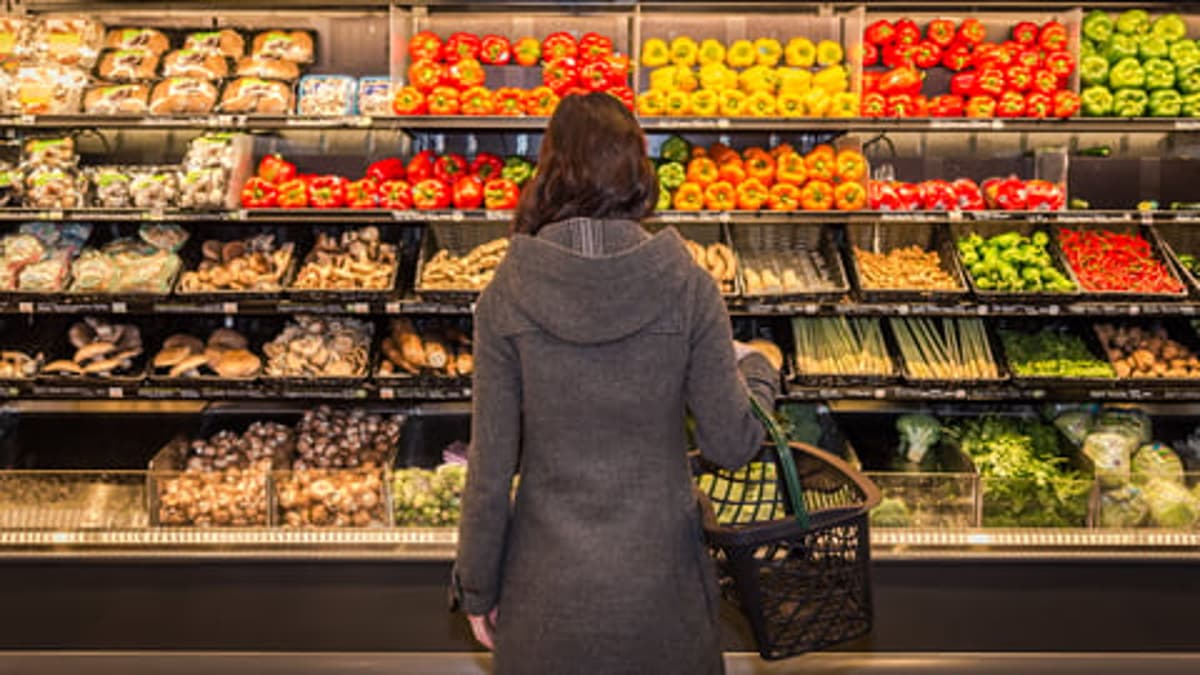
A New Normal at the Grocery Store: More Strategy, Less Freedom
Why It Matters
Persistently high food costs erode household purchasing power and force retailers and policymakers to address long‑term affordability rather than short‑term price spikes.
Key Takeaways
- •Food inflation perception down, but 81% still see price hikes
- •Average home food spend now $301 USD, up 4.6% YoY
- •One‑third of households still struggle to afford food
- •Affordability tops food priorities for 45.5% of Canadians
- •44% actively hunt discounts; 8.5% use food‑rescue apps
Pulse Analysis
The latest Canadian Food Sentiment Index paints a nuanced picture of a market that has moved past the acute shock of soaring food prices but remains shackled by persistent affordability stress. Consumers now report lower anxiety about inflation—only 29.7% believe prices rose over 10%—yet 81% still identify food as the cost that has risen most sharply. This disconnect highlights how inflation’s psychological tail can fade while its fiscal bite endures, reshaping household budgeting habits and forcing a re‑prioritization of value over other attributes such as nutrition or local provenance.
For retailers, the data signal a lasting transformation in shopping behavior. Average monthly grocery outlays have risen to about $301 USD, and the proportion of families spending more than $600 CAD (≈$438 USD) per month on groceries has climbed to 20.6%. At the same time, discretionary dining out remains constrained, prompting shoppers to make more frequent, smaller store visits—averaging 5.23 trips per month—to fine‑tune spend. Discount‑seeking is now routine: 44% actively chase sales, 23% use coupons, and a growing segment leverages food‑rescue apps, indicating that price‑sensitivity has become embedded in everyday decision‑making.
Policymakers must therefore shift focus from headline inflation rates to the underlying purchasing‑power erosion that drives these behaviors. Persistent moderate inflation, combined with stagnant wages, keeps a third of Canadians in a survival mode that compromises nutrition and health outcomes. Targeted interventions—such as expanding affordable housing‑linked food subsidies, encouraging price‑transparent labeling, and supporting low‑cost local production—could alleviate the chronic strain. As the Canadian market settles into this “new normal,” the resilience of households will hinge on coordinated efforts that address both price stability and long‑term affordability.
A new normal at the grocery store: More strategy, less freedom
Comments
Want to join the conversation?
Loading comments...