Adding Energy to the Foundation of Functional Foods
Companies Mentioned
Why It Matters
The shift toward blended energy solutions lets food companies meet growing consumer demand for clean, lasting stamina while differentiating products in a crowded market.
Key Takeaways
- •Caffeine remains top energy source, consumed by ~90% of Americans
- •Natural extracts like guarana, green tea, and guayusa drive new drinks
- •Startups launch caffeinated snacks, mints, and soda‑espresso hybrids
- •Brands combine lower caffeine doses with protein to extend energy
- •Zero‑sugar, controlled‑release formats appeal to health‑focused consumers
Pulse Analysis
Caffeine’s ubiquity—nearly nine in ten Americans sip it daily—continues to anchor the functional‑food energy narrative. While it spikes alertness, it does not supply calories, prompting manufacturers to pair stimulants with true fuel sources. This distinction is driving a wave of product development that blends traditional caffeine with ingredients that deliver sustained metabolic support, such as proteins, soluble fibers, and low‑glycemic carbs.
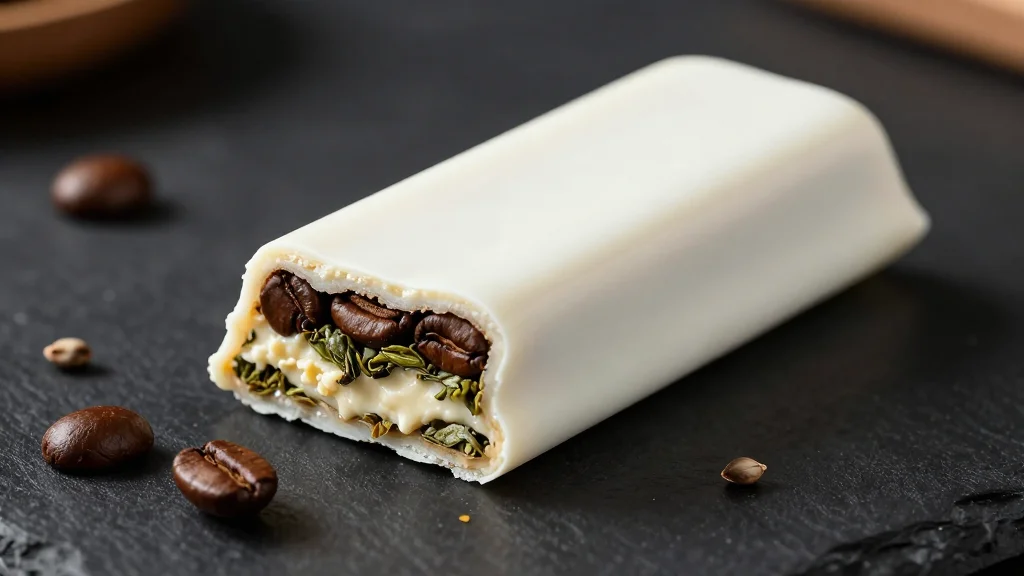
Beyond classic energy drinks, innovators are reimagining how caffeine enters the diet. Esspo’s soda‑espresso hybrid, Awake Chocolate’s coffee‑infused bites, Moka Energy’s coffee‑bean bars, Simply Gum’s high‑caffeine mints, and Friss’s zero‑sugar pouches illustrate a diversification across formats and taste profiles. Each offering balances stimulant potency—ranging from 45 mg to 360 mg per serving—with calorie considerations, natural sweeteners, and functional additives like L‑theanine, catering to on‑the‑go consumers seeking both flavor and performance.
The industry’s next frontier lies in synergistic blends that temper caffeine’s edge with protein and fiber. Mondelez’s Clif bites, Kellanova’s RXBAR energy bites, and BellRing’s Premier Protein Coffeehouse shakes combine 6‑30 g of plant or dairy protein with a coffee‑equivalent caffeine dose, delivering slower glucose release, satiety, and muscle‑support benefits. This integrated approach not only mitigates jitters and sleep disruption but also positions energy as a nutritional benefit rather than a mere stimulant, opening avenues for broader category adoption in snacks, dairy, and ready‑to‑drink segments.
Adding energy to the foundation of functional foods
Comments
Want to join the conversation?
Loading comments...