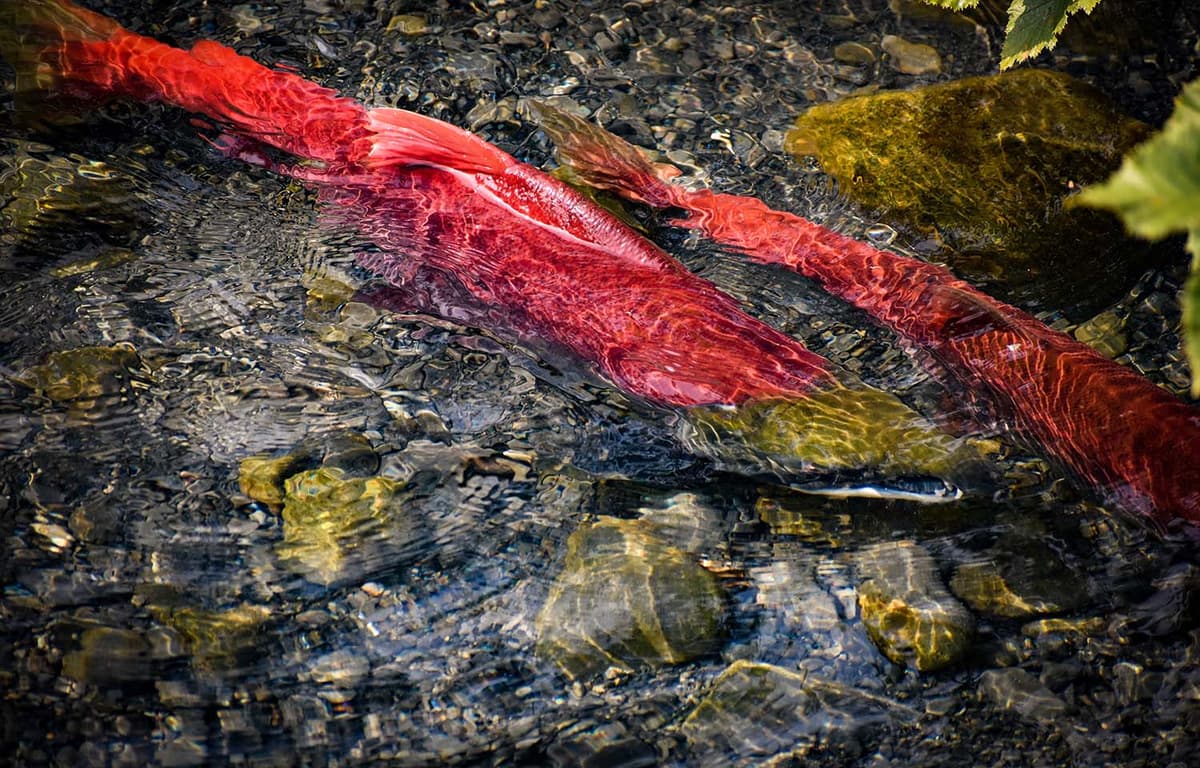
Alaska Department of Fish and Game Projects Lower Salmon Harvest Totals This Year
Why It Matters
A steep decline in total salmon harvest threatens revenue for Alaska’s fishing industry and could tighten supply chains nationwide, while the treaty adjustments highlight shifting management priorities amid fluctuating stock health.
Key Takeaways
- •Projected 125.5M salmon harvest, down 35% from 2025.
- •Pink salmon forecast drops over 50% versus last year.
- •Sockeye harvest expected near 49.7M, slight decline.
- •Chinook estimate around 197K, modest increase from 181.9K.
- •Adjusted Pacific Salmon Treaty limits reflect improving stock trends.
Pulse Analysis
Alaska’s 2026 salmon outlook underscores how environmental variability can reshape a cornerstone industry. Warmer ocean temperatures and altered river flows have depressed pink salmon runs, the species that traditionally drives the bulk of the state’s harvest. While sockeye and coho remain relatively stable, the overall projection of 125.5 million fish marks a roughly 35 percent contraction from the previous year, prompting concerns about market pricing and export volumes. Analysts note that such fluctuations are not merely seasonal; they reflect broader climate pressures that could persist across the Pacific Northwest fisheries.
For commercial operators, the forecast translates into tighter quotas and heightened competition for limited catches. The Pacific Salmon Treaty’s recent limit adjustments—raising targets for Chinook across several gear types—signal a cautious optimism that some stocks are rebounding after poor production years. However, the modest increase in Chinook harvests, from 181,900 to about 197,000, may not offset revenue losses from the pink salmon slump. Processors and distributors are already bracing for tighter supply, which could lift retail prices and reshape contract negotiations with buyers in the U.S. and Asian markets.
Looking ahead, Alaska’s fisheries managers are emphasizing adaptive strategies, including more granular run forecasts and responsive harvest controls. Continued monitoring of spawning habitats and investment in hatchery programs aim to buffer future declines. Stakeholders—from indigenous communities to export firms—are urged to diversify product lines and explore value‑added processing to mitigate economic shocks. As the final 2026 report rolls out in April, its findings will guide policy adjustments that balance ecological sustainability with the state’s vital seafood economy.
Alaska Department of Fish and Game projects lower salmon harvest totals this year
Comments
Want to join the conversation?
Loading comments...