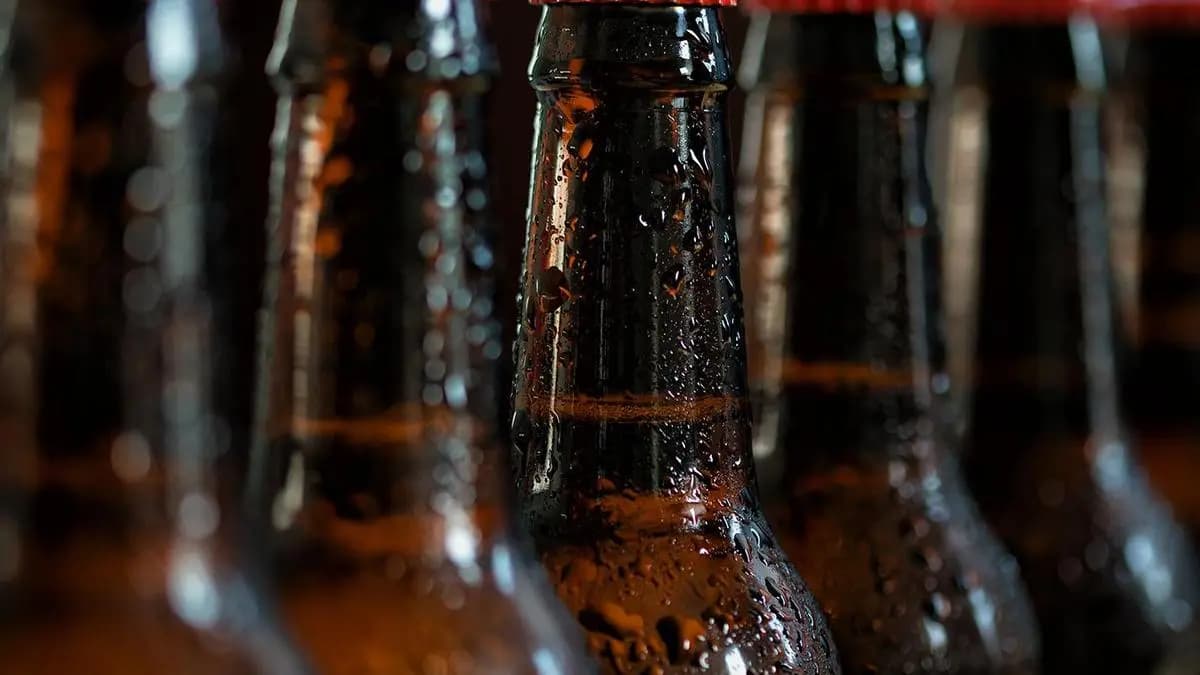
Alcoholic Beverage Industry Seeks Price Hike Amid Rising Costs From West Asia Crisis
Why It Matters
Higher retail prices could curb demand for alcoholic drinks, while prolonged supply constraints may force producers to cut output, reshaping India’s beverage market and state tax revenues.
Key Takeaways
- •BAI seeks 15‑20% price hike for beer, wine, IMFL.
- •Glass bottle costs up 20%; cartons up nearly 100%.
- •Aluminium and can shortages threaten production continuity.
- •LNG shortage forces glass makers to use costlier spot fuel.
- •Industry asks for ₹3‑5 ($0.04‑$0.06) levy cut per litre.
Pulse Analysis
The West Asia crisis has rippled through global supply chains, hitting India’s alcoholic beverage sector hard. Disruptions in Middle‑East LNG and aluminium shipments have driven up the cost of essential packaging inputs, while the rupee’s depreciation adds a further import premium. Glass manufacturers in Firozabad face a 60% gas supply cut, forcing a shift to expensive spot LNG or LPG, inflating bottle prices by 20% and prompting a 10‑20% price hike from glass producers themselves. These pressures cascade to brewers and distillers, whose margins are squeezed by rising logistics costs and surging freight surcharges.
In response, the Brewers Association of India and the Confederation of Indian Alcoholic Beverage Companies have formally requested state governments to permit a 15‑20% price revision across IMFL, wine and beer categories. They also propose a temporary levy reduction of ₹3‑5 per bulk litre—roughly $0.04‑$0.06—to offset the cost surge. The industry’s leading players, including United Breweries, AB InBev and Carlsberg, account for 85% of beer sales, giving the lobbying effort significant weight. If approved, the price adjustments could preserve producer profitability but risk passing higher costs onto consumers, potentially dampening demand in a price‑sensitive market.
For policymakers, the dilemma balances fiscal revenue, public health considerations, and the health of a key manufacturing sector. Prolonged shortages of glass and aluminium could trigger plant shutdowns, reducing tax collections and employment. Conversely, denying price relief may force producers to absorb losses, leading to reduced investment and slower growth. Monitoring the crisis’s trajectory and its impact on input costs will be crucial for crafting measured interventions that safeguard both industry stability and consumer interests.
Alcoholic beverage industry seeks price hike amid rising costs from West Asia crisis
Comments
Want to join the conversation?
Loading comments...