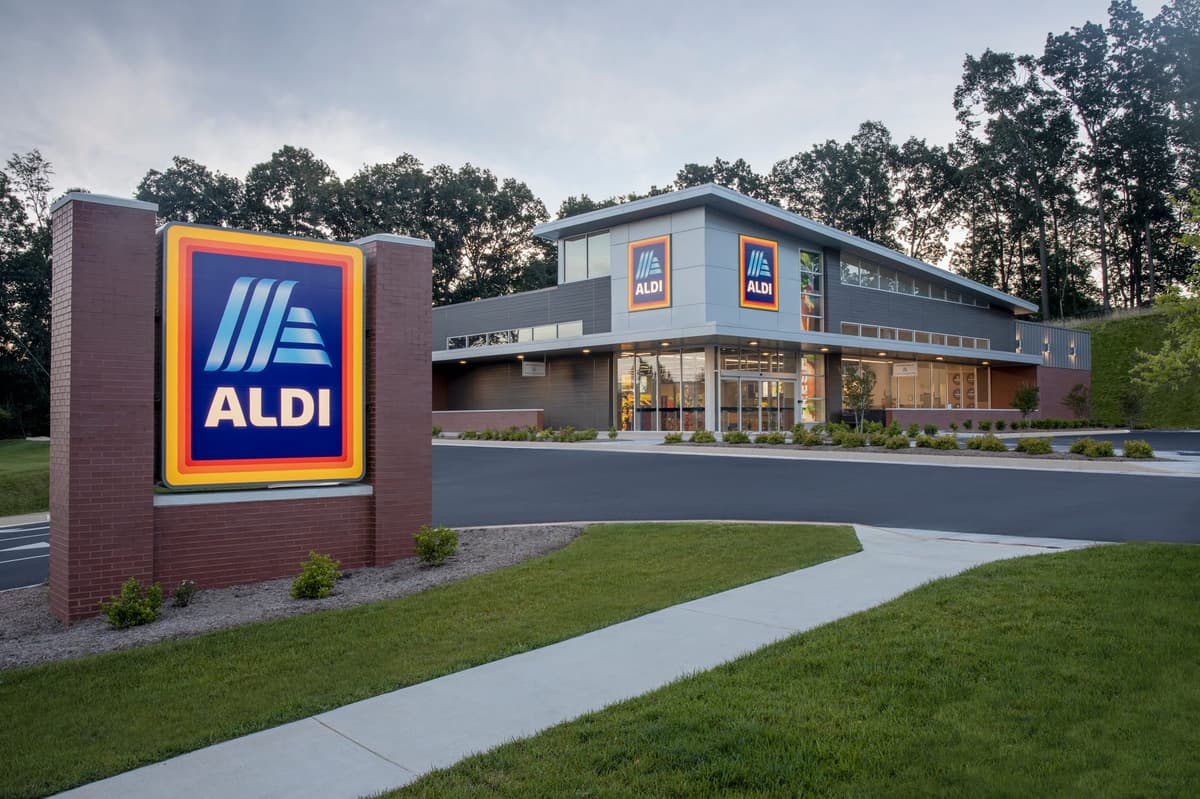
Aldi Testing New Store Format in Florida
Companies Mentioned
Why It Matters
The new format positions Aldi to accelerate its U.S. footprint, sharpen cost advantages, and challenge incumbent discount grocers on both price and experience.
Key Takeaways
- •Aldi launched unified global store format in Aventura, Florida.
- •Modular design targets operational efficiency and expanded private‑label range.
- •Over 180 Winn‑Dixie conversions planned for 2026.
- •Testing guided by Aldi South Group and Aldi Australia.
- •Rollout expected to reshape U.S. discount grocery landscape.
Pulse Analysis
Aldi’s decision to pilot a global store concept in Florida reflects a broader shift among discount retailers toward standardized, technology‑enabled layouts. By leveraging a modular architecture, the company can quickly adapt store footprints to local demographics while preserving a core set of efficiencies—shorter checkout lines, streamlined stocking, and a focus on high‑margin private‑label products. This approach mirrors similar initiatives in Europe and Australia, where Aldi has already harmonized its brand experience, suggesting the U.S. rollout is the next logical step in a multi‑continent strategy.
The design’s emphasis on expanded private‑label assortments is a direct response to consumer demand for value without sacrificing quality. Modular fixtures allow Aldi to rotate seasonal items and test new SKUs with minimal disruption, reducing labor costs and inventory waste. Coupled with a “recalibrated” operations model, the format promises lower overhead, which can be passed on to shoppers as lower shelf prices—a key differentiator in a market dominated by price‑sensitive buyers. Additionally, the partnership with Landini Associates brings retail‑system expertise that can streamline supply‑chain integration across the new stores.
From a competitive standpoint, the rollout could reshape the discount grocery landscape. With over 180 Winn‑Dixie stores slated for conversion, Aldi will significantly increase its U.S. store count, challenging Walmart’s Neighborhood Market and Kroger’s Simple Truth brands. Investors are likely to view the unified format as a catalyst for margin expansion and market share gains, especially as the company leverages its lean cost structure to compete on both price and experience. If the pilot proves successful, the model may become the template for future Aldi expansions across the United States.
Aldi testing new store format in Florida
Comments
Want to join the conversation?
Loading comments...