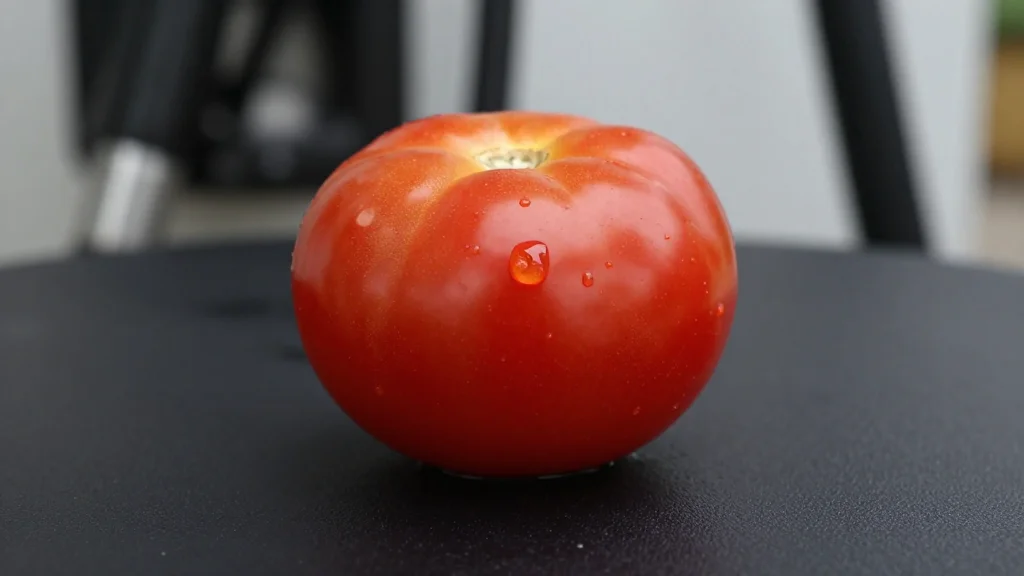
America Faces Another Grocery-Price Shock
Why It Matters
Rising food costs erode household purchasing power and squeeze retailer margins, signaling tighter inflationary pressures for the broader economy. The uneven burden on low‑income shoppers could accelerate demand for discount retailers and private‑label alternatives.
Key Takeaways
- •Tomato prices up 25% year‑over‑year.
- •Higher energy costs drive grocery price inflation.
- •Price shock hits low‑income households hardest.
- •Supply chain bottlenecks amplify commodity cost spikes.
Pulse Analysis
The latest grocery‑price shock stems from a confluence of rising energy costs and persistent supply‑chain constraints. As natural gas and electricity rates climb, farms face higher irrigation and processing expenses, while transportation firms grapple with fuel price volatility. Those upstream cost increases quickly translate into higher wholesale prices for commodities like tomatoes, which serve as a bellwether for broader food‑price trends. The result is a noticeable uptick in shelf‑price tags that mirrors the 2022 egg surge, but with a wider product footprint.
For retailers, the inflationary wave forces a delicate balancing act. Higher input costs compress profit margins, prompting many chains to adjust pricing strategies, renegotiate supplier contracts, or lean more heavily on private‑label brands that offer better cost control. Meanwhile, consumers—particularly those on fixed or low incomes—are forced to reallocate budgets, often substituting premium items with cheaper alternatives or cutting back on fresh produce altogether. This shift can reshape demand patterns, benefiting discount grocers while pressuring upscale markets.
Looking ahead, policymakers and industry leaders are exploring mitigation tactics. Short‑term measures include targeted subsidies for energy‑intensive agricultural processes and temporary tax relief for essential food items. Longer‑term solutions focus on diversifying energy sources, investing in more efficient logistics, and bolstering domestic production to reduce reliance on volatile global inputs. How quickly these interventions take hold will determine whether the current price shock becomes a fleeting blip or a new baseline for American grocery inflation.
America faces another grocery-price shock
Comments
Want to join the conversation?
Loading comments...