Are Ancient Grains Really Better for You?
Why It Matters
Understanding the true nutritional value of ancient grains helps consumers make informed choices, while their resilience could shape sustainable agriculture amid climate change.
Key Takeaways
- •Ancient grains often gluten‑free, aiding those with sensitivities
- •Wholegrain intake, not grain age, drives most health benefits
- •Some ancient varieties show drought resistance, supporting climate‑smart farming
- •Nutrient gaps between ancient and modern grains are modest and under‑researched
- •Higher yields and better baking keep farmers favoring modern grains
Pulse Analysis
The resurgence of ancient grains has captured consumer attention, yet the core health narrative remains tied to wholegrain consumption rather than the grain’s lineage. Wholegrains retain bran, germ, and endosperm, delivering fiber, vitamins, and polyphenols that research links to lower risks of type 2 diabetes, hypertension, and several cancers. While quinoa and millet offer gluten‑free alternatives, the bulk of the evidence suggests that eating any grain in its whole form, regardless of its age, provides the most measurable benefit. This nuance is crucial for dietitians advising clients who chase trends without considering processing effects.
Scientific studies comparing ancient and modern grains reveal only modest nutritional gaps. A 2020 review found slight declines in iron, zinc, and magnesium in modern varieties since the 1960s, but overall nutrient profiles remain comparable. Small trials, such as a four‑week quinoa‑bread study, show modest improvements in blood‑sugar markers, yet larger, long‑term data are scarce. Consequently, the hype surrounding ancient grains often eclipses the reality that their health advantage is primarily linked to higher fiber content when consumed whole, not inherent superiority.
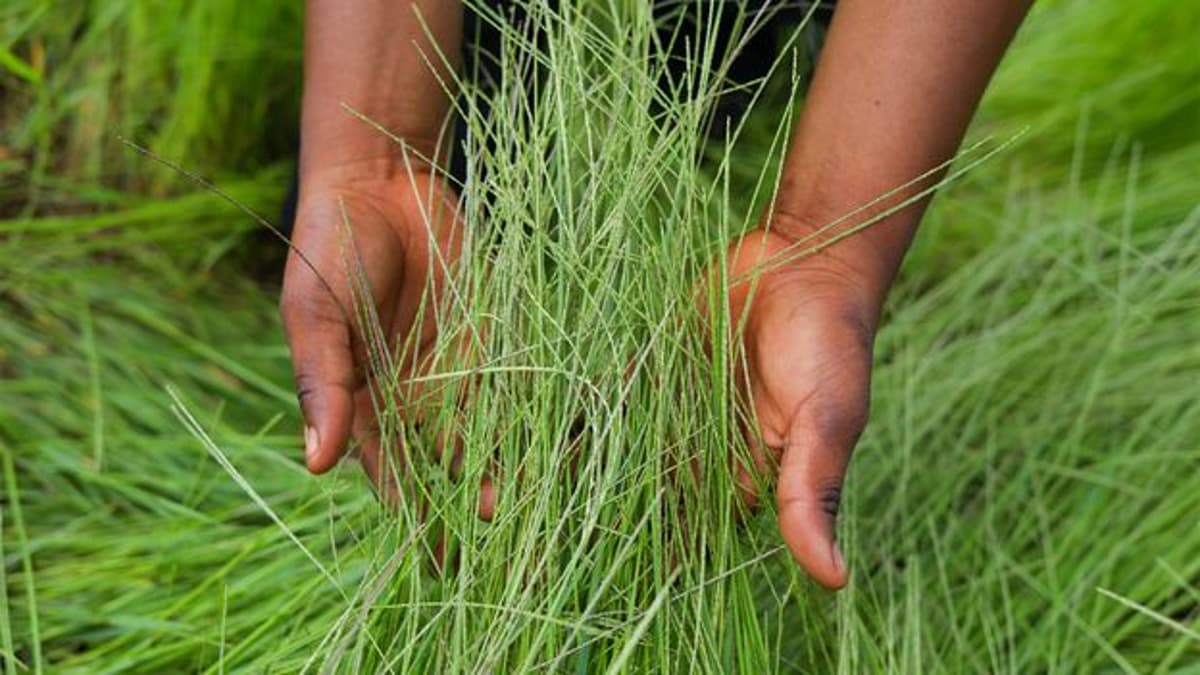
Beyond nutrition, ancient grains hold strategic value for agriculture. Certain varieties, like Turkish ancient wheat and West African fonio, exhibit drought tolerance and lower pesticide requirements, positioning them as candidates for climate‑resilient cropping systems. While modern grains dominate due to superior yields and baking qualities, integrating select ancient strains could diversify the food supply and reduce environmental strain. Policymakers and growers alike are therefore weighing the trade‑off between productivity and sustainability, recognizing that a mixed‑grain approach may deliver both health and ecological benefits.
Are ancient grains really better for you?
Comments
Want to join the conversation?
Loading comments...