Ask a Distiller: What Does It Mean When a Spirit Is ‘Overproof’?
Key Takeaways
- •Overproof spirits exceed 50% ABV (100 proof) across categories
- •Term most associated with rum, especially Jamaican expressions above 57% ABV
- •Historical test used gunpowder ignition to verify proof for naval shipments
- •Rising consumer interest mirrors cask‑strength whiskey demand for authentic flavor
- •Labels like cask strength, barrel proof, navy strength denote similar high‑proof ranges
Pulse Analysis
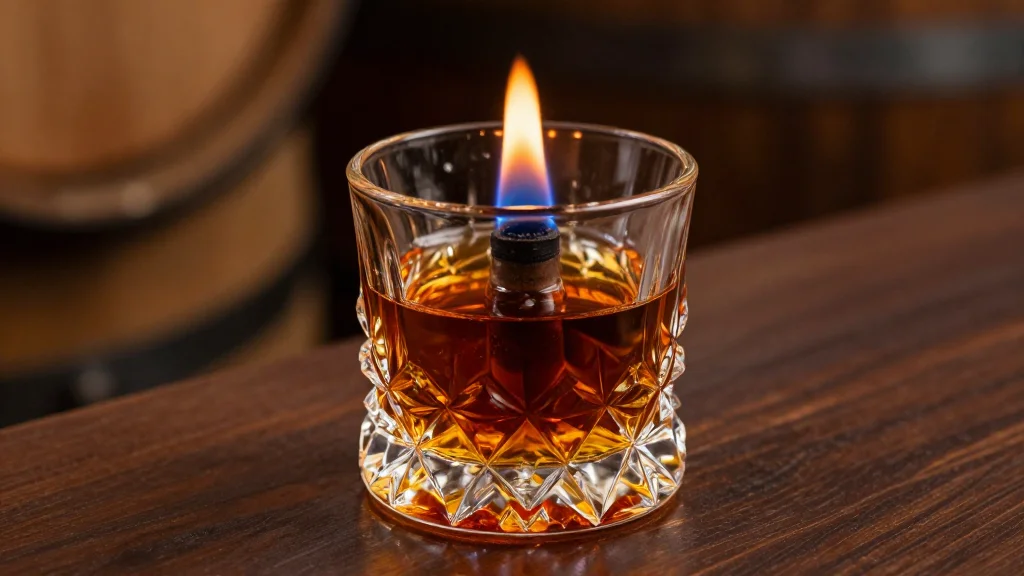
The concept of "overproof" dates back to the 18th‑century British navy, when sailors needed a quick way to confirm rum hadn’t been diluted. By soaking gunpowder in the spirit and lighting it, they could see if the mixture ignited—proof of sufficient alcohol. This practical test gave rise to the term, which today universally denotes any spirit above 50% ABV, though it remains most closely linked to rum, especially the high‑proof varieties from Jamaica that often exceed 57% ABV.
In recent years, overproof spirits have moved from a niche historical curiosity to a mainstream market driver. Adventurous consumers, accustomed to cask‑strength whiskey, are now gravitating toward similarly intense rums, gins, and bourbons. The appeal lies in the unfiltered character that high proof preserves—richer aromatics, fuller mouthfeel, and a more authentic representation of the distiller’s original cut. This trend is prompting brands to release limited‑edition, barrel‑proof bottlings, leveraging the premium perception and higher price points associated with these potent expressions.
For producers, the rise of overproof offerings presents both opportunity and challenge. While higher ABV can command premium pricing and differentiate a portfolio, it also demands careful labeling and compliance with varying regional regulations. Mixologists are capitalizing on the potency to craft bold, flame‑kissed cocktails, further embedding overproof spirits into contemporary bar culture. As the market continues to embrace stronger, more character‑driven drinks, overproof labels are likely to become a staple in the premium segment, shaping product development and consumer expectations for years to come.
Ask a Distiller: What Does it Mean When a Spirit Is ‘Overproof’?
Comments
Want to join the conversation?