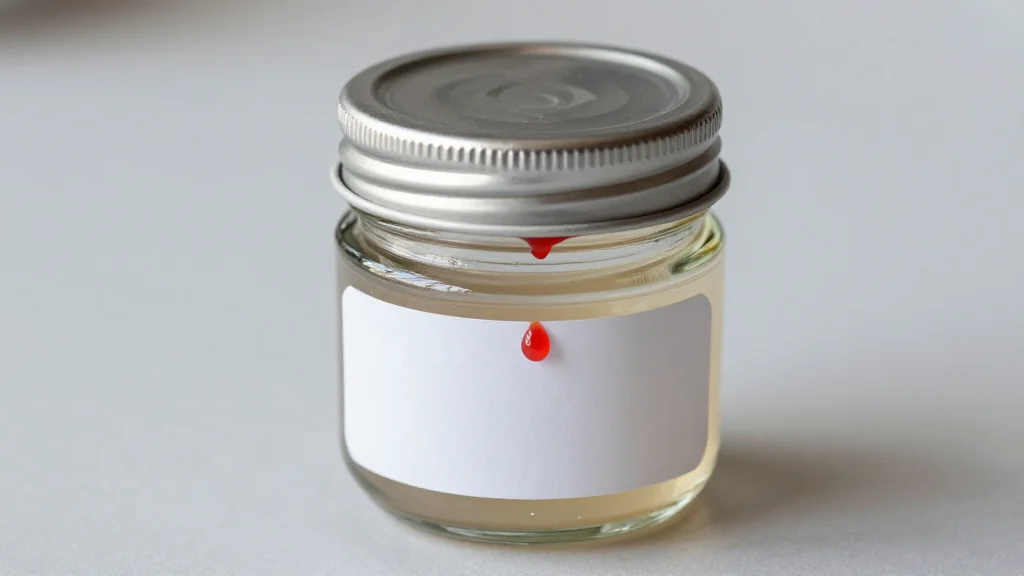
Austria Recalls Baby Food Jars in Health Scare
Why It Matters
The recall threatens consumer confidence in trusted infant‑food brands and may trigger tighter regulatory oversight across Europe, impacting market dynamics for baby‑food manufacturers.
Key Takeaways
- •HiPP recalls all 190‑gram carrot/potato baby jars
- •Hazardous substance suspected due to possible tampering
- •Recall flagged by white label with red circle
- •Police seek witnesses; contaminant details unknown
- •Follows Danone’s February infant formula recall in region
Pulse Analysis
Food‑safety recalls in the infant‑nutrition sector carry outsized reputational risk because parents demand absolute certainty about what their children consume. When a potential lethal contaminant is introduced—whether by deliberate tampering or accidental cross‑contamination—regulators act swiftly, issuing public warnings, mandating product withdrawals, and mobilizing law‑enforcement resources. The immediate priority is to prevent exposure, but the downstream effects ripple through supply chains, prompting retailers to tighten inventory checks and manufacturers to audit production lines more rigorously. In Austria, the swift HiPP recall illustrates how quickly a single product line can become a national health alert.
HiPP, known for its organic baby‑food portfolio, commands a sizable share of the Austrian market, especially within premium retail channels like SPAR. The brand’s decision to pull the entire 190‑gram carrot‑potato line reflects a precautionary stance that prioritizes consumer safety over short‑term sales. However, the recall may strain relationships with retailers, trigger inventory shortages, and force HiPP to accelerate alternative product releases. Parents, already sensitized by Danone’s February formula recall, may shift toward locally produced or government‑certified alternatives, reshaping purchasing patterns in the infant‑food segment.
The Austrian incident underscores a broader European trend toward heightened vigilance over infant‑food safety. Recent recalls across the continent have prompted the European Food Safety Authority to consider stricter labeling requirements and more frequent unannounced inspections. For manufacturers, the cost of compliance—enhanced traceability systems, tamper‑evident packaging, and rapid response protocols—will rise, but the price of a single safety breach can be far higher in lost market share and legal exposure. Companies that invest proactively in robust quality‑assurance frameworks are likely to retain consumer trust and navigate the evolving regulatory landscape more effectively.
Austria recalls baby food jars in health scare
Comments
Want to join the conversation?
Loading comments...