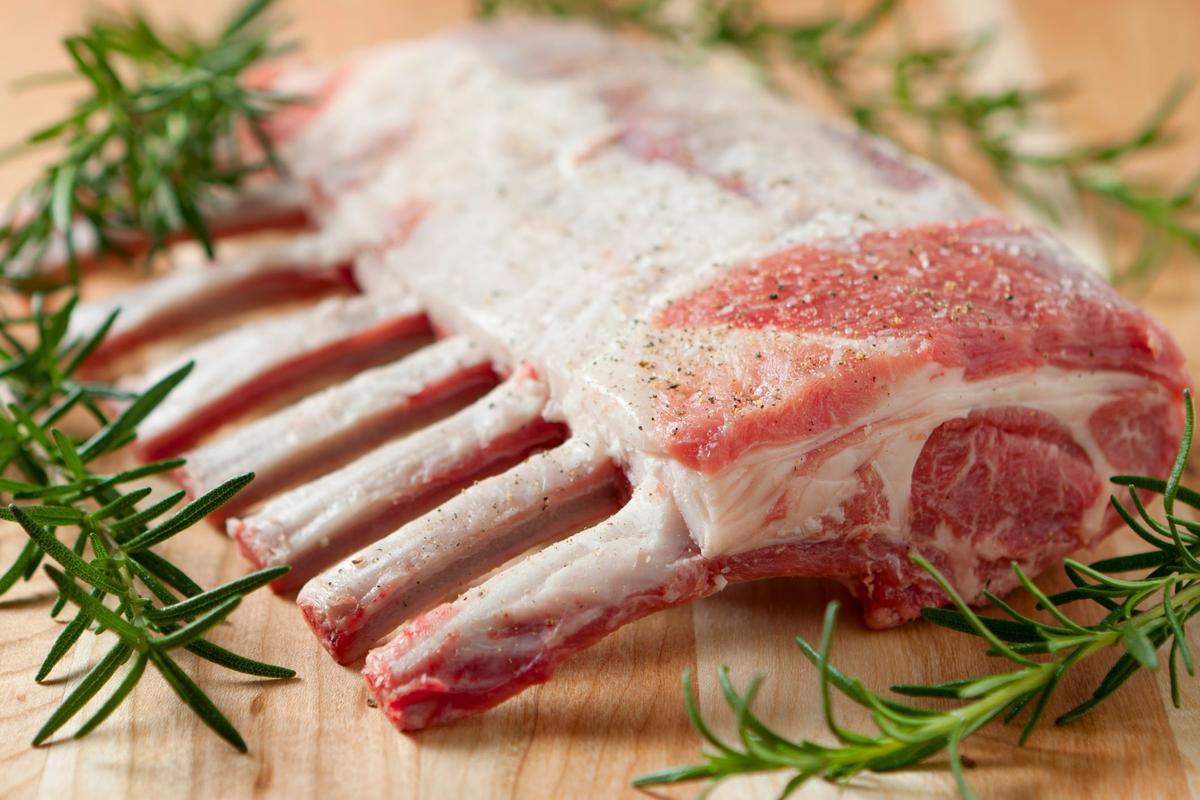
Beef and Lamb Driving Meat Inflation
Why It Matters
Higher beef and lamb costs lift overall food inflation, tightening household budgets and forcing retailers to rethink product mixes.
Key Takeaways
- •Beef roasting joints jumped 9.57% MoM, highest increase.
- •Lamb whole leg rose 11.45% MoM, driving lamb inflation.
- •Overall meat price index up 0.65% MoM, 4.06% YoY.
- •Pork and chicken prices fell, offsetting some inflation pressure.
- •Retail meat costs rising despite lower cattle and pig farm prices.
Pulse Analysis
British beef cuts are feeling the heat. A 9.57% jump in roasting joints translates to roughly $12‑$13 per kilogram, while fillet steak now costs about $60 per kilogram, up from $54 a year ago. The surge reflects not just higher livestock feed costs but also rising wages, diesel, insurance and business rates that ripple through the supply chain. Even as farm‑gate cattle prices dip, retailers are absorbing these pressures, resulting in a 0.65% rise in the overall meat price index for April.
Consumers are bearing the brunt. With meat inflation at 4.06% year‑on‑year—above the 3.4% overall food rate reported by the ONS—households are likely to trim spending on premium cuts or shift toward cheaper proteins. Pork and chicken have provided modest relief, falling 1.39% and 0.22% respectively, yet key chicken items like breast portions are down over 4%, signaling a broader rebalancing of the meat aisle. Ready‑meal manufacturers may also see cost pressures as they add processed ingredients that share the same input cost spikes.
Looking ahead, retailers may adjust assortments, promoting value‑oriented cuts or reformulating ready meals to contain less meat. Some chains could rationalise product ranges, focusing on cuts with steadier margins, while others might pass costs to consumers through higher shelf prices. Policymakers monitoring food‑price volatility should note that supply‑chain inflation—wages, energy and logistics—can sustain higher retail meat prices even when primary commodity costs ease, potentially prompting targeted interventions to protect vulnerable consumers.
Beef and lamb driving meat inflation
Comments
Want to join the conversation?
Loading comments...