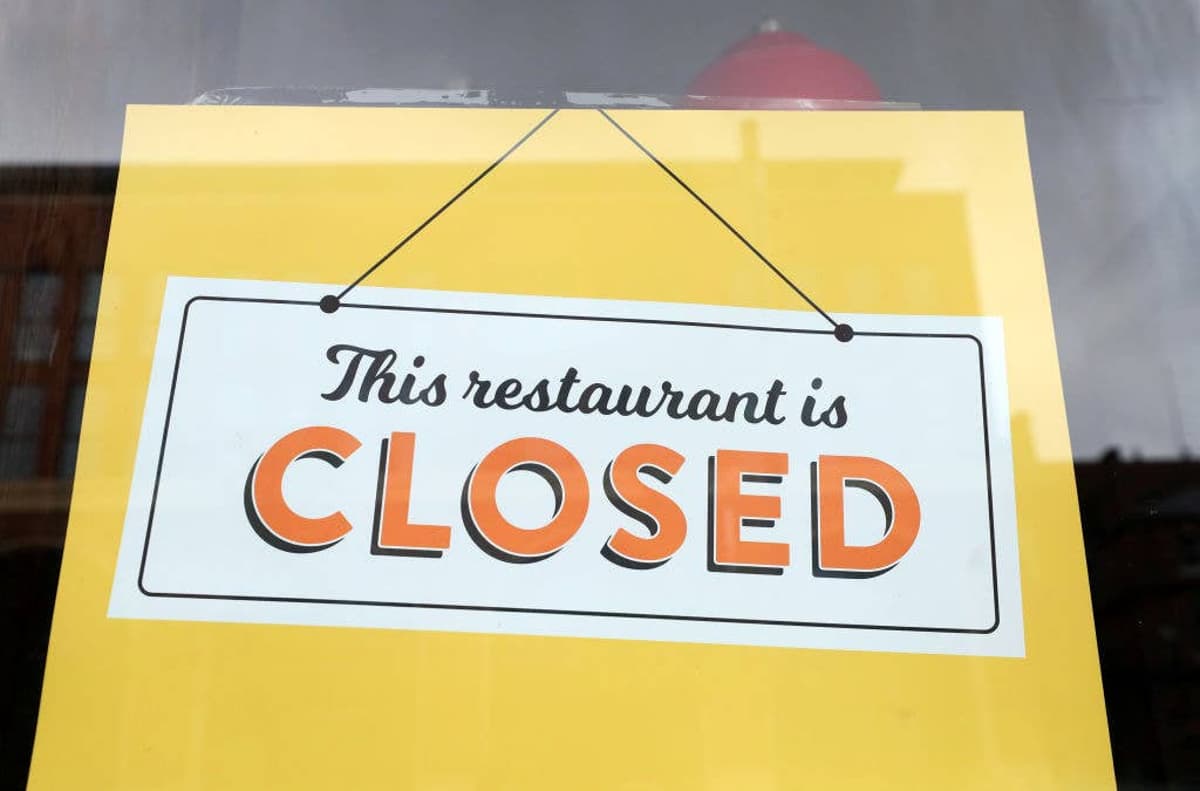
Beloved 42-Year-Old BBQ Chain Is Closing Half of Its Locations
Why It Matters
The contraction underscores how rising rents and high smoking‑tech costs are forcing even legendary BBQ brands to consolidate, signaling tighter margins for the niche restaurant segment.
Key Takeaways
- •Brooklyn location closes, reducing chain from 10 to 5 sites.
- •Closure driven by lease ending, building demolition for apartments.
- •Remaining outlets all located in New York State.
- •Industry trend: rising rents pressure craft BBQ concepts.
- •Gift cards stay valid at the five remaining restaurants.
Pulse Analysis
Dinosaur Bar‑B‑Q’s recent announcement marks a pivotal moment for a brand that helped popularize "craft BBQ" across the Northeast. Founded in 1983 as a mobile concession stand, the chain grew from a single Syracuse shop to ten locations spanning multiple states, earning a reputation for smoked meats and a gritty, biker‑friendly vibe. Its rapid expansion in the 2000s mirrored a broader consumer appetite for authentic, regionally inspired barbecue, positioning the brand as a cultural touchstone in urban food scenes.
The Brooklyn closure is less about sales performance and more about the economics of urban real estate. The lease termination and impending demolition for a new apartment complex illustrate a common dilemma: high‑traffic, heritage restaurants often sit on valuable land that developers covet. Coupled with the labor‑intensive nature of low‑and‑slow smoking and rising ingredient costs, many craft BBQ operators face squeezed profit margins. This environment has already prompted exits in Chicago, Baltimore, New Jersey, and Connecticut, leaving Dinosaur Bar‑B‑Q with a concentrated New York footprint.
For investors and industry observers, the brand’s contraction offers a case study in strategic scaling and risk mitigation. While the remaining five locations retain brand equity and continue honoring gift cards, the company may explore alternative growth models such as ghost kitchens, retail sauce lines, or selective franchising to offset brick‑and‑mortar pressures. The broader takeaway for the restaurant sector is clear: adaptability to real‑estate dynamics and operational efficiency will be decisive factors in sustaining niche culinary concepts amid an increasingly cost‑conscious market.
Beloved 42-Year-Old BBQ Chain Is Closing Half of Its Locations
Comments
Want to join the conversation?
Loading comments...