BENEO and Meatless Publish Consumer Survey Results on Hybrid Meat
Why It Matters
The findings signal a near‑term growth opportunity for food manufacturers to launch hybrid meat products that meet consumer taste and price thresholds, while also delivering sustainability and cost advantages.
Key Takeaways
- •Over 50% of Germans would buy hybrid meat if taste, price satisfy
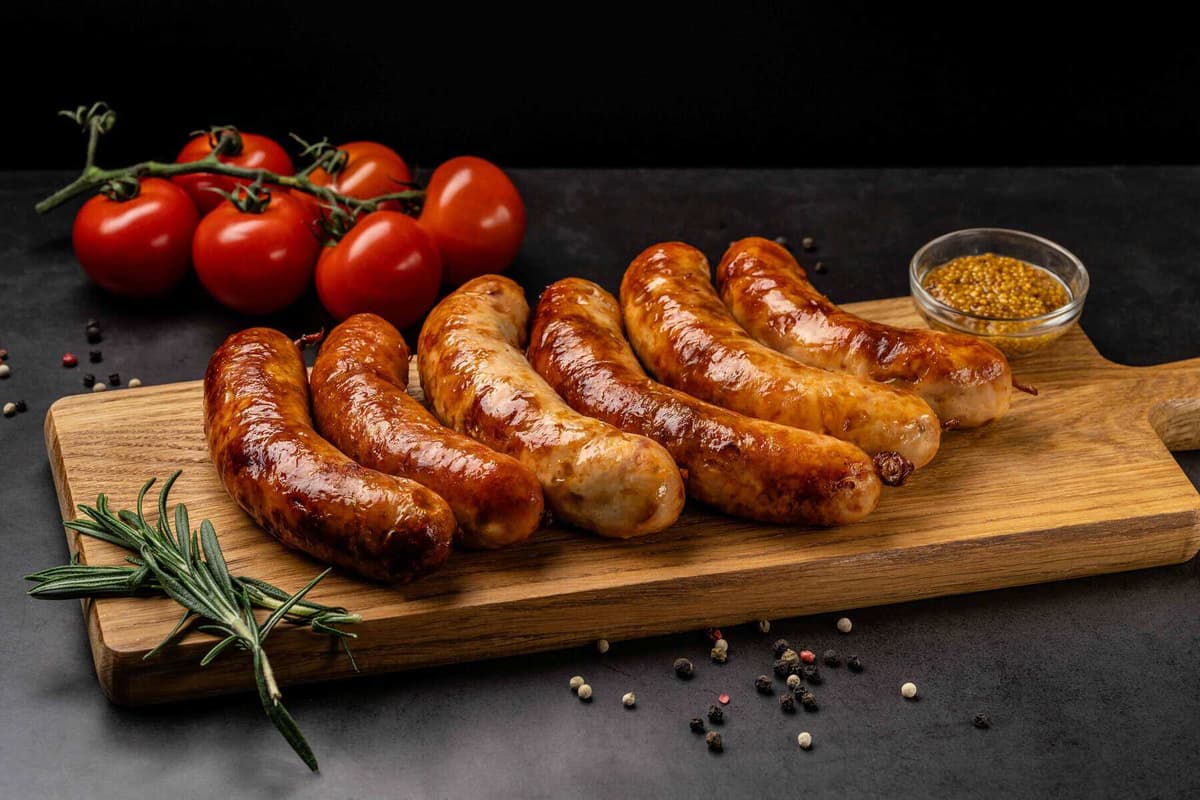
- •Bratwurst leads hybrid formats in Germany, chosen by 52% of respondents
- •Flexitarians make up half of surveyed Germans, indicating strong market demand
- •Hybrid recipes cut cost, CO2 emissions, and saturated fat versus pure meat
- •Quality, certification, and meat origin matter more than plant‑based claims
Pulse Analysis
Hybrid meat, a blend of animal protein and plant‑based ingredients, is gaining traction as flexitarian diets expand across Europe. The BENEO‑Meatless survey shows that German consumers are especially receptive, with more than half willing to try hybrid products provided they deliver familiar taste and competitive pricing. Bratwurst, a cultural staple, tops the preferred formats, suggesting that manufacturers can leverage existing product categories to introduce reduced‑meat variants without alienating traditional palates. This consumer openness aligns with broader trends: rising meat prices, heightened sustainability awareness, and a growing segment of diners seeking to cut meat intake without sacrificing flavor.
For food producers, hybrid formulations present a strategic lever to address cost pressures and environmental targets. By substituting a portion of costly animal protein with legumes, rice or mycoprotein, companies can reduce ingredient expenses, lower CO2 equivalents, and diminish saturated fat levels in the final product. BENEO’s Cost Calculator quantifies these gains, showing that hybrid recipes can achieve measurable savings while maintaining nutritional quality. Moreover, the emphasis on quality certifications and meat origin in the survey underscores the importance of transparent labeling, which can build trust among skeptical shoppers and differentiate premium hybrid lines.
Looking ahead, the hybrid market is poised for rapid scaling as supply‑chain constraints and consumer demand converge. Investors are watching the space closely, noting that early entrants like Meatless have the advantage of proprietary technology and established ingredient portfolios. As retailers allocate shelf space to hybrid options, brands will need to balance price points with sensory performance to capture the flexitarian segment. Continued innovation—such as optimizing texture, flavor release, and clean‑label claims—will be critical to sustain momentum and translate survey enthusiasm into lasting sales growth.
BENEO and Meatless Publish Consumer Survey Results on Hybrid Meat
Comments
Want to join the conversation?
Loading comments...