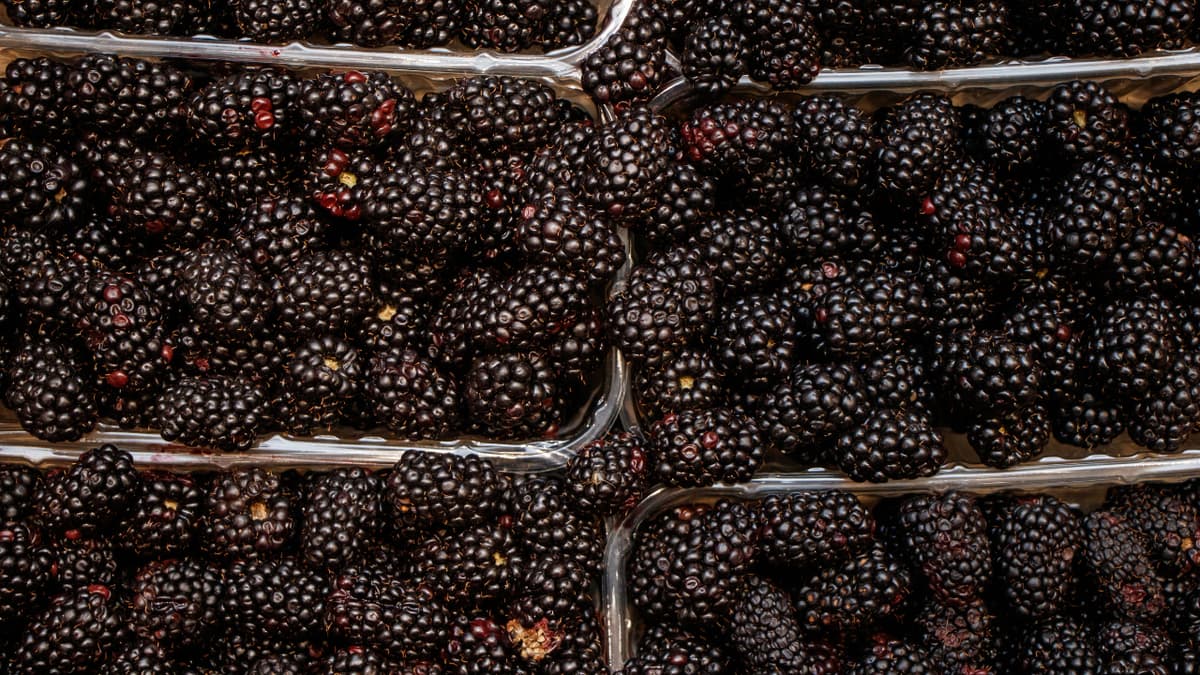
Blackberries Now Among Produce with Highest Traces of Pesticides
Why It Matters
The inclusion of blackberries signals expanding pesticide exposure across popular fruits, prompting consumer caution and potential shifts toward organic options. It also underscores growing regulatory scrutiny of PFAS chemicals in the food supply chain.
Key Takeaways
- •Blackberries entered EWG Dirty Dozen at #9
- •PFAS fungicide fludioxonil found in 14% of produce
- •Spinach remains top pesticide‑contaminated produce
- •Clean Fifteen shows 60% of items pesticide‑free
- •Three PFAS chemicals rank among top ten detected pesticides
Pulse Analysis
The Environmental Working Group’s Dirty Dozen has long served as a barometer for pesticide risk in the American diet, and this year’s report raises fresh alarms. By mining USDA residue data, the EWG identified that three PFAS‑based pesticides—fludioxonil, fluopyram and bifenthrin—now dominate the top‑ten list, reflecting the broader infiltration of “forever chemicals” into conventional agriculture. Blackberries, a fast‑growing berry market, appeared at No. 9, highlighting that even low‑pesticide‑profile fruits are not immune to contamination, a concern that could drive tighter testing standards and consumer advocacy.
Consumers are responding to these findings by gravitating toward the Clean Fifteen, where 60 % of items showed no detectable residues. This shift fuels demand for organic and minimally processed produce, prompting retailers to expand shelf space for certified organic berries, leafy greens, and other low‑pesticide options. The heightened awareness also pressures foodservice operators to disclose sourcing practices, potentially reshaping supply contracts and pricing dynamics as growers adopt integrated pest‑management strategies to retain market share.
For growers and the broader supply chain, the surge in PFAS detections signals a need for proactive mitigation. Investment in alternative fungicides, precision‑agriculture tools, and rigorous residue monitoring can reduce reliance on persistent chemicals. Policymakers may soon consider stricter limits on PFAS use, mirroring actions taken in water and consumer‑product regulations. Companies that adapt early—by adopting transparent testing, diversifying pest‑control methods, and communicating safety measures—stand to gain consumer trust and competitive advantage in an increasingly health‑conscious market.
Blackberries now among produce with highest traces of pesticides
Comments
Want to join the conversation?
Loading comments...