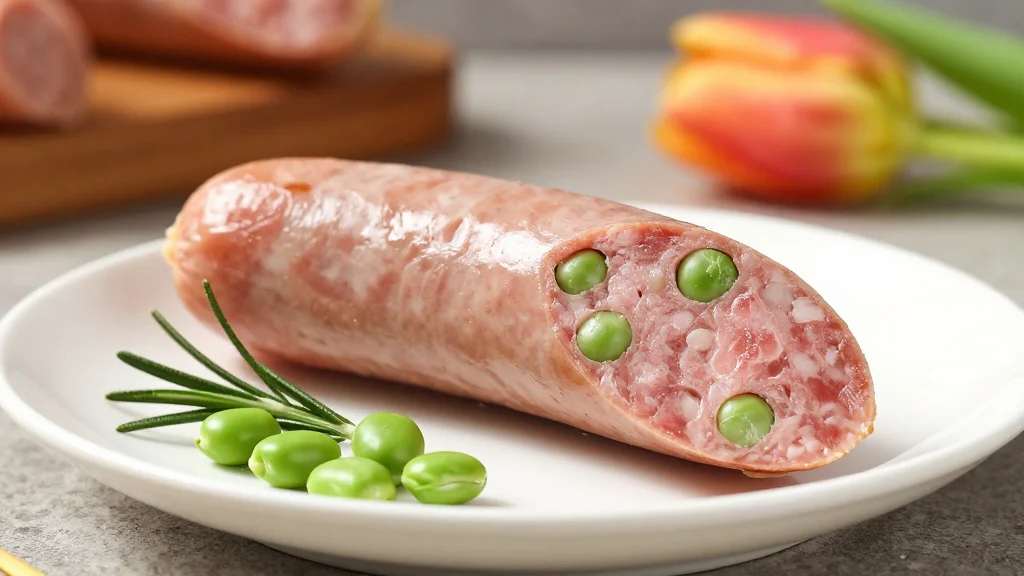
Blended Proteins 4% Cheaper Than Meat As Supermarkets Drive Category in Netherlands
Why It Matters
The price advantage and nutritional gains accelerate the protein transition, giving retailers a cost‑effective way to meet sustainability targets while appealing to price‑sensitive consumers.
Key Takeaways
- •Private-label SKUs dominate: 91% of blended proteins sold by supermarkets
- •Blended meats average 4.4% cheaper, about $1.38 per kg less
- •Sausages (32%) and burgers (29%) lead blended meat formats
- •Fava beans in 55% of blends boost fiber fivefold
- •55% match Nutri‑Score; 35% achieve higher rating than animal
Pulse Analysis
The Netherlands is emerging as a testing ground for blended proteins, a category that mixes modest amounts of plant‑based ingredients with traditional meat or dairy. Foodvalley’s analysis of 115 products shows an average price gap of 4.4%—about $1.38 per kilogram—making these hybrids a compelling alternative amid rising animal‑protein costs. Beyond price, the inclusion of fava beans and sugar beet fibre lifts dietary fibre fivefold and often improves Nutri‑Score, positioning blended items as healthier options without sacrificing familiar textures.
Supermarket private labels are the engine of this shift, accounting for 91% of all SKUs. Chains such as Jumbo, Albert Heijn, Lidl and Aldi have rolled out extensive ranges, with Jumbo alone holding a 44% market share. Sausages (32% of launches) and burgers (29%) dominate formats, reflecting consumer demand for familiar protein vehicles. The sector expects a doubling of blended meat SKUs within twelve months, driven by retailers’ sustainability pledges and the need to offset volatile meat prices. Packaging communication remains subtle—70% list plant components only on the back—yet products that highlight the blend on both sides tend to contain higher plant fractions.
For the broader food industry, the Dutch experience signals a scalable pathway to reduce carbon footprints while maintaining price competitiveness. As regulatory scrutiny over naming conventions intensifies, clear labeling will become crucial for consumer trust. The partnership between Foodvalley and U.S. non‑profit Food System Innovations suggests the model could migrate to North America and Asia, where cost‑conscious shoppers and sustainability goals intersect. Companies that master the balance of taste, cost, and transparent messaging are poised to capture a growing segment of the protein market worldwide.
Blended Proteins 4% Cheaper Than Meat As Supermarkets Drive Category in Netherlands
Comments
Want to join the conversation?
Loading comments...