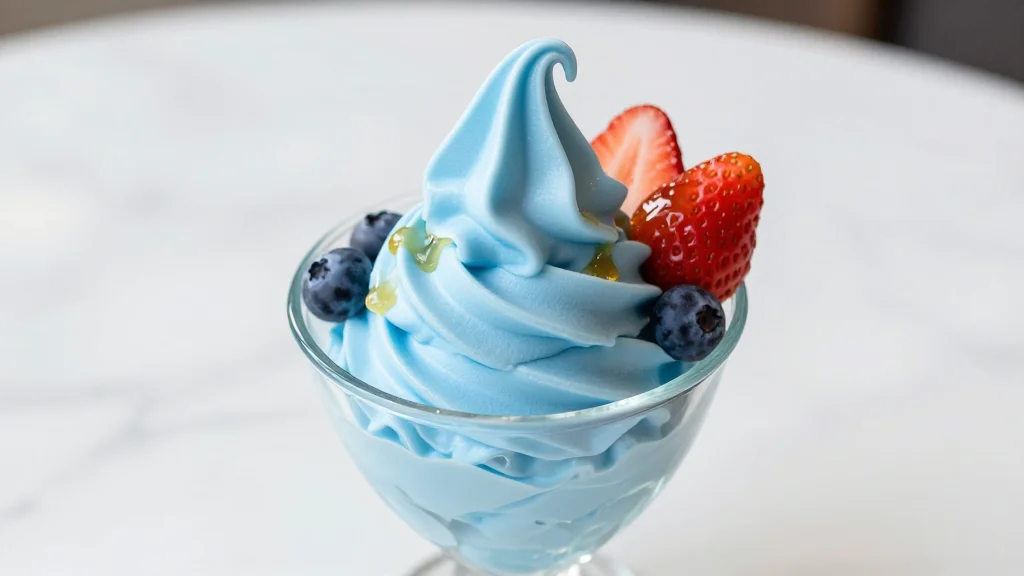
Blue Bunny Introduces Recipe Reformulations
Companies Mentioned
Why It Matters
The shift to natural ingredients aligns Blue Bunny with health‑focused consumer trends, helping it retain relevance against competitors launching clean‑label frozen treats. It also positions the brand to capitalize on potential premium pricing and regulatory headwinds around added sugars.
Key Takeaways
- •Blue Bunny soft and mini swirls now use natural colors and flavors
- •High‑fructose corn syrup eliminated from both frozen novelties
- •Reformulations align with growing consumer demand for cleaner labels
- •Blue Bunny positions the changes as part of its portfolio refresh strategy
- •Updated recipes aim to retain taste while appealing to health‑conscious shoppers
Pulse Analysis
Blue Bunny’s decision to strip high‑fructose corn syrup and replace artificial colors with natural alternatives reflects a broader shift in the frozen dessert market toward cleaner‑label products. Millennials and Gen Z shoppers increasingly scrutinize ingredient lists, favoring brands that promise transparency and fewer synthetic additives. By reformulating its Soft and Mini Swirl lines, Wells Enterprises taps into this demand without overhauling the core flavor profile that has made the brand a household name for decades. The move also pre‑empts potential regulatory pressures as U.S. agencies consider stricter labeling rules for added sugars.
The reformulation also serves a strategic purpose within Blue Bunny’s portfolio management. By updating two of its most recognizable novelties, the brand signals a commitment to innovation while preserving the nostalgic experience that drives repeat purchases. This approach can protect market share against emerging competitors that launch “all‑natural” frozen treats, many of which target premium retail channels. Moreover, the cost impact of removing high‑fructose corn syrup may be offset by premium pricing opportunities, as consumers are often willing to pay more for perceived healthier options.
Industry analysts view Blue Bunny’s ingredient swap as a bellwether for the frozen dessert segment at large. As supply chains adapt to source natural colorants and fruit‑derived flavors, manufacturers can achieve scale economies that lower the price gap with conventional formulas. The move also aligns with sustainability narratives, since many natural ingredients have smaller carbon footprints than synthetic counterparts. If consumer response proves positive, we can expect other legacy brands to accelerate similar clean‑label initiatives, potentially reshaping shelf space dynamics in supermarkets and driving further innovation in dairy‑based treats.
Blue Bunny introduces recipe reformulations
Comments
Want to join the conversation?
Loading comments...