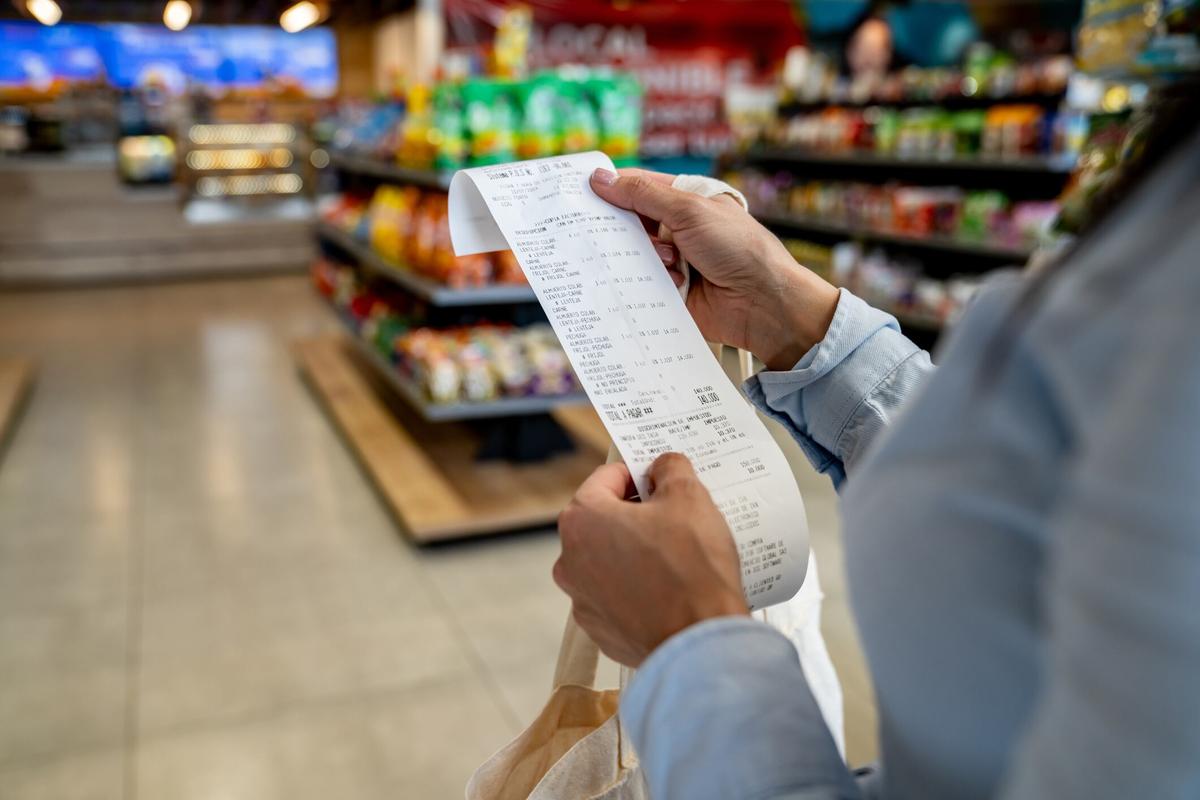
Brits Ditching Certain Foods as They Face £6K Annual Grocery Bill
Why It Matters
The sharp rise in grocery costs erodes disposable income and forces consumers to alter spending habits, putting pressure on retailers and potentially dampening broader economic growth.
Key Takeaways
- •Food inflation expected to hit 9% by year‑end, double prior forecast
- •Average UK household spends $149 weekly on groceries, over $7,500 annually
- •61% of shoppers cut back on snacks, meat, or alcohol
- •Loyalty programs and own‑brand swaps used by over half of shoppers
- •Larger families face $20‑$30 weekly price hikes versus two years ago
Pulse Analysis
Food inflation in the United Kingdom is accelerating toward a 9% year‑end rate, a figure that far exceeds the 3% originally projected by the Food and Drink Federation. The spike is largely attributed to the ongoing Iran conflict, which has disrupted global commodity flows and pushed input costs for meat, dairy and other staples higher. For the average British household, this translates to a weekly grocery bill of about $149, or more than $7,500 annually – a 23% increase that outpaces the broader economy’s 6‑8% inflation. Larger families feel the impact even more acutely, seeing weekly expenses rise $20‑$30 compared with two years prior.
Consumers are reacting by tightening belts and reshaping their purchasing habits. A recent Confused.com survey shows 61% of shoppers have reduced spending on discretionary items such as snacks, fresh meat and alcohol. At the same time, over half are leveraging loyalty programs, switching to cheaper own‑brand products, and scrutinizing unit prices to stretch every pound. Online grocery ordering, already used by one in five households, is gaining traction as shoppers seek price‑sorting tools and fewer impulse buys. However, the rise of AI‑driven recommendation engines could marginalise certain brands if algorithms favour lower‑priced competitors.
The broader economic implications are significant. Persistent pressure on food budgets curtails discretionary spending on leisure, travel and debt repayment, potentially slowing consumer‑driven growth. Retailers that rely on impulse purchases may see margins compress, prompting a shift toward value‑oriented assortments and stronger promotional strategies. Policymakers may need to consider targeted interventions, such as temporary subsidies or tax relief for essential food items, to mitigate the social fallout of sustained high food inflation. The coming months will test how quickly supply‑chain disruptions ease and whether consumer adaptation can stabilize the market.
Brits ditching certain foods as they face £6K annual grocery bill
Comments
Want to join the conversation?
Loading comments...