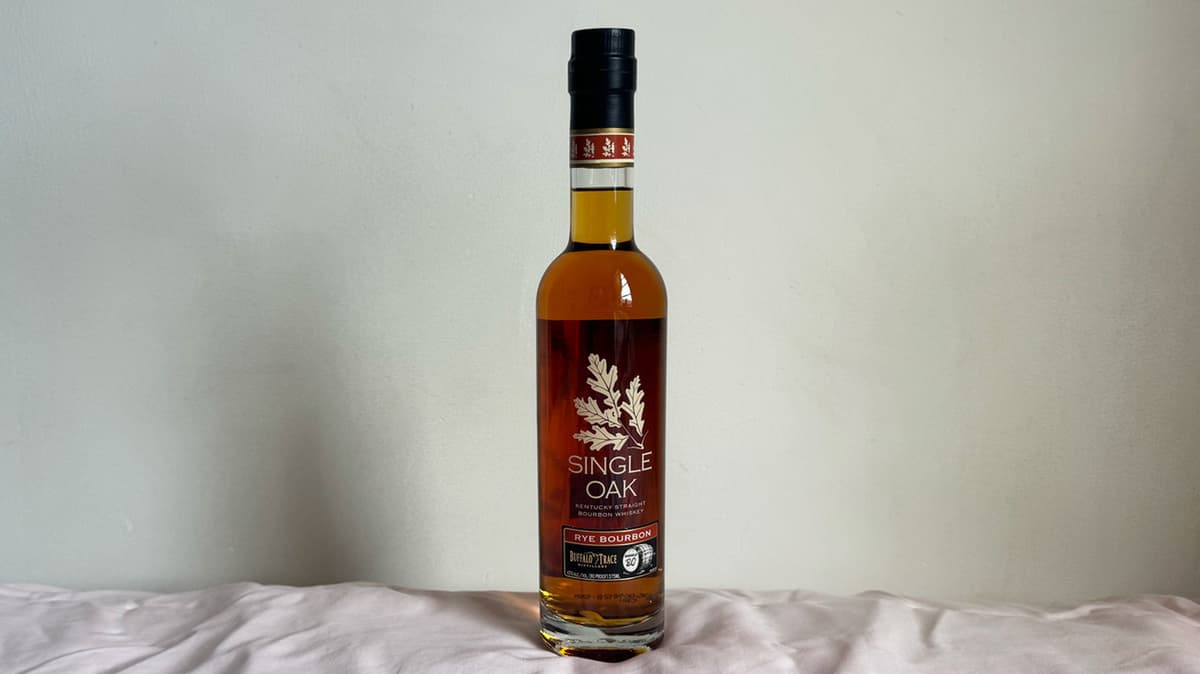
Buffalo Trace's Single Oak Experiment Is A Big Win For Whiskey Lovers' Wallets
Why It Matters
The release proves that premium, single‑source whiskies can be priced accessibly, expanding the market for collectors and casual drinkers alike. It also signals a shift toward storytelling‑driven product strategies in the spirits industry.
Key Takeaways
- •Barrel 80 selected from 1,396 entries, priced $75 for 375 ml
- •Uses wood from a single Ozark oak, bottom half, 13 rings/inch
- •Aged eight years, 125 proof, No. 4 char, concrete storage
- •Affordable rare release, encourages sharing over hoarding
Pulse Analysis
Buffalo Trace’s Single Oak experiment, launched in 1999, is a rare example of a distillery committing to a single‑tree, single‑barrel approach. By selecting 96 white oaks based on ring density and splitting each tree into top and bottom halves, the brand produced 192 distinct whiskies. Barrel 80, the winning entry from the bottom half of a tree with 13 rings per inch, showcases how meticulous wood selection can influence flavor, delivering a balanced profile of oak, honey, caramel, and subtle spice. This level of granularity is uncommon in mainstream bourbon production, positioning Buffalo Trace as an innovator in craft‑spirit sourcing.
The market impact of barrel 80 is notable for its price‑point. At $75 for a 375‑ml bottle, it undercuts many limited‑edition releases that often exceed $150, making a collectible experience more attainable. This affordability encourages enthusiasts to purchase, taste, and share rather than merely store the bottle, aligning with a growing consumer preference for experiential drinking. Moreover, the rarity—selected from 1,396 contenders—adds a narrative hook that fuels word‑of‑mouth marketing and social media buzz, driving both primary sales and secondary market activity.
Industry observers see the Single Oak model as a blueprint for future whiskey innovation. As consumers seek authenticity and provenance, distilleries are experimenting with single‑source barrels, varied aging environments, and transparent storytelling. Buffalo Trace’s success may inspire competitors to adopt similar single‑tree projects, potentially reshaping premium whiskey portfolios. Continued experimentation could lead to new flavor profiles, tighter supply chains, and a deeper connection between brand heritage and consumer expectations, reinforcing the premium spirit sector’s evolution toward curated, story‑rich products.
Buffalo Trace's Single Oak Experiment Is A Big Win For Whiskey Lovers' Wallets
Comments
Want to join the conversation?
Loading comments...