Building Circularity at Scale: How Beverage Bottlers Are Powering India’s Recycling Ecosystem
Why It Matters
The mandatory EPR and rPET rules force producers to internalize recycling costs, accelerating the shift toward a circular plastics economy and creating new business opportunities for recyclers and sustainable packaging innovators.
Key Takeaways
- •India drinks market $14.95B, 7.36% CAGR to 2030
- •250‑300 million bottles consumed daily; 70‑80 million water bottles
- •EPR mandates 40% recycled PET in rigid packaging from Apr 2026
- •Coca‑Cola India launches 100% rPET bottles, exceeding regulations
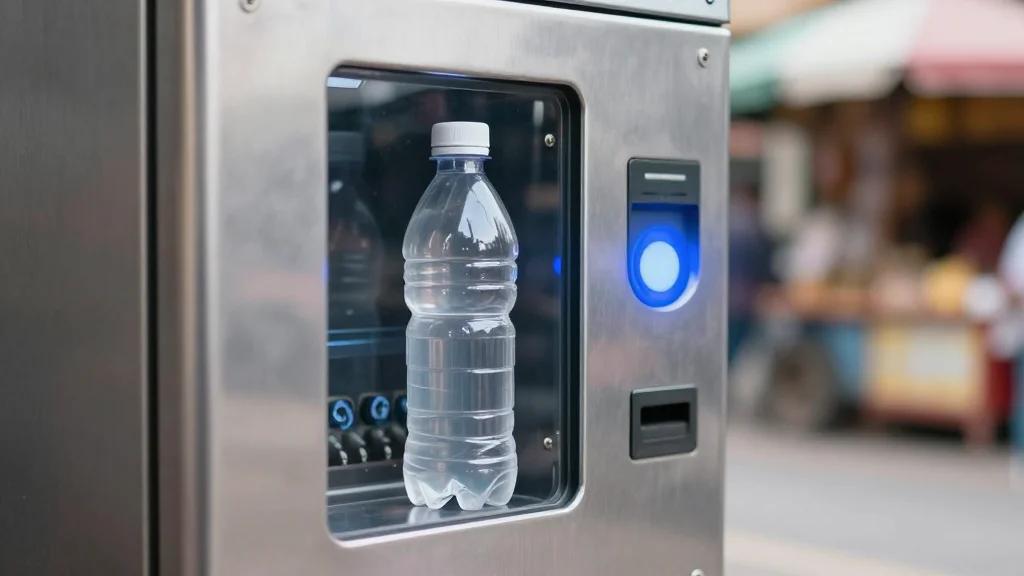
- •Reverse‑vending machines incentivize returns, supporting Swachh Bharat
Pulse Analysis
The Indian non‑alcoholic beverage sector has become a powerhouse, valued at roughly $15 billion in 2024 and projected to expand at a 7.4 % compound annual growth rate through 2030. Daily consumption of 250‑300 million plastic bottles—dominated by 70‑80 million water bottles—creates a massive waste stream that the government is forcing into a circular model. Recent amendments to the Plastic Waste Management Rules and the introduction of the rPET mandate signal a decisive shift from linear disposal toward mandatory recycled content, aligning India with global sustainability standards.
Extended Producer Responsibility (EPR) sits at the core of this transition, obligating producers, importers and brand owners to collect and recycle the containers they sell. The 2026 rule requiring a minimum of 40 % recycled PET in rigid packaging, rising each year, pushes manufacturers to redesign supply chains. Leading bottlers have responded swiftly; Coca‑Cola India now ships 100 % rPET bottles for flagship brands, well above the baseline. Partnerships with certified recyclers and the rollout of reverse‑vending machines are expanding the domestic recycling infrastructure at unprecedented speed.
Consumer participation is the final piece of the puzzle. Incentive‑based collection points at railway stations, temples and tourist hubs turn everyday disposal into a rewarding activity, reinforcing the Swachh Bharat Mission and bolstering ESG credentials for participating firms. As more brands embed EPR into their sustainability strategies, the volume of high‑quality rPET feedstock will rise, lowering costs and encouraging further innovation in lightweight, food‑safe packaging. In the long term, a robust circular ecosystem could reduce India’s plastic footprint dramatically while unlocking new revenue streams for recyclers and bottlers alike.
Building circularity at scale: How beverage bottlers are powering India’s recycling ecosystem
Comments
Want to join the conversation?
Loading comments...