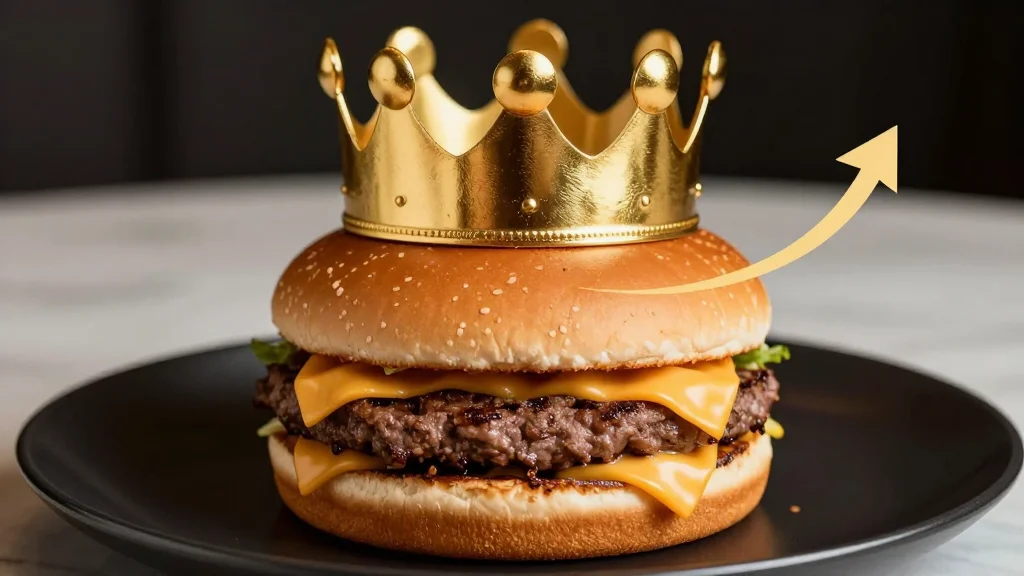
Burger King Is Having a Moment

Why It Matters
The turnaround signals that strategic investment and digital buzz can revive a legacy fast‑food brand, reshaping competitive dynamics and attracting investor confidence.
Key Takeaways
- •Burger King’s sales rebound after extensive refranchising.
- •President’s viral video boosted brand visibility.
- •Investment in operations reduced cost per unit.
- •Competitors face slowing growth and franchise bankruptcies.
- •Market dynamics favor agile, marketing‑driven chains.
Pulse Analysis
The U.S. quick‑service restaurant sector remains under pressure from rising fuel costs, lingering inflation and shifting consumer habits. Full‑service concepts feel the pinch more acutely, while even heavyweight chains see growth decelerate; Chick‑fil‑A’s unit volumes have plateaued and a major Carl’s Jr. franchisee recently filed for bankruptcy. In this environment, brand relevance hinges on cost control and the ability to capture attention without relying on price wars. Burger King, long perceived as the smaller rival to McDonald’s, has been forced to reinvent its playbook.
Over the past three years Burger King embarked on an aggressive refranchising program, converting company‑owned stores to franchisees and unlocking capital for store upgrades. Parallel operational initiatives trimmed labor expenses and standardized kitchen workflows, delivering a lower cost per unit. The chain also rolled out a series of high‑impact advertising bursts, culminating in a surprise appearance by its president that went viral on social media, generating millions of organic impressions. Early sales data show double‑digit same‑store sales growth in several regions, suggesting the combined tactics are resonating with price‑sensitive diners.
Analysts view the resurgence as a potential lever to close the performance gap with McDonald’s, especially as the latter leans heavily on menu diversification and delivery partnerships. For investors, Burger King’s refreshed franchise model and heightened brand visibility reduce operational risk and improve cash flow predictability. However, the broader industry must still navigate external headwinds—volatile gas prices, labor shortages, and the maturation of previously high‑growth brands. If Burger King can sustain its momentum, it may set a template for other legacy chains seeking growth amid a tightening consumer landscape.
Burger King is having a moment
Comments
Want to join the conversation?
Loading comments...