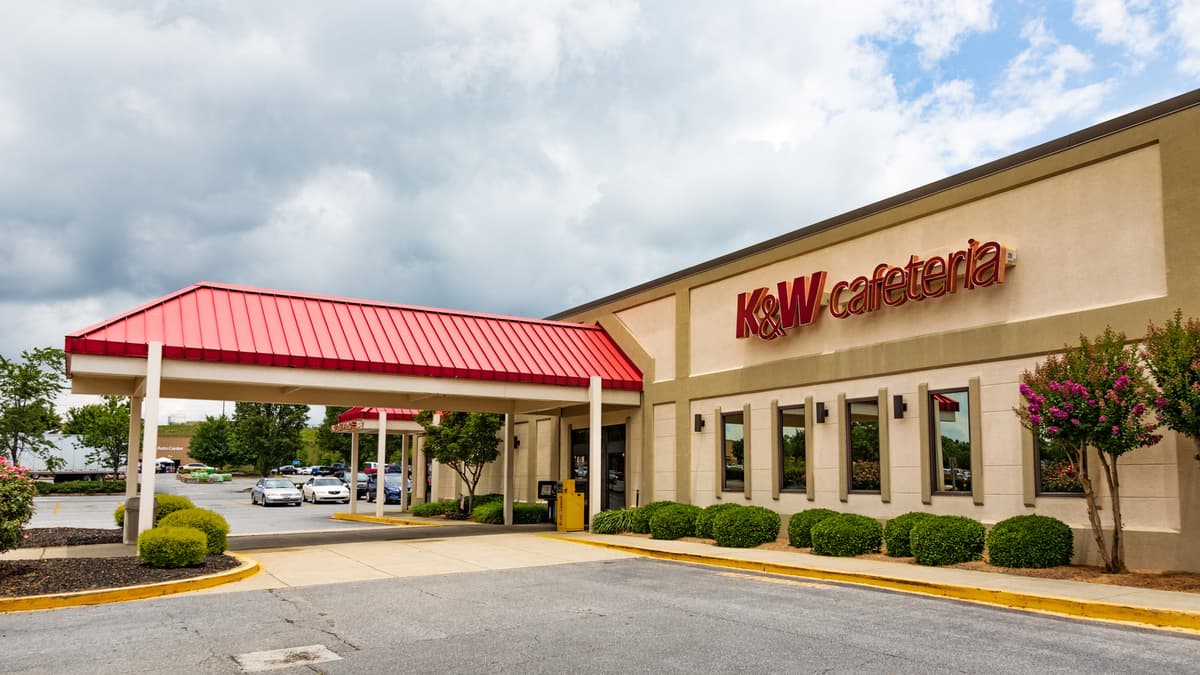
Cafeterias Were Once A Southern Staple For Families And Communities. What Happened To Them?
Why It Matters
The downturn illustrates how shifting consumer preferences and cost pressures can upend legacy dining formats, signaling broader challenges for regional restaurant concepts.
Key Takeaways
- •1960s fast‑food rise began eroding Southern cafeteria patronage.
- •1990s fast‑casual surge accelerated cafeteria closures.
- •Cost‑cutting to frozen foods lowered quality, driving customers away.
- •Surviving chains like Luby’s rely on brand nostalgia and limited locations.
Pulse Analysis
In the post‑World War II era, Southern cafeterias thrived by pairing affordable, tray‑served comfort food with a communal atmosphere. Chains such as K&W and Luby’s capitalized on regional dishes—fried chicken, collard greens, cornbread—offering a homestyle alternative to full‑service restaurants. Their low‑overhead model, built around high‑volume, repeatable menus, made them cultural hubs for families and small towns across the South, reinforcing local culinary identity while keeping meals inexpensive.
The first cracks appeared in the 1960s when national fast‑food brands introduced speed and standardized pricing that appealed to time‑pressed diners. By the 1990s, fast‑casual concepts like Panera and Chipotle added perceived quality and customization, further siphoning traffic. Cafeterias responded by slashing expenses, often substituting fresh fare with frozen or canned items. The resulting dip in food quality eroded the very value proposition that had sustained loyal patrons, accelerating closures across the region.
Today, the lingering presence of a handful of cafeteria chains underscores a broader lesson for the restaurant industry: legacy formats must evolve or risk obsolescence. Operators are experimenting with nostalgia‑driven pop‑ups, hybrid service models, and menu innovation that blends traditional Southern flavors with contemporary trends. For investors and restaurateurs, the cafeteria story highlights the importance of aligning cost structures with consumer expectations while preserving authentic regional appeal.
Cafeterias Were Once A Southern Staple For Families And Communities. What Happened To Them?
Comments
Want to join the conversation?
Loading comments...