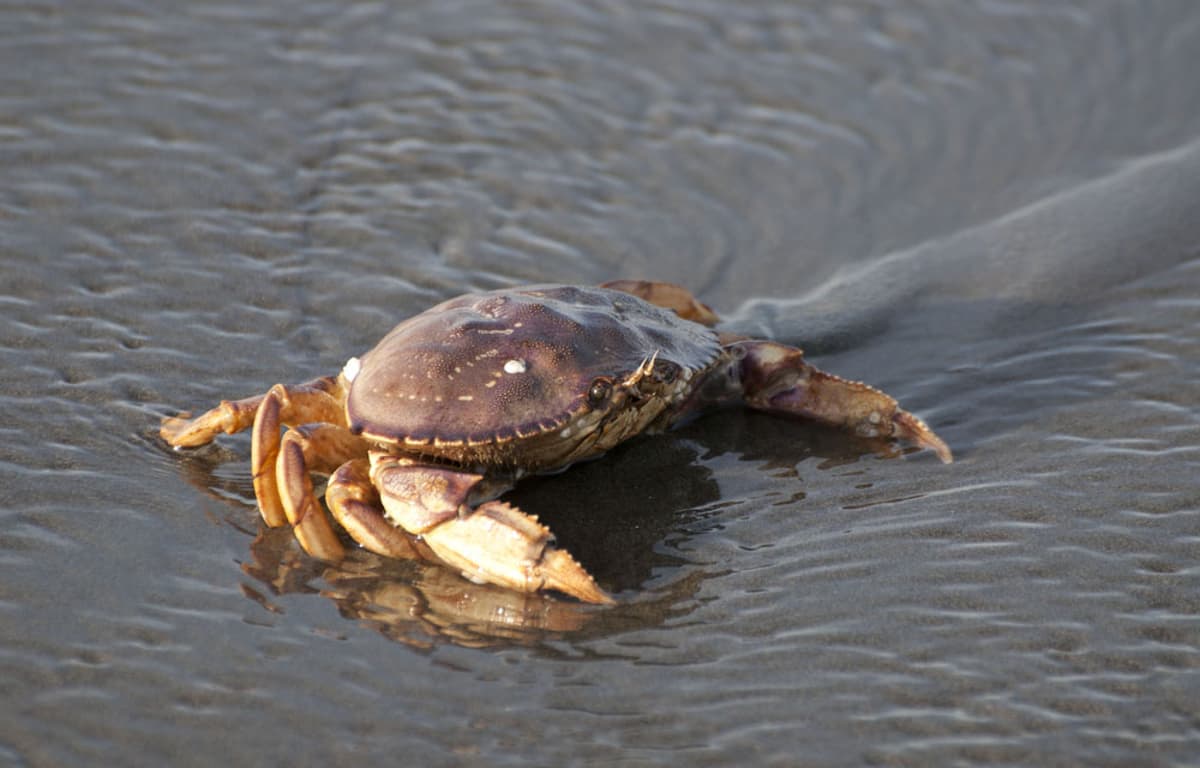
California Set to Close More of Dungeness Crab Fishery to Traditional Gear, but Harvesters Can Keep Hauling Traps with Pop-Up Gear
Why It Matters
The measure safeguards a multi‑billion‑dollar crab industry while reducing whale‑crab conflict, illustrating how adaptive regulation can align economic and conservation goals.
Key Takeaways
- •Zone 3 closes to traditional gear on April 30, pop‑up gear allowed May 7.
- •Pop‑up gear eliminates vertical lines, cutting whale entanglement risk.
- •2025 pilot harvested 217,000 lb crab, 98% gear reliability.
- •Zones 1‑2 keep traditional gear but add 30‑fathom depth limit.
- •Extended spring season supports crab market while protecting endangered whales.
Pulse Analysis
California’s Dungeness crab fishery, a cornerstone of the state’s coastal economy, faces a seasonal clash with migrating whales in Fishing Zone 3. As whale numbers rise, the California Department of Fish and Wildlife (CDFW) has acted preemptively, shutting down traditional crab traps that use vertical lines—a known entanglement hazard. By limiting conventional gear, regulators aim to prevent costly whale injuries and potential shutdowns of the fishery, preserving both biodiversity and the livelihoods of thousands of coastal workers.
The alternative, pop‑up fishing gear, was approved in a pilot program that began two years ago. Unlike standard traps, pop‑up gear retracts its lines when not in use, dramatically lowering the chance of a whale becoming snagged. Participants reported hauling over 217,000 pounds of crab in 2025 with a 98 percent reliability rate, proving the technology’s commercial viability. The gear’s success has encouraged CDFW to extend its use through mid‑July, even as the broader fishery remains closed, offering a pragmatic bridge between conservation and profit.
Beyond California, the pop‑up model could reshape fisheries worldwide that grapple with marine mammal interactions. By demonstrating that innovative gear can sustain catch volumes while mitigating ecological risk, the state sets a precedent for policy‑driven innovation. As other jurisdictions observe the economic and environmental outcomes, similar gear‑swap initiatives may emerge, fostering a new era of sustainable, low‑impact commercial fishing. The balance struck here underscores the growing importance of adaptive management in meeting both market demand and conservation imperatives.
California set to close more of Dungeness crab fishery to traditional gear, but harvesters can keep hauling traps with pop-up gear
Comments
Want to join the conversation?
Loading comments...