Can Brewed Milk Become Baristas’ Next Staple?
Companies Mentioned
Why It Matters
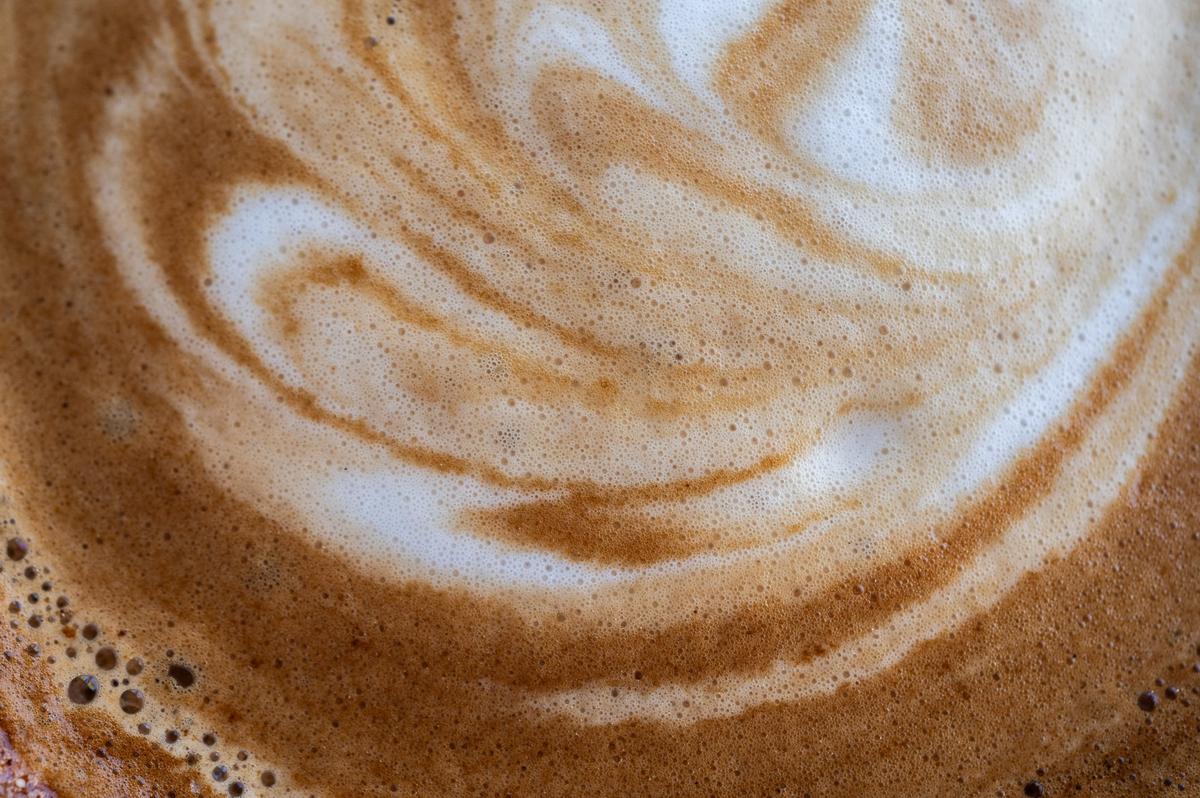
Extended foam stability enhances the premium coffee experience, giving cafés a tangible differentiator in a crowded market and tapping into growing consumer demand for natural, minimally processed dairy.
Key Takeaways
- •Non‑homogenised milk yields foam lasting up to 20 minutes
- •Mossgiel milk is pasteurised, preserving raw‑style flavor
- •Organic, grass‑fed source appeals to sustainability‑focused consumers
- •Currently limited to door‑to‑door delivery, scaling potential high
Pulse Analysis
The specialty coffee sector has long chased the perfect latte, and milk is emerging as the new battleground. While traditional whole and semi‑skimmed milks dominate most cafés, a surge in consumer interest for natural, less‑processed foods is driving baristas to experiment with non‑homogenised milk. This milk retains a higher cream layer, delivering a richer mouthfeel and a denser micro‑foam that holds its shape longer. The shift mirrors broader trends where shoppers gravitate toward products that promise authenticity, such as raw‑milk‑style beverages, without the regulatory hurdles of true raw milk.
From a technical standpoint, non‑homogenised milk offers distinct advantages for espresso‑based drinks. Its elevated fat content creates a more cohesive foam matrix, allowing latte art to stay crisp and the crema to remain silky for up to twenty minutes—significantly longer than the typical thirty‑second window with conventional milks. Baristas, however, must adapt their steaming technique, extending the stretch phase and shaking the bottle to redistribute the cream layer. The result is a premium cup that retains visual appeal and texture, enhancing perceived value and encouraging repeat visits from discerning coffee enthusiasts.
Market implications are compelling. Modern Milkman's introduction of Mossgiel’s Organic Brewed Whole Milk—an organic, grass‑fed product processed to eliminate pathogens—positions the brand at the intersection of safety, sustainability, and premium quality. Though distribution is presently niche, the product aligns with the growing demand for “barista‑style” dairy and could see rapid expansion through wholesale channels, specialty coffee roasters, and boutique cafés. If adoption scales, non‑homogenised milk may become a new standard, reshaping supply chains and prompting dairy producers to diversify offerings to meet the evolving expectations of both baristas and consumers.
Can brewed milk become baristas’ next staple?
Comments
Want to join the conversation?
Loading comments...