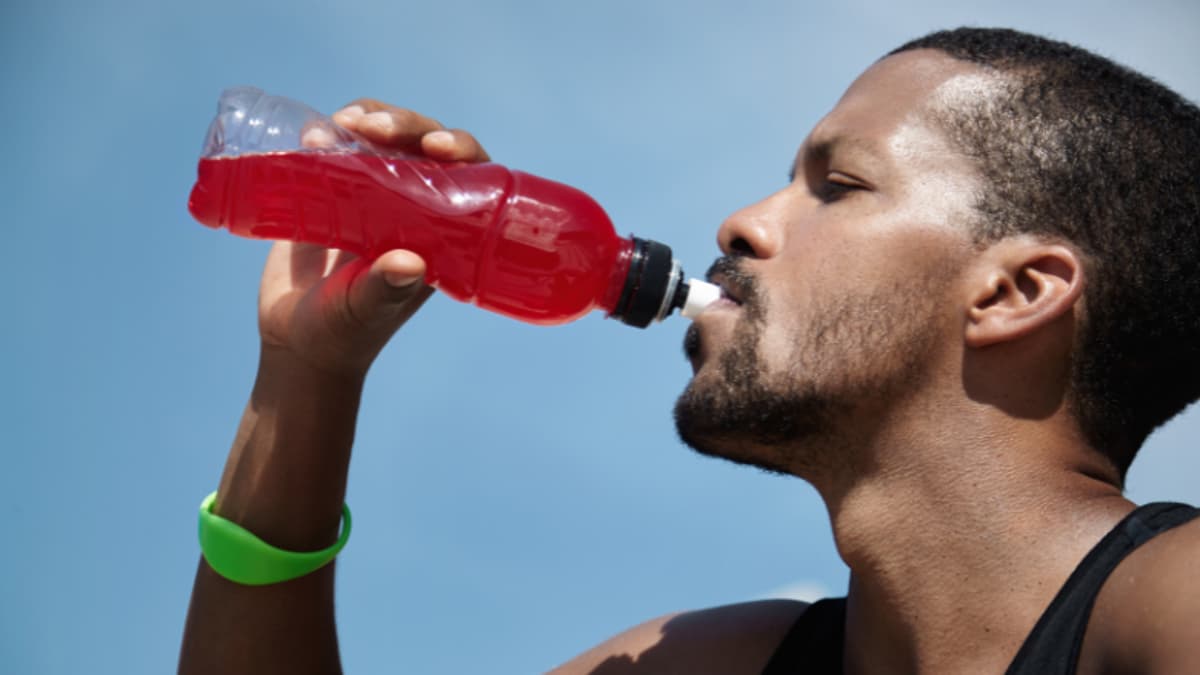
Canada Reclassifies Sports Drinks as Foods
Why It Matters
The reclassification streamlines oversight, giving manufacturers a clearer path to market and enhancing label transparency for consumers. It also aligns Canada’s approach with international food‑safety standards, potentially affecting trade and product development strategies.
Key Takeaways
- •Sports drinks reclassified from NHPs to foods under Canadian law
- •Transition deadline set for existing product NPNs: Dec 31 2027
- •New products must meet Food and Drug Regulations, no pre‑market submission
- •Supplemented‑food rules apply to electrolyte drinks with added minerals
- •ORS products stay under NHP framework, separate from sports drinks
Pulse Analysis
Health Canada’s decision to reclassify sports electrolyte products reflects a broader trend of aligning regulatory categories with how products are marketed and consumed. By moving ready‑to‑drink beverages, powders and effervescent tablets into the food domain, the agency aims to eliminate the regulatory gray area that previously required manufacturers to navigate the Natural Health Product (NHP) system. This change brings consistency to labeling, claims, and safety assessments, ensuring that products advertised for "hydration" or "electrolyte replacement" meet the same standards as other fortified foods.
For manufacturers, the transition presents both operational challenges and opportunities. Existing products bearing Natural Product Numbers must be updated or re‑licensed by the end of 2027, prompting companies to audit formulations, packaging and marketing language to comply with the Food and Drug Regulations. The new pathway eliminates the need for a pre‑market submission for future products, potentially accelerating time‑to‑market and reducing compliance costs. However, firms must now adhere to supplemented‑food rules, which include limits on added nutrients and specific labeling requirements, compelling a review of ingredient sourcing and nutritional claims.
The reclassification also signals to the broader industry that Canada is tightening its food‑safety framework in line with global practices, such as the U.S. FDA’s treatment of sports drinks as conventional foods. Consumers can expect clearer, more transparent labels, while exporters may find fewer barriers when entering the Canadian market. As the line between functional beverages and therapeutic products continues to blur, regulators are likely to refine definitions further, making adaptability a key competitive advantage for brands in the sports nutrition space.
Canada Reclassifies Sports Drinks as Foods
Comments
Want to join the conversation?
Loading comments...