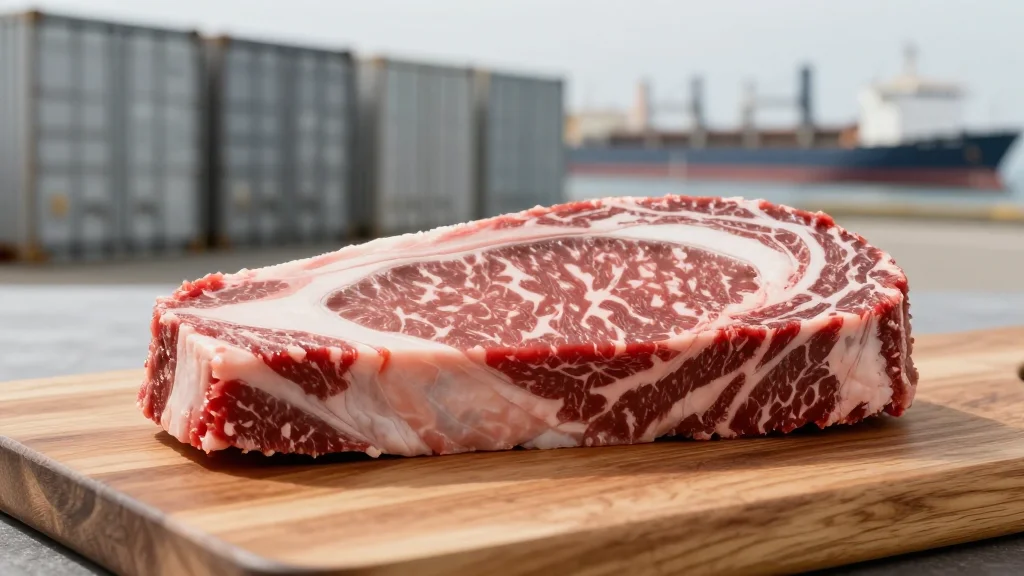
Canadian Cattle Association Warns Against Entering Mercosur Trade Deal
Why It Matters
If approved, the Mercosur deal could reshape Canada’s beef market, pressuring prices and standards for domestic producers while raising food‑security concerns.
Key Takeaways
- •CCA fears Mercosur deal will flood Canada with lower‑quality beef
- •Canada’s beef imports now 30% of consumption, highest since 1993
- •Deal could weaken labor, environmental, animal‑health standards domestically
- •Trade diversification may come at cost to Canadian ranchers
Pulse Analysis
Canada’s beef sector faces a pivotal moment as the government weighs a free‑trade pact with Mercosur, the South‑American bloc that includes Argentina, Brazil, Paraguay and Uruguay. While the agreement promises broader market access for Canadian exporters, the Canadian Cattle Association warns that it could also open the door to a surge of imported beef that does not meet Canada’s stringent animal‑health and food‑safety regulations. With imports already accounting for roughly 30% of domestic consumption—up from historic lows—the CCA argues that further liberalization may erode price stability for local ranchers and compromise the perceived quality of Canadian beef on both home and export markets.
The political backdrop adds complexity. Prime Minister Mark Carney’s strategy to reduce reliance on traditional trade partners aligns with a broader diversification agenda, yet critics see a paradox in swapping one set of dependencies for another. By courting Mercosur, Canada could become more vulnerable to supply‑chain shocks from regions prone to disease outbreaks or environmental challenges, potentially jeopardizing food‑security goals. Moreover, the EU’s parallel negotiations with Mercosur highlight a global shift toward larger, multilateral trade frameworks that could set new competitive benchmarks for producers worldwide.
For industry stakeholders, the stakes are clear: a Mercosur deal could reshape supply dynamics, influence consumer perception, and alter regulatory oversight. Ranchers may need to adapt by emphasizing premium, locally‑raised beef attributes, while policymakers must balance trade diversification with safeguards that protect domestic agriculture. As the debate unfolds, the CCA’s warning underscores the importance of aligning trade policy with the long‑term health of Canada’s cattle industry and its food‑security objectives.
Canadian Cattle Association warns against entering Mercosur trade deal
Comments
Want to join the conversation?
Loading comments...