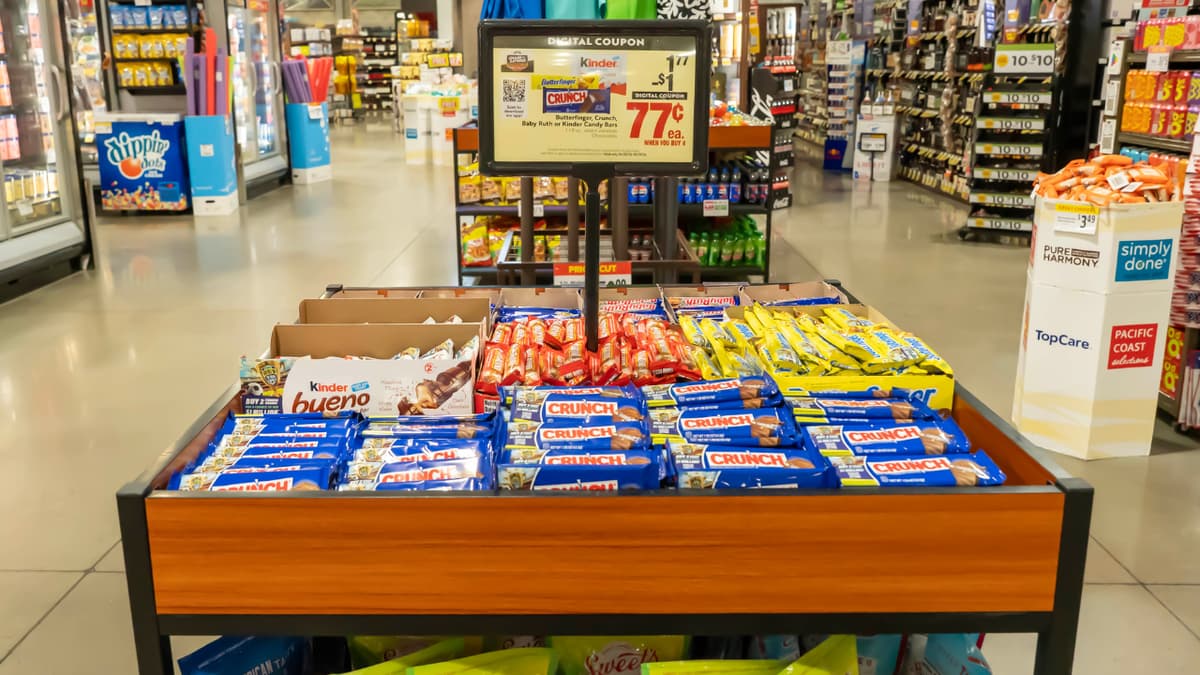
Candy Aisle Is Turning Bold and Experimental
Why It Matters
Retailers must adapt pricing, assortment, and marketing tactics to sustain growth in a high‑margin, health‑conscious confectionery market, while brands that nail innovation can capture premium spend.
Key Takeaways
- •U.S. confectionery sales reached $55 billion in 2025.
- •Impulse candy prices climbed from $1 to $2‑$3.
- •Swicy sweet‑spicy blends and pistachio flavors hit mainstream.
- •Better‑for‑you candy adds protein, fiber, gut‑health ingredients.
- •Retailers grow premium shelf space and larger take‑home packs.
Pulse Analysis
Candy remains a resilient grocery category, but price pressure from higher cocoa and ingredient costs is reshaping the impulse purchase dynamic. While overall dollar sales stay robust, unit movement has slowed as shoppers gravitate toward higher‑priced, premium treats. Retailers are responding by tightening value messaging, deploying digital promotions, and expanding larger, theater‑box formats that promise perceived value across multiple consumption occasions. This shift underscores the importance of price elasticity in a market where the average impulse candy now costs $2‑$3, up from the traditional $1 price point.
Innovation is the new driver of growth. 2026 trends highlight "swicy" sweet‑spicy pairings, pistachio‑infused chocolates, and dessert‑inspired flavors such as tiramisu and dulce de leche, all amplified by social‑media buzz. Texture experiments—freeze‑dried crunch, peelable layers, and multi‑sensory formats—are creating fresh shelf experiences. Simultaneously, health‑focused formulations featuring added protein, fiber, and gut‑health ingredients are gaining traction, reflecting consumers' desire for indulgence that aligns with wellness goals. Brands that blend bold taste with functional benefits are poised to capture both novelty seekers and health‑conscious buyers.
Retail strategies are evolving to accommodate these trends. Premium shelf space is expanding, with larger pack sizes and take‑home formats offering perceived value and gifting appeal. Omnichannel tactics, such as multi‑buy offers and targeted digital campaigns, replace traditional impulse triggers, encouraging intentional purchases. Seasonal periods—Valentine’s, Easter, Halloween, and the holidays—still account for over 60% of sales, but retailers are tightening assortments to focus on high‑performing innovations. Looking ahead, the category’s growth will depend on balancing price sensitivity, experiential flavor and texture, and the rising demand for cleaner, better‑for‑you confectionery.
Candy aisle is turning bold and experimental
Comments
Want to join the conversation?
Loading comments...