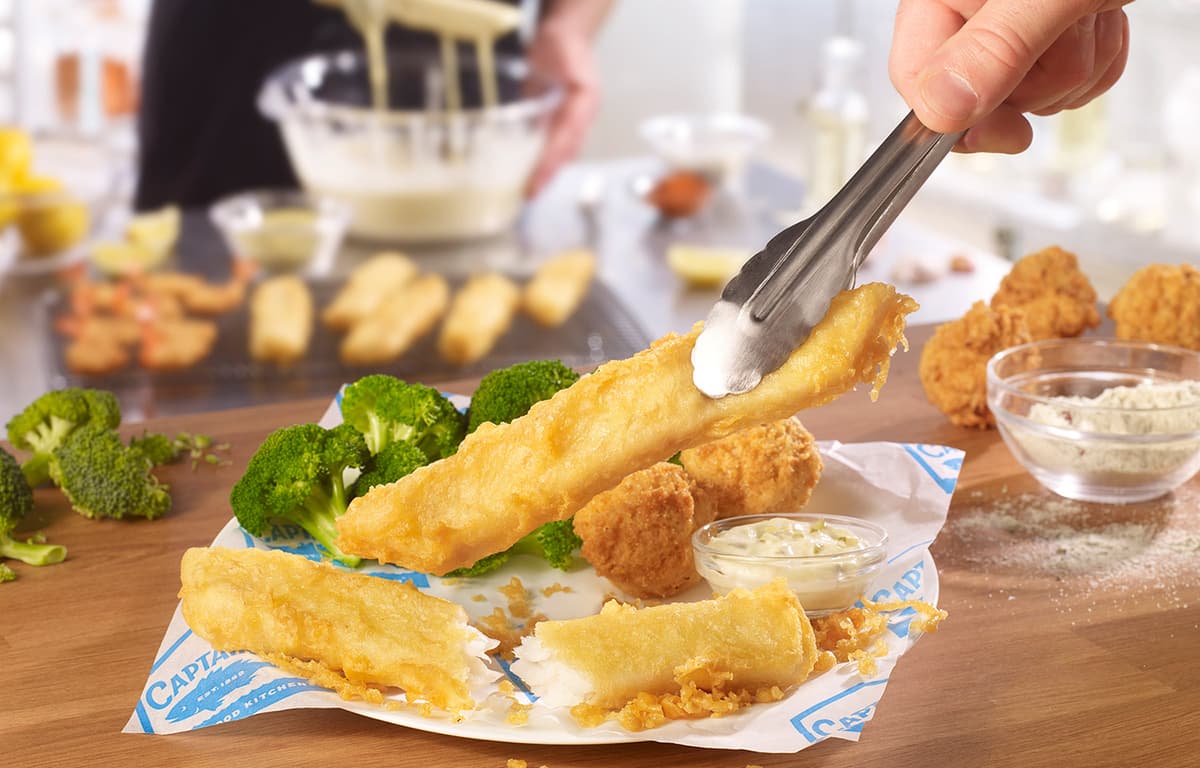
Captain D’s Commits to Alaskan Pollock Across Several Signature Menu Items
Companies Mentioned
Why It Matters
The shift enhances brand credibility by aligning with sustainability trends and may drive higher traffic and sales in a price‑sensitive market. It also showcases how scale can be leveraged to negotiate fair seafood pricing amid rising commodity costs.
Key Takeaways
- •Captain D’s adds wild‑caught Alaskan pollock to core menu items.
- •Partnership with Trident Seafoods and Channel Fish secures U.S. supply chain.
- •New fish meals priced at $5.99, targeting value‑seeking diners.
- •Sustainable sourcing addresses prior pangasius concerns and supports U.S. fishermen.
- •Volume buying helps mitigate rising pollock price pressure.
Pulse Analysis
Captain D’s decision to replace imported pollock and farmed whitefish with wild‑caught Alaskan pollock reflects a broader consumer shift toward transparency and sustainability in seafood. Research conducted by the chain revealed lingering doubts about the provenance of its previous offerings, especially pangasius, prompting a strategic pivot. By emphasizing responsibly sourced, U.S.-caught fish, the brand not only addresses environmental concerns but also taps into a growing demand for traceable protein, reinforcing its value proposition in the competitive fast‑casual space.
The partnership with Seattle‑based Trident Seafoods and Massachusetts‑based Channel Fish Processing secures a domestic supply chain that aligns with Captain D’s commitment to quality and price stability. Leveraging its purchasing volume, the chain negotiates fair pollock prices despite market pressure, enabling a $5.99 price point for batter‑dipped fish meals. This pricing strategy balances premium perception with affordability, appealing to cost‑conscious diners while supporting American fishermen and reinforcing the brand’s narrative of “premium seafood at an accessible price.”
Beyond the menu change, Captain D’s backs the launch with a multi‑channel marketing push, spanning TV, digital, social, and in‑store signage. Early indicators suggest sales are trending upward, as the company blends its core strengths—generous portions and variety—with the new sustainability story. For the broader restaurant industry, the move illustrates how scale can be used to secure ethical sourcing, mitigate commodity volatility, and differentiate a brand in an increasingly eco‑aware market.
Captain D’s commits to Alaskan pollock across several signature menu items
Comments
Want to join the conversation?
Loading comments...