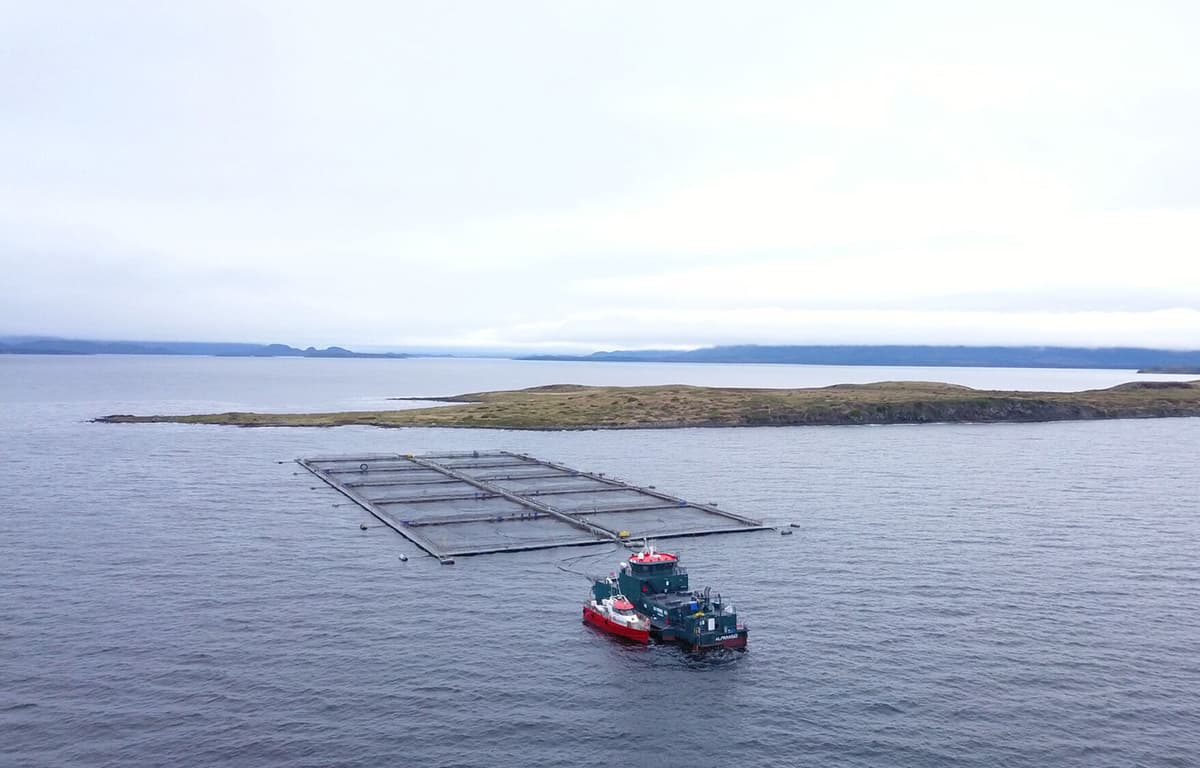
Chile Relaxes Regulation to Clear Path for Multitrophic Aquaculture at Salmon Farms
Why It Matters
By simplifying permits for integrated multitrophic systems, Chile reduces regulatory friction and unlocks greener, more efficient salmon production, positioning the country as a leader in sustainable aquaculture.
Key Takeaways
- •Subpesca will permit macroalgae on salmon farms without concession changes
- •Multitrophic aquaculture reduces waste by using salmon nutrients for algae growth
- •New rule aligns with Chile’s 2025 Framework Law simplifying regulations
- •Macroalgae can absorb nitrogen, phosphorus, and CO2, boosting biodiversity
- •SalmonChile welcomes the change as a boost for sustainable expansion
Pulse Analysis
Chile’s salmon industry, responsible for roughly 30% of global production, has long grappled with environmental scrutiny and complex licensing. The recent regulatory tweak by Subpesca reflects a broader governmental push to modernize the sector’s approval processes, echoing the 2025 Framework Law that aims to cut red tape and attract investment. By treating macroalgae cultivation as a complementary activity rather than a separate concession, the state signals confidence in the industry’s ability to self‑regulate and meet international sustainability standards.
Multitrophic aquaculture, which pairs salmon with macroalgae, creates a closed‑loop ecosystem where fish waste fuels algal growth. This symbiosis not only curtails nutrient discharge but also captures carbon dioxide and releases oxygen, delivering measurable climate benefits. Scientific studies cited by Subpesca show significant reductions in nitrogen and phosphorus levels, while the algae structures provide habitat for marine life, enhancing biodiversity. For producers, the low‑intensity nature of seaweed farms means minimal additional capital outlay, making the model economically attractive alongside its environmental upside.
For investors and global buyers, the policy shift reduces uncertainty around Chile’s compliance with emerging ESG criteria. Simplified permits lower operational costs and accelerate project timelines, potentially expanding Chile’s export capacity while meeting stricter import standards in Europe and North America. However, scaling the model will require robust monitoring to ensure algae yields meet projected nutrient absorption rates. If successfully implemented, Chile could set a benchmark for integrated aquaculture, prompting other major producers to adopt similar frameworks.
Chile relaxes regulation to clear path for multitrophic aquaculture at salmon farms
Comments
Want to join the conversation?
Loading comments...