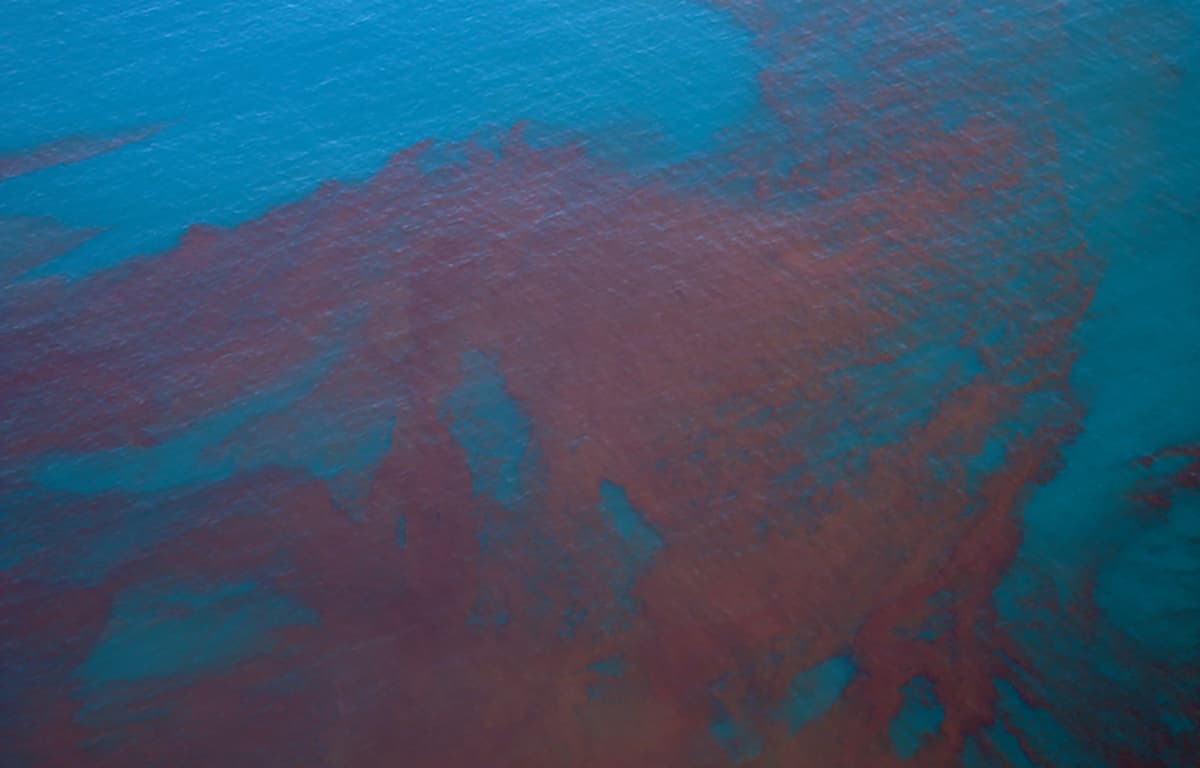
Chilean Authorities Meet with Salmon Sector to Coordinate Algal Bloom Response
Why It Matters
The bloom threatens Chile’s flagship salmon industry, a multi‑billion‑dollar export sector, making coordinated mitigation essential to protect production and revenue.
Key Takeaways
- •Heterosigma akashiwo bloom hits 11 salmon farms in Reloncaví Sound.
- •Sernapesca convenes aquaculture, navy, Subpesca to coordinate response.
- •Preventive actions include fish transfers and extended holding at collection centers.
- •El Niño intensification may trigger more algal events this year.
- •Chile’s salmon exports rise 14% to 982,840 MT, $6.55 B in 2025.
Pulse Analysis
Chile’s recent encounter with Heterosigma akashiwo underscores a growing vulnerability in the country’s aquaculture sector. The golden‑brown microalga depletes dissolved oxygen, leading to suffocation and gill damage in salmon, though it poses no risk to humans. Scientists link the bloom’s timing to warming sea temperatures and anticipate that an intensified El Niño pattern could exacerbate such events, echoing past disruptions that have crippled production cycles across the Los Lagos region.
In response, Sernapesca has mobilized a multi‑agency task force that includes the Chilean Navy’s Dirinmar and the Undersecretariat of Fisheries and Aquaculture (Subpesca). The coalition is standardizing contingency protocols, authorizing rapid fish transfers between farms, and extending holding periods at collection centers to reduce mortality spikes. By formalizing communication channels and sharing real‑time water quality data, the agencies aim to curtail losses and provide a clear escalation pathway for affected operators.
Economically, the salmon industry remains a linchpin of Chile’s export portfolio, delivering $6.55 billion in 2025 despite the ecological setbacks. The 14% volume increase to nearly one million metric tons signals resilience, yet future profitability hinges on the sector’s ability to pre‑empt and manage bloom outbreaks. Investors and policymakers are watching closely, as repeated algal events could pressure margins, trigger insurance premium hikes, and prompt stricter environmental regulations. Proactive coordination now may safeguard both the industry’s growth trajectory and Chile’s standing as the world’s second‑largest salmon exporter.
Chilean authorities meet with salmon sector to coordinate algal bloom response
Comments
Want to join the conversation?
Loading comments...