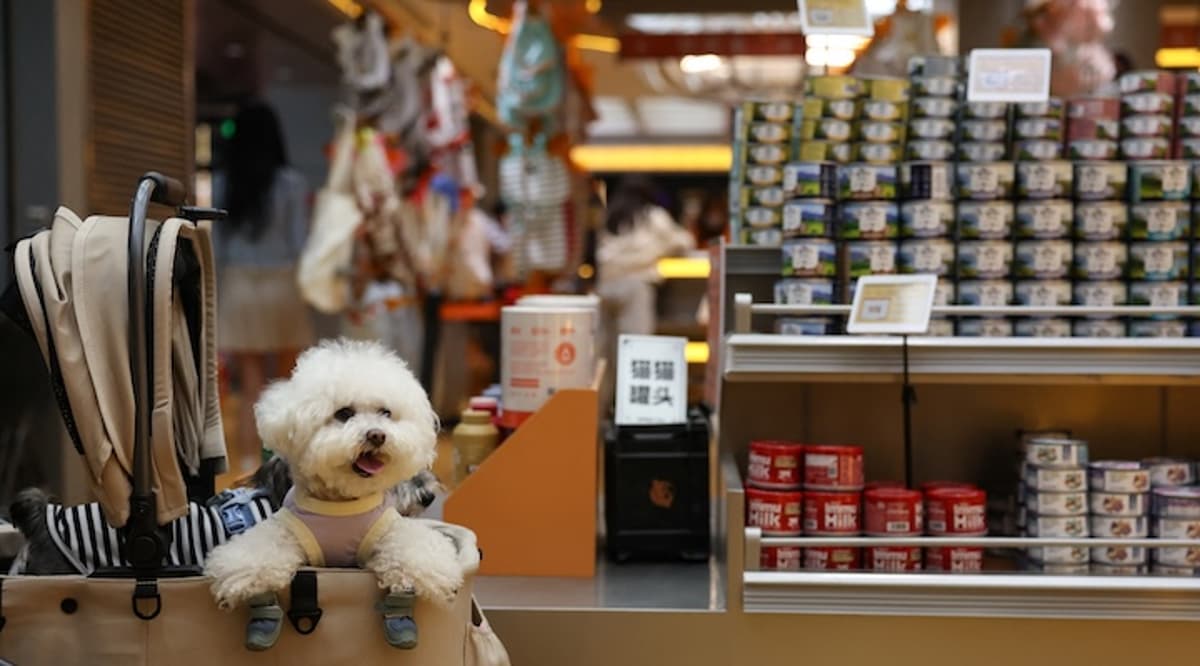
China’s Pet Food Market Heats up as Local Brands Take on Global Giants
Why It Matters
The shift to home‑grown pet food reshapes China’s consumer landscape, offering domestic firms a high‑growth revenue stream while pressuring global manufacturers to adapt or exit. It also highlights regulatory gaps that could affect product safety and investor confidence.
Key Takeaways
- •Chinese pet food market grew sixfold from 2014 to 2024, now $24B.
- •Domestic firms like Moutai, WH Group, Mengniu entering pet food space.
- •International brands lose share; Blue Buffalo exits, Animonda sales down 30%.
- •Royal Canin retains lead by localizing production and expanding distribution.
Pulse Analysis
Pet ownership in China has become a cultural touchstone, with urban families treating dogs and cats as extensions of the household. This emotional bond has driven a rapid expansion of the pet‑food segment, which now exceeds $24 billion and grew sixfold in a decade. Consumers are increasingly price‑sensitive, favoring domestic products that promise freshness and variety, while the rise of e‑commerce platforms like Douyin amplifies brand visibility and accelerates purchase cycles.
The boom has attracted a wave of non‑traditional players. Liquor giant Kweichow Moutai is repurposing fermentation by‑products into protein‑rich pet meals, while pork powerhouse WH Group and dairy leaders Mengniu and Yili have either invested in or launched their own pet‑food lines. These firms leverage existing supply chains, scale, and branding expertise to capture market share quickly. However, the industry remains loosely regulated, classified under livestock feed guidelines, which raises concerns about quality control and consumer safety—a gap that could invite stricter oversight as the sector matures.
For foreign manufacturers, the landscape is a mix of challenge and opportunity. Brands like Blue Buffalo have exited, and German maker Animonda reported a 30% sales decline, underscoring the difficulty of competing on price and local relevance. Conversely, Mars’ Royal Canin demonstrates that a localized production strategy, coupled with veterinary education and distribution investments, can sustain leadership. As Chinese pet owners continue to spend on premium, protein‑rich diets, multinational firms will need to deepen localization, navigate emerging regulations, and possibly partner with domestic players to stay competitive.
China’s pet food market heats up as local brands take on global giants
Comments
Want to join the conversation?
Loading comments...