Climate-Smart & Cocoa-Free: Mars Makes Moves to Decarbonise Chocolate Portfolio
Why It Matters
Decarbonising both the product and the supply chain helps Mars mitigate climate risk and meet rising consumer demand for sustainable confectionery, setting a benchmark for the broader chocolate industry.
Key Takeaways
- •Mars launches cocoa‑free Balisto trail mix in German REWE stores
- •ChoViva replaces cocoa using fermented sunflower and grape seed base
- •Mars partners with Pairwise CRISPR to create climate‑resilient cacao
- •Five‑year Olam deal will train 960 Ecuadorian cocoa farmers
- •Planet A Foods scaled production to 15,000 tonnes annually in Czech Republic
Pulse Analysis
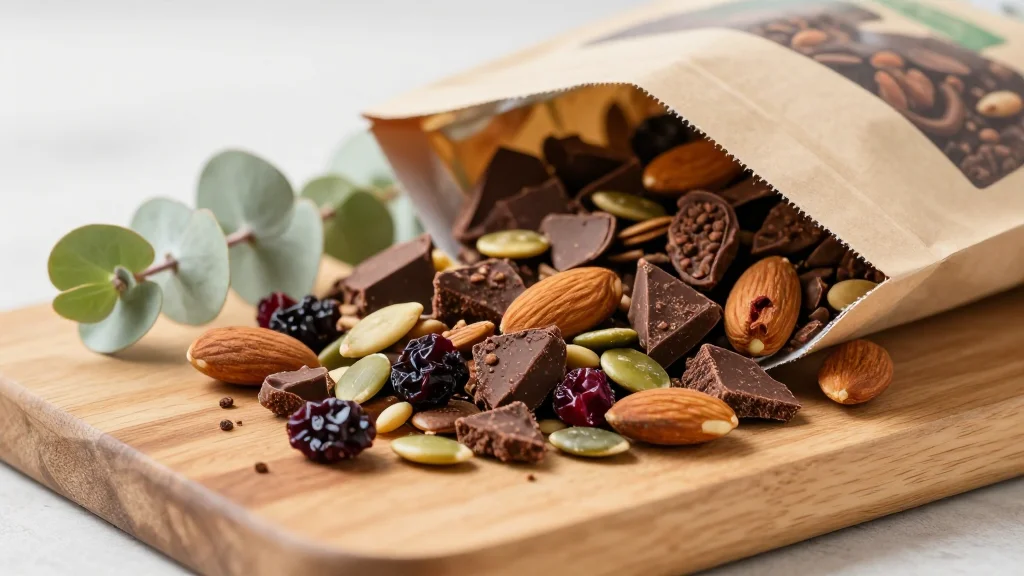
The introduction of ChoViva‑based, cocoa‑free chocolate marks a turning point for mainstream confectioners. By leveraging fermented sunflower and grape seed proteins, Planet A Foods creates a chocolate analog that mimics flavor and texture while eliminating the carbon‑intensive cocoa bean. Mars’ limited‑run Balisto trail mix, stocked in REWE stores, offers 14 g of protein per 100 g and serves as a real‑world test of consumer appetite for bean‑free snacks. Early shelf performance and social media buzz suggest that sustainability can coexist with taste, encouraging other big brands to explore similar formulations.
Beyond product innovation, Mars is tackling the root cause of chocolate’s climate footprint: cocoa farming. The company’s collaboration with Pairwise employs CRISPR gene‑editing to develop disease‑resistant, drought‑tolerant cacao varieties, potentially safeguarding yields in West Africa’s volatile climate. In Ecuador, a five‑year partnership with Olam will equip more than 960 farmers with regenerative practices—cover cropping, biochar, and low‑carbon fertilisers—to boost soil health, sequester carbon, and improve resilience. These agronomic upgrades aim to lower emissions across the supply chain, aligning Mars with Science‑Based Targets and reinforcing its net‑zero commitments.
Mars’ dual strategy of product substitution and supply‑chain decarbonisation signals a broader industry shift. As consumers increasingly scrutinize the environmental impact of their treats, large chocolate makers are compelled to diversify ingredients and invest in climate‑smart agriculture. The scaling of ChoViva production to over 15,000 tonnes annually in the Czech Republic demonstrates that alternative chocolate can meet mass‑market volumes. If Mars can prove taste parity and cost competitiveness, the cocoa‑free model may accelerate, reshaping sourcing dynamics and reducing pressure on tropical forests worldwide.
Climate-Smart & Cocoa-Free: Mars Makes Moves to Decarbonise Chocolate Portfolio
Comments
Want to join the conversation?
Loading comments...