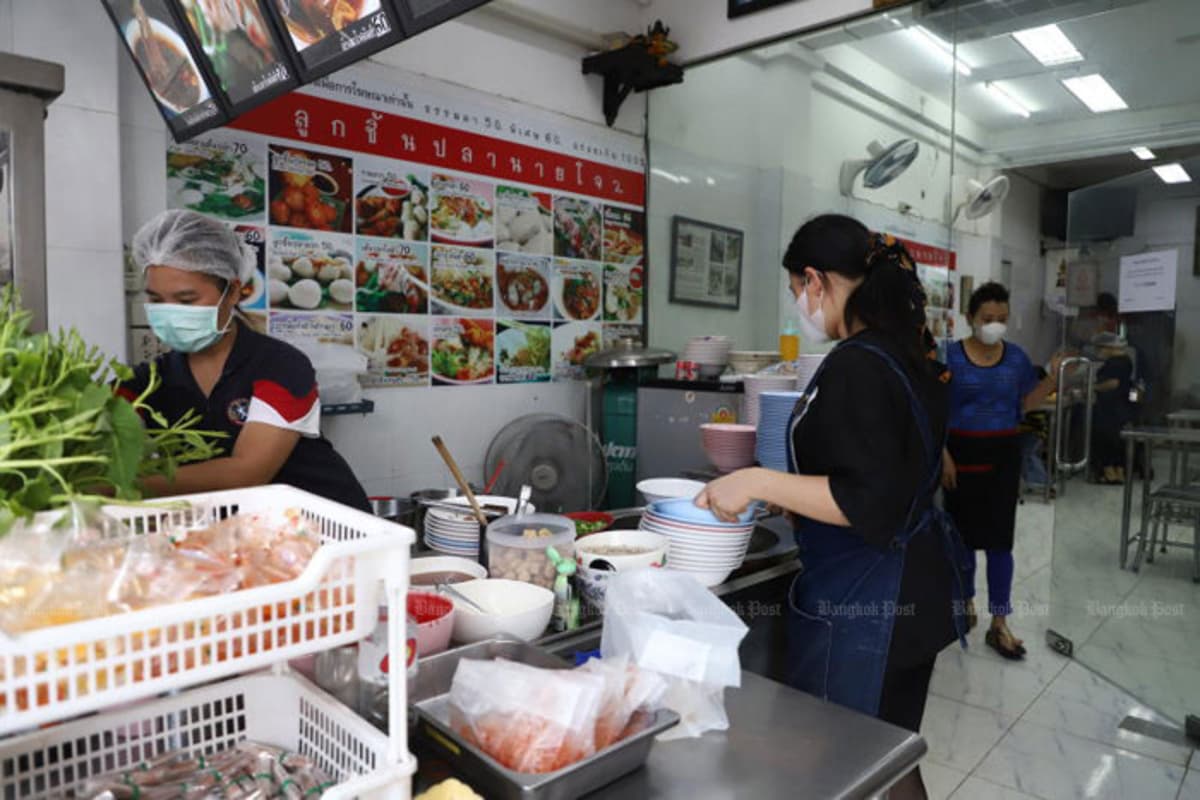
Co-Pay Unlikely to Help Big Eateries
Why It Matters
Mid‑sized and large eateries represent the bulk of Thailand’s dining‑out revenue, so their exclusion risks deeper industry contraction and job losses. Targeted policy tweaks could stabilize the sector and protect tourism‑linked growth.
Key Takeaways
- •Co‑pay caps at $5.7 daily, $28.6 monthly
- •Eligibility limited to firms under $51,400 revenue
- •Mid‑size restaurants face sales below seasonal norm
- •Energy and logistics costs erode profit margins
- •Association calls for tax cuts, lower social security contributions
Pulse Analysis
Thailand’s restaurant landscape is entering a low‑season slump, with consumers tightening discretionary spend and favoring smaller eateries. To cushion the hit, the government launched the Thai Chuay Thai Plus stimulus, covering 60 % of daily operating costs up to 200 baht ($5.7) per day and 1,000 baht ($28.6) per month. While the scheme appears generous on paper, its eligibility criteria—restricted to non‑legal entities and legal firms earning less than 1.8 million baht (about $51,400) annually—effectively bar the mid‑sized to large restaurant chains that dominate the market. Consequently, a sizable portion of the sector remains exposed to the current downturn.
The exclusion matters because larger operators shoulder the bulk of employment and supply‑chain demand. With sales dipping below typical seasonal levels, many have resorted to temporary closures and staff layoffs. Rising energy prices further inflate logistics and raw‑material costs, squeezing margins already pressured by food‑delivery platforms that are passing higher driver expenses onto restaurants. Without direct fiscal relief, these operators risk liquidity crunches that could ripple through Thailand’s broader tourism‑driven economy.
Industry leaders are urging the government to broaden support beyond the narrow co‑pay framework. Proposals include capping employer social‑security contributions, offering targeted tax reductions, and facilitating bulk‑ingredient procurement to tame price volatility. Complementary measures such as low‑cost venue rentals and government‑backed food festivals could generate ancillary revenue streams. If policymakers act, the sector could stabilize, preserving jobs and maintaining the dining‑out ecosystem that underpins Thailand’s tourism recovery.
Co-pay unlikely to help big eateries
Comments
Want to join the conversation?
Loading comments...