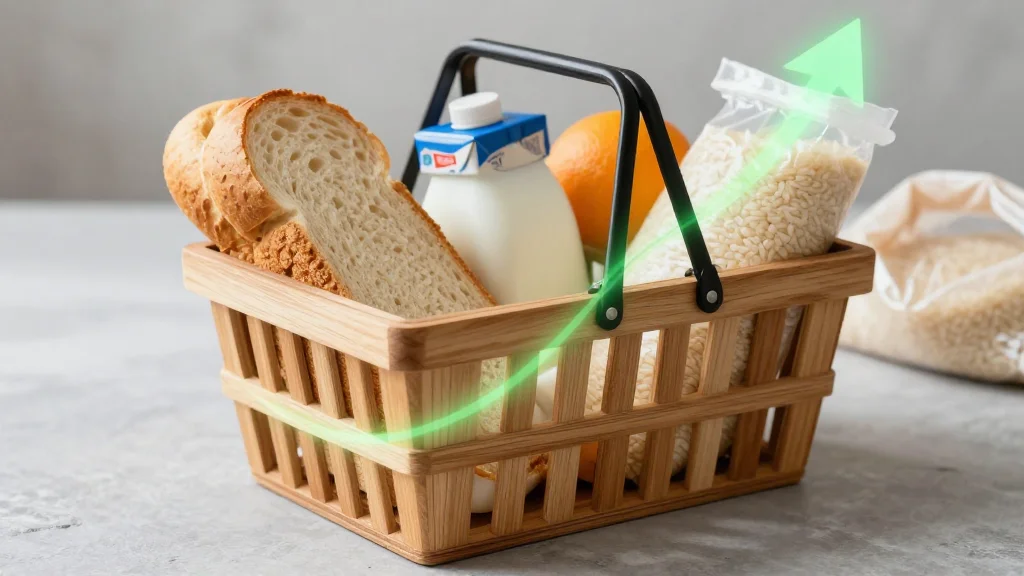
Coles and Woolies Need to Eat some of the Food Price Rise Pain
Why It Matters
Rising food inflation tests the profit margins of Coles and Woolworths while eroding consumer trust, reshaping the competitive dynamics of Australia’s grocery sector.
Key Takeaways
- •Food inflation forecast at 4% annually, up from 3% baseline
- •Coles and Woolworths face court case over alleged fake discounts
- •Analysts expect modest profit lift, not a bumper gain
- •Aldi positioned to capture price‑sensitive shoppers
- •Supermarkets may absorb cost to rebuild brand trust
Pulse Analysis
The Iran war’s ripple effects extend far beyond the Middle East, inflating global diesel and fertilizer prices that underpin Australia’s food supply chain. Higher transport costs raise the price of fresh produce, dairy and bakery items, forcing grocery retailers to reassess pricing strategies. For Coles and Woolworths, the cost pass‑through is inevitable, but the magnitude will be shaped by how quickly logistics bottlenecks ease and whether alternative sourcing can offset input spikes.
In the upcoming quarterly reports, investors will scrutinize whether the 4% food‑inflation forecast translates into meaningful earnings growth. Both chains are under a microscope after the Australian Competition and Consumer Commission sued them for misleading discount promotions, a case that has already dented brand perception. Analysts suggest that, despite a potential uptick in sales volumes, the heightened regulatory environment and the need to restore consumer confidence will likely limit margin expansion, delivering only a modest profit bump rather than a windfall.
The competitive landscape adds another layer of pressure. Aldi’s low‑price model is resonating with shoppers tightening their budgets, and the discount grocer is poised to capture market share as inflation squeezes household spending. Coles and Woolworths may need to balance price adjustments with value‑focused initiatives to retain loyalty. Over the longer term, shareholders should expect the supermarkets to absorb part of the inflationary shock, using it as an opportunity to rebuild trust while navigating a more price‑sensitive market.
Coles and Woolies need to eat some of the food price rise pain
Comments
Want to join the conversation?
Loading comments...